What to Fix Blown Head Gasket: A Complete DIY Guide
Learn how to identify, diagnose, and repair a blown head gasket with a practical, safety-first approach for DIY enthusiasts and homeowners.


If you suspect a blown head gasket, this guide helps you understand what to fix blown head gasket, what symptoms to verify, and how to plan repairs safely. You’ll learn the major diagnostic steps, when to DIY versus hire a pro, and what to expect in terms of tools, materials, and time. By the end you’ll know the key decisions and actions to take next.
What a blown head gasket is and why it happens
A blown head gasket occurs when the gasket sealing the cylinder head to the engine block fails. This breach can let compression leak into cooling passages or oil passages, and it may allow coolant to enter the combustion chamber or oil to contaminate the coolant. Excess heat, pressure spikes, overheating, poor maintenance, or mileage wear are common contributors. According to Gasketed, most failures stem from long-term heat exposure and metal fatigue rather than a single event, so understanding the failure mechanism helps you plan a durable fix. If you’re evaluating options, you’re not alone: many homeowners face this issue after years of use, especially in engines with higher mileage or aggressive driving patterns. The core purpose of this guide is to translate that knowledge into clear, actionable steps you can take to protect your engine and wallet.
In practical terms, what to fix blown head gasket means assessing the scope of the repair, the health of the head and block surfaces, and whether you can realistically complete the job with common tools in a home workshop. It also means setting expectations: even a straightforward gasket replacement can reveal other problems such as warped heads or damaged cylinders. By understanding the failure pathway, you’ll know what to inspect, what parts to replace, and how to avoid repeating the failure in the future.
Visual cues and early-warning signs to watch for
Identifying a blown head gasket early saves time and reduces damage. Look for diagnostic indicators that show abnormal cross-communication between systems:
- White smoke from the exhaust, especially after startup, signaling coolant entering the combustion chamber.
- Milky, frothy oil or oil in the radiator, suggesting coolant-oil mixing.
- Pockets of air or bubbles in the coolant reservoir during engine warm-up.
- Overheating without a clear radiator malfunction and coolant loss.
- Loss of power or frequent misfires that don’t align with ignition issues.
- Bubble formation in the coolant under pressure testing.
Keep in mind that some symptoms overlap with other problems, so confirmation through tests is essential. The goal is to differentiate head-gasket failure from intake manifold or cooling-system issues, which can mimic symptoms without a gasket breach. When in doubt, start with non-destructive tests before disassembling major components.
How to approach diagnosis safely and systematically
A methodical approach reduces risk and helps you decide whether a DIY gasket replacement is feasible. Start with non-invasive checks and progress to more definitive tests:
- Check fluid levels and inspect oil and coolant for contamination. Oil on coolant or vice versa is a red flag.
- Pressure-test the cooling system to see if the radiator cap or hoses show external leaks, and to detect internal leakage patterns.
- Conduct a compression test across cylinders to identify loss of compression that might indicate a gasket breach.
- Perform a leak-down test to locate the approximate location of leakage and confirm cross-contamination between chambers.
- Inspect the head and deck surfaces for warping using a straight edge and feeler gauges, and review torque history if reassembly becomes necessary.
If tests indicate a gasket failure, prepare for one of two paths: a gasket-only replacement or a more comprehensive head work, depending on surface condition and whether valves, guides, or cams are affected. This decision shapes the tools, time, and cost involved.
Planning the repair: choosing between DIY and a shop, and what to buy
A blown head gasket repair can be tackled by a skilled DIYer, but it demands careful planning. Consider surface condition, bolt stretch, head warpage, and the availability of re-torque or re-use of bolts. When deciding to DIY, map out the project scope:
- Confirm you have the torque wrench, service manual torque specs, and a clean, organized workspace.
- Decide whether you will perform what’s often called a gasket replacement with a head gasket set, or whether you’ll also replace the head bolts and inspect related components.
- Budget for potential extra parts: cooling system components, thermostat, intake/exhaust gaskets, and sealants compatible with your engine design.
If the timing is tight or you lack a proper cleanroom workspace, or if the head shows distortion, opting for a professional shop can prevent costly mistakes. Regardless of path, plan for a clean reassembly, correct gasket orientation, and thorough test after start-up.
What to expect from a repair plan and next steps
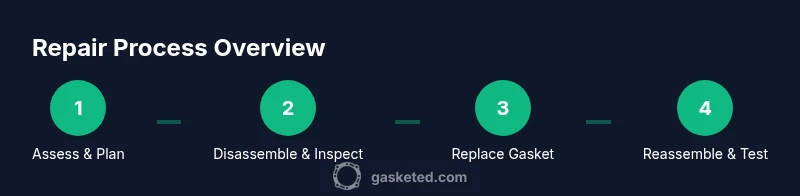
A well-structured repair plan minimizes rework and ensures reliability. After you decide on the path, create a step-by-step sequence that keeps parts organized and documents torque specs, gasket orientation, and cleaning procedures. Have a contingency plan for setbacks like discovering a warped head, stuck bolts, or cooling-system leaks.
Finally, follow a careful post-repair testing protocol. Refill coolant and oil to the correct levels, perform a leak test, and run the engine at operating temperature with a controlled cool-down cycle. Document any anomalies during the test run and be prepared to re-check the system if the temperature or pressure readings deviate from the expected range.
Maintenance and prevention to extend gasket life
Prevention starts with good maintenance habits. Regular coolant changes with manufacturer-approved products, proper thermostat operation, and keeping the cooling system free of obstructions can help. Use quality sealants and gasket materials appropriate for your engine design, and follow torque specs precisely to avoid bolt fatigue. Regular oil changes and addressing overheating promptly can prevent the gasket from sustaining repeated heat cycles. Finally, monitor for early signs like minor coolant loss or unexplained pressure changes, and address them before they escalate into a full gasket failure.
Tools & Materials
- Socket set with metric and SAE sizes(Deep sockets for restricted areas)
- Torque wrench(Beam or digital, with engine-torque specs handy)
- Feeler gauges(For head gasket and valve clearance checks)
- Economic straight-edge ruler or machinist's square(To check head surface warpage)
- Primer tools for gasket sealant (if used)(As required by gasket kit instructions)
- Coolant and engine oil, compatible with your engine(For refilling on reassembly)
- Gasket set (head gasket) and head bolts if specified(New head bolts often advised to refresh bolts)
- Gasket scraper and cleaning brushes(Clean surfaces thoroughly before reinstall)
- Torque-angle gauge or recentering device(Only if your torque spec requires angle tightening)
- Shop rags, sealant remover, and degreaser(Keep workspace clean to prevent contamination)
- Safety gear (gloves, eye protection)(Personal protection is essential)
- Car jack stands and a stable work surface(For safe engine access)
Steps
Estimated time: 2-5 hours
- 1
Prepare workspace and safety checks
Park the vehicle on a flat surface, engage parking brake, disconnect the battery, and drain coolant where necessary. Organize parts in labeled containers to prevent misplacement during disassembly.
Tip: Label hoses and wires as you disconnect them to simplify reassembly. - 2
Drain fluids and remove superficial components
Carefully drain engine oil and coolant into appropriate containers. Remove the intake manifold, hoses, and other components that block access to the head.
Tip: Keep a schematic or photo record to guide reinstallation. - 3
Inspect for surface warpage and plan gasket replacement
Use a straight edge to assess the head and block surfaces for warping. If warpage is beyond manufacturer tolerance, plan for machine shop resurfacing before reinstalling a new gasket.
Tip: If you need to resurface, factor in lead times and costs. - 4
Remove the cylinder head and inspect internals
Loosen head bolts in the proper sequence and remove the head. Inspect the valves, seats, and valve springs for damage or wear that could affect seal integrity.
Tip: Do not reuse old head bolts unless the service manual allows; most engines require new bolts. - 5
Clean surfaces and prepare gasket surfaces
Scrape old gasket material without gouging the mating surfaces. Clean mating surfaces with a degreaser and lint-free cloth, ensuring no debris remains.
Tip: A clean surface is critical for a reliable seal and to prevent leaks. - 6
Install the new head gasket and torque sequence
Place the new gasket in orientation as specified by the factory manual. Install head bolts in the exact sequence and torque to spec, then apply final angle tightening if required.
Tip: Follow the torque specs precisely; improper torque is a common gasket failure cause. - 7
Reassemble components and refill fluids
Reinstall the intake/exhaust components, connect wiring and hoses, re-fill engine oil and coolant to recommended levels.
Tip: Bleed cooling system if necessary to remove air pockets. - 8
Perform initial start and leak tests
Crank the engine with ignition disabled to prime oil, then start smoothly and monitor for leaks. Check for coolant/oil contamination after a short idle.
Tip: If you see white steam or puddles, shut down and re-check the gasket seating. - 9
Test drive and final inspections
Drive at light loads to warm up, monitor temperature, check for leaks, and recheck fluids after a brief drive. If all looks good, perform another cooling system pressure test.
Tip: Document readings for future maintenance and refer to the service manual for any remnant issues.
Common Questions
What are the most common signs of a blown head gasket?
Common signs include white smoke from the exhaust, milky oil, coolant loss with contamination, overheating, and unexplained compression loss. These indicators should be confirmed with tests like a pressure or leak-down test.
Look for white exhaust smoke, milky oil, and overheating. If these appear, run the specified tests to confirm a gasket issue.
Can I drive a car with a suspected blown head gasket?
Driving a car with a suspected blown head gasket risks catastrophic engine damage. If you detect signs, stop driving and have the vehicle inspected or towed to a repair location.
If you suspect a blown gasket, don’t drive far; get it checked to prevent further damage.
Should all head bolts be replaced during repair?
In many engines, replacing head bolts is advised to ensure the seal remains tight under thermal cycling. Check the service manual for bolt specifications and re-torque guidance.
Often you should install new bolts; follow the manual for torque and re-torque steps.
How long does a typical head gasket repair take?
A typical repair can range from a few hours to a full day depending on engine design, tooling, and surface condition. Plan for potential follow-up checks or machining if needed.
Most repairs take several hours, with possible extra time for head resurfacing.
Is head gasket replacement necessary after overheating?
Overheating often damages the head or gasket beyond simple replacement. A thorough inspection is required to confirm whether resurfacing or replacement of additional components is needed.
Overheating can cause more than the gasket to fail; inspect the head and related parts.
What maintenance reduces future gasket failures?
Regular coolant maintenance, proper cooling-system operation, and using the correct gasket materials reduce the risk of future failures. Address overheating promptly and monitor for early signs.
Keep up with coolant maintenance and watch for overheating to prevent future issues.
Watch Video
Key Takeaways
- Identify the signs early to prevent engine damage
- Plan a path: DIY gasket kit or professional service
- Follow exact torque specs and clean surfaces thoroughly
- Check head warp before reassembly
- Test thoroughly after start-up