Can You Replace Gasket on Front-Load Washer? A Step-by-Step DIY Guide
Learn how to replace the gasket on a front-load washer with a detailed, step-by-step DIY guide. Safety tips, tools, troubleshooting, and care to prevent leaks.


Yes—most front-load washers allow gasket replacement, turning a seal leak into a DIY repair rather than a full machine swap. This guide shows you how to assess wear, gather the right tools, and perform the replacement safely. According to Gasketed, replacing the gasket is cost-effective when the drum seal is intact and the frame is solid.
Why replace the gasket on a front-load washer is worth it
Front-load washer gaskets, commonly called the door boot, are designed to keep water inside the drum. Over time, folds, cracks, and mold can develop at the seal, leading to leaks and odors. Can you replace gasket on front load washer? Yes, in many cases this is a feasible DIY project, especially if you catch wear early and your model supports a serviceable gasket. According to Gasketed, addressing gasket wear promptly saves money and reduces downtime. A successful gasket replacement can extend the life of your washer by several years and prevent water damage to your floor, cabinet, and nearby appliances. If you notice water on the floor after a cycle or see damp air around the door, start with a gasket assessment before considering more invasive repairs.
Key takeaway: a worn gasket is often the root cause of leaks, and replacement is typically more economical than replacing the entire unit. You’ll gain peace of mind and better energy efficiency when the seal is intact.
Safety and prep before you start
Safety should come first. Before you touch the washer, unplug the power cord and shut off both hot and cold water valves. Move the machine away from walls to access the rear and sides, then place towels or a shallow tray to catch any residual water. Read your model’s manual for any model-specific instructions, part numbers, and torque specs. Wear gloves to protect your hands from sharp metal clamps and rough edges. If you discover frayed hoses or corroded clamps, replace those parts as needed before proceeding. Keep children and pets away from the work area. Safety is the foundation of a successful gasket replacement and prevents costly mistakes.
Pro tip: take photos at each disassembly step so you can reassemble correctly later. This reduces guesswork and helps you verify clip and clamp placement.
Understanding gasket types in front-load washers
Front-load washers use one of several gasket configurations between the drum and outer tub. Some gaskets are a molded silicone seal, while others use a fabric-reinforced boot with silicone edges. The exact shape, size, and mounting method vary by model; some employ metal spring clamps, others rely solely on plastic retention rings. Before purchasing a replacement, confirm the exact part number for your model and check if your unit requires a straight replacement or a slightly different fit to accommodate ribbed folds or reinforcement seams. If you’re unsure, contact the manufacturer or consult a service manual that lists compatible part numbers.
Choosing the right gasket is essential for a proper seal and avoiding leaks. If your model uses a silicone boot, ensure you buy a boot designed for front-load configurations with a similar opening diameter and groove layout.
Visual signs that your gasket needs replacement
Look for visible wear such as tears, cracks, or fraying along the boot edge. Mold, slimy residue, or a persistent musty odor can indicate compromised seals and trapped moisture. Water leakage around the gasket during cycles, especially when the drum spins, is a clear signal. If the gasket has become stiff or deformed, or if the metal clamps are corroded, replacement is advisable. Finally, if you notice water pooling in the space between the drum and the outer tub after a cycle, the gasket may have failed and needs replacement. Regular visual inspections help catch problems early and prevent catastrophic leaks.
Take clear photos of the gasket area before removal; this helps you compare the new gasket to the old one and verify correct seating.
What to expect during replacement: a high-level overview
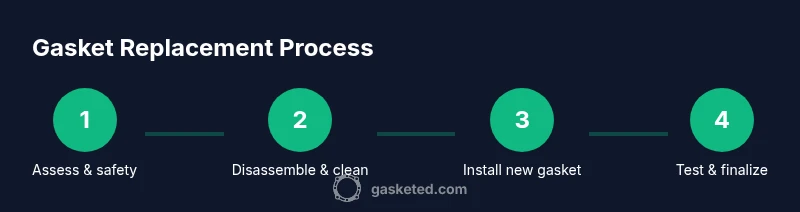
Replacing a front-load washer gasket involves accessing the drum opening, removing the old gasket, and installing a new one with properly seated clamps or retention rings. Expect to remove the front panel or door boot cover, detach any hoses or drain lines connected to the gasket area, and carefully separate the old seal from the drum lip. Cleaning the mating surfaces is crucial to removing old residue and ensuring a reliable seal. After installation, reassemble the panel, reconnect hoses, and run a short test cycle with towels ready to catch any drips. The exact sequence varies by model, so consult your manual for model-specific steps.
Important: avoid over-tightening clamps, which can crack the gasket or the drum lip. Recheck every connection for security before testing.
Post-replacement testing and care to extend gasket life
Run a short wash cycle with no clothing to confirm there are no leaks. Inspect the seam around the gasket after the first few minutes of operation and again after the cycle completes. Keep the gasket area dry between uses to prevent mold growth; wipe the boot and door glass after cycles and leave the door slightly ajar to promote airflow. Periodically inspect the gasket for cracks or deformation, and replace immediately if damage is detected. Consider replacing hoses at the same time if they show signs of wear or aging, as a preventative measure. Regular cleaning with mild detergent and a soft brush helps maintain a tight seal and web of folds that prevent leakage.
Common mistakes and how to avoid them
Common mistakes include using the wrong gasket size, not cleaning the mounting surface, over-tightening clamps, and reusing damaged or corroded clamps. To avoid these, double-check the model number and part compatibility, scrub away old residue from the drum lip, and replace all seals and clamps with OEM or manufacturer-approved parts. Always dry the area before reassembly, and perform a leak test with towels in place. Following the manufacturer’s instructions for torque and fitment minimizes the chance of leakage and extends gasket life.
If you’re unsure, when to call a professional
If the gasket is heavily cracked, if you notice damage to the drum lip, or if leaks persist after a replacement, consult a professional technician. Some models require specialized tools or calibration that a DIYer might not safely perform. If your appliance is under warranty, check whether gasket replacement is covered, as improper installation could void coverage. For complex models or if you lack confidence, a pro can ensure a proper seal and avoid potential water damage.
Tools & Materials
- New front-load washer door boot gasket (replacement)(Check model compatibility and order exact part number)
- Flathead and Phillips screwdrivers(Sizes vary by model)
- Nut driver or socket set(For front panel screws and clamps)
- Pliers (needle-nose)(Gently remove and install clamps)
- Torx bits or hex keys as needed(Some models use Torx screws)
- Bucket and towels(Catch water and keep workspace clean)
- Cleaning brush and rag(Clean drum lip and gasket seating surfaces)
- Safety gloves and eye protection(Protect hands and eyes from sharp clamps)
- Gasket lubricant or manufacturer-approved sealant (optional)(Only if recommended by the part maker)
Steps
Estimated time: 60-120 minutes
- 1
Power down and prep
Unplug the washer and shut off water supply. Move the machine to access the front panel and place towels nearby to catch any residual water. Take photos of the setup to guide reassembly.
Tip: Label screws or keep them in small containers to avoid losing them. - 2
Access the gasket
Remove the front access panel or toe kick as required by your model, then locate the door boot gasket surrounding the drum opening. Inspect clamps and retention rings for corrosion or stiffness.
Tip: Check if the model uses a single or double retaining clamp; this changes removal steps. - 3
Detach the old gasket
Loosen and remove clamps, gently pry the gasket away from the drum lip, and detach any hoses connected to the gasket area. Clean both mating surfaces with a rag.
Tip: Do not yank the gasket; work slowly to avoid tearing the drum lip. - 4
Install the new gasket
Position the new gasket evenly around the drum lip, align any alignment marks, and secure with clamps or retention rings per manufacturer instructions.
Tip: Lightly lubricate the gasket edge only where recommended by the part maker to ease seating. - 5
Reassemble panels and hoses
Reconnect hoses, reattach the front panel, and ensure all screws are snug without overtightening. Check that the gasket sits flush against the drum opening.
Tip: Tighten gradually in a star pattern to avoid warping the panel. - 6
Test for leaks
Plug in the unit and run a short wash cycle with towels in place to monitor for drips. Inspect around the gasket after a few minutes of operation.
Tip: If you see a drip, tighten clamps or reseat the gasket and retest. - 7
Final checks
Allow the washer to complete a full cycle and inspect the gasket area once more. Wipe dry and store tools, then note any maintenance schedule for future inspections.
Tip: Keep a small calendar reminder to inspect quarterly or after heavy use. - 8
Maintenance planning
Record model and part numbers for future replacements and set a maintenance plan to inspect the gasket annually or after 30-50 cycles.
Tip: Consider replacing adjacent hoses if they show signs of aging.
Common Questions
Can I replace the gasket on a front-load washer myself?
Yes, many front-load washers allow gasket replacement by a DIYer with proper tools and model-specific instructions. Follow safety steps and use the correct gasket for your model.
Yes, you can replace the gasket yourself if you follow the steps and use the right gasket for your model.
Is gasket replacement cheaper than buying a new washer?
In most cases, gasket replacement costs are significantly lower than a full washer replacement, though costs vary by model and part availability.
Gasket replacement is usually cheaper than buying a new washer.
How long does gasket replacement take?
A typical front-load gasket replacement takes about one to two hours, depending on model access and familiarity with the process.
Most people finish in about one to two hours.
Do I need special tools?
Yes, you’ll typically need screwdrivers, pliers, sockets, and possibly Torx bits. Check your model’s service manual for exact requirements.
Yes, you will need the right tools for your model.
What are signs of a failing gasket besides leaks?
Visible tears, mold/mildew buildup, musty odor, or water pooling between the drum and outer tub indicate gasket issues.
Look for tears, mold, or water pooling around the gasket area.
What could go wrong during gasket replacement?
Cracking the gasket, damaging the drum lip, or failing to secure clamps can cause future leaks.
Common pitfalls include tearing the gasket or not securing clamps.
Watch Video
Key Takeaways
- Verify gasket wear before replacement
- Gather model-specific parts and tools
- Follow safety steps to prevent water damage
- Test for leaks and reassemble carefully