Car Window Gasket Replacement: DIY Guide
Step-by-step guide to car window gasket replacement with essential tools, safety tips, and tests to ensure a leak-free seal. Includes troubleshooting advice. Pro tips.


Car window gasket replacement restores a water-tight seal and reduces wind noise by replacing the worn or damaged gasket surrounding the window. This quick guide outlines why gaskets fail, what tools you need, and the safe, step-by-step approach for a successful DIY repair—so you can fix it without costly professional service.
What is a car window gasket replacement and why replace it
Car window gasket replacement is the process of removing a worn or damaged seal around a vehicle's window and installing a new gasket to restore weatherproofing, reduce wind noise, and prevent water intrusion. The gasket sits in a channel along the window frame and acts as a barrier between the glass and body metal. Over time, exposure to sun, temperature fluctuations, and road debris can crack, harden, or detach the gasket, compromising seal integrity. Replacing the gasket at the first signs of deterioration is typically more cost-effective than letting leaks or drafts persist. For DIY enthusiasts, a proper gasket replacement also prevents moisture buildup that could lead to mold or corrosion and helps retain the vehicle's interior comfort. Before starting, confirm the exact gasket type for your vehicle model, take note of which trims or motor versions affect compatibility, and review any manufacturer guidelines to avoid harm or damage.
Signs your car window gasket needs replacement
- Visible cracks, tears, or missing segments along the gasket.
- Windscreen or door panel leaks during rain or car washing.
- Increased wind noise, drafts, or fogging between glass layers.
- Gasket feels brittle, sticky, or hard to the touch.
- The gasket has detached from its channels or exhibits gaps when the window is closed.
- Sticky residue or staining from failed sealant after years of exposure.
If you notice any of these, schedule a gasket replacement promptly. Delays can worsen water intrusion, cause interior mildew, and compromise glass alignment.
Understanding gasket materials and compatibility
Gaskets used in cars are commonly made from EPDM rubber, silicone, or fluorocarbon materials. EPDM offers good weather resistance and flexibility in moderate climates, while silicone provides superior temperature tolerance but can be more expensive. Some vehicles require specific profiles or sizes to maintain a proper seal, so your replacement gasket must match the exact channel shape and thickness. When selecting a gasket, check your vehicle’s year, make, model, and trim level, and prefer OEM or manufacturer-approved aftermarket parts. If you’re uncertain about compatibility, consult the vehicle’s owner manual or a trusted parts retailer for guidance. Remember that aging gaskets can deteriorate even if the glass and frame appear intact, so replacement should be considered as part of a preventative maintenance plan.
Tools, materials, and safety prerequisites
Before you begin, ensure you have the correct replacement gasket that matches your car’s model and window. Gather tools for careful removal of trim and gasket components, plus cleaning supplies to ensure a clean sealing surface. Safety is essential: wear gloves to protect your hands, eye protection for snap-back debris, and work in a well-lit area. Avoid rushing the process, as improper handling can mar window trims or damage the glass. If your vehicle uses electrical window mechanisms or sensors near the gasket, disconnect the battery or consult a professional to avoid shorts or airbag-related hazards. Keep a clean workspace and label fasteners to simplify reassembly.
Step-by-step overview of the replacement process
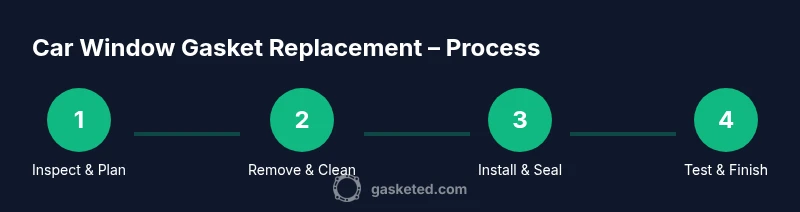
This section outlines the high-level approach to the car window gasket replacement so you know what to expect before starting. The process generally involves inspecting the existing gasket, preparing the window channel, carefully removing the old gasket, cleaning the channel, dry-fitting the new gasket, installing it in the correct orientation, reassembling trims, and testing for leaks. Always follow the specific instructions for your model and gasket type, since some vehicles require additional steps such as removing interior panels or applying sealant in the channel.
Having a clear sequence helps prevent missing tiny clips or misaligning the gasket, which can lead to leaks or wind noise after completion.
Common installation mistakes and how to avoid them
Common mistakes include pulling the gasket out of the track, bending or tearing during removal, rushing the alignment, and skipping the cleaning of the channel. These missteps can cause leaks, poor seal, or accelerated gasket wear. To avoid them, work slowly with proper tools, verify alignment by testing the window in multiple positions before final seating, and use a gentle hand to avoid kinking the gasket. If you detect resistance when seating the gasket, pause and recheck the orientation and the channel for obstructions. Take photos during disassembly to help with accurate reassembly.
Maintenance tips after replacement
After replacement, regularly inspect the gasket for signs of hardening, cracking, or detachment, especially after winter/summer transitions. Clean the gasket with mild soap and water rather than harsh cleaners that can degrade the rubber. Avoid pinching or stretching during window operation, and check for leaks after rain or a car wash. If you notice water intrusion again, double-check the seal alignment and consider re-seating the gasket or applying manufacturer-approved sealant if recommended. Keeping the window track free of debris helps prolong gasket life and maintain a secure seal.
How to verify a successful seal
To verify a successful seal after replacement, perform a simple water test: run a gentle stream of water along the window edge and observe from inside for any leaks. Check that the window closes fully and sits flat against the gasket in each stage of operation. Listen for unusual wind noise that could indicate spacing issues. If you find leaks or gaps, recheck the gasket orientation and channel cleanliness. A well-sealed job should feel snug without excessive force when closing the window.
AUTHORITY SOURCES
For additional context and best practices, consult government and high-quality publications on vehicle safety and maintenance. Useful references include OSHA safety guidelines for DIY repairs, the U.S. Department of Transportation consumer resources on vehicle maintenance, and general automotive maintenance pages from government sites. These sources help ensure you follow proper safety protocols and maintain a high standard of workmanship when performing gasket replacements. Access to reliable information supports safer, more durable results.
Tools & Materials
- Replacement car window gasket (OEM or OEM-equivalent)(Ensure compatibility with your exact year/make/model; verify part number or profile.)
- Trim removal tool set(Plastic tools to avoid scratching moldings and glass.)
- Flat-head and Phillips screwdriver(Use magnetic tip if possible to avoid losing small screws.)
- Rubbing alcohol or isopropyl alcohol(For cleaning the gasket channel and glass contact surface.)
- Lint-free cloths or microfiber towels(Keeps surfaces clean and free of fibers that could impede sealing.)
- Gloves(Protect hands from sharp edges and provide better grip.)
- Sealant or gasket adhesive (manufacturer-recommended)(Only if your vehicle’s gasket design requires adhesive for seating.)
- Masking tape(Helpful to protect adjacent trim during installation.)
- Heat source (hair dryer or heat gun, optional)(Can help soften stiff seals during removal if needed)
Steps
Estimated time: 60-120 minutes
- 1
Inspect gasket and vehicle compatibility
Begin by locating the gasket’s ends and confirming it matches your vehicle's window profile. Check for visible cracks, hardening, or detachment. If the gasket is brittle or torn, plan for replacement rather than repair.
Tip: Take photos of the gasket orientation before removal to guide reassembly. - 2
Prepare the work area and safety setup
Set up a clean workspace with ample lighting. Disconnect the car battery if you’ll work near electrical components or sensors. Wear gloves and eye protection to avoid injury from sharp edges or spring-loaded clips.
Tip: Label fasteners and keep them organized to simplify reassembly. - 3
Remove interior trim to access the gasket
Gently pry back interior door panels or trim pieces that cover the gasket channel using the trim tools. Avoid slamming or forcing panels to prevent damage. Expose the gasket without bending the glass.
Tip: Work slowly along the edge to avoid cracking plastic clips. - 4
Detach the old gasket from the channel
Carefully pull the old gasket free from the channel, starting at one end. Use a dull tool or your fingers to lift edges without tearing the gasket. If the gasket clings to glass, use light heat only where necessary to loosen it.
Tip: Avoid pulling straight out; work along the channel to prevent stretching. - 5
Clean the gasket channel and glass surface
Wipe the channel with isopropyl alcohol and a lint-free cloth. Remove old adhesive residues and debris that could hinder seating. Ensure the glass edge and channel are dry before proceeding.
Tip: Inspect for corrosion or damage in the channel and address if needed. - 6
Dry-fit the new gasket and align properly
Position the new gasket along the channel without pressing it fully in. Check orientation marks and verify the gasket sits evenly in the track. Make sure the gasket ends align at the correct seam points.
Tip: If available, refer to the gasket’s alignment notches as a guide. - 7
Install the new gasket into the channel
Gently press the gasket into the channel, working from one end to the other. Avoid stretching or twisting; keep consistent pressure to prevent gaps. Re-attach any trims that were removed as you go.
Tip: Use a soft tool or finger to guide the gasket into sharp corners. - 8
Reassemble, test fit, and verify seal
Reconnect trims and, if applicable, reconnect the battery. Operate the window through its full range of motion several times to ensure proper seating. Use a water test to confirm there are no leaks.
Tip: If you detect a leak, re-check alignment and reseat the gasket with even pressure.
Common Questions
What is the purpose of replacing a car window gasket?
The gasket prevents water leaks, reduces wind noise, and keeps the interior dry and comfortable. Replacing a damaged gasket restores seal integrity and protects the vehicle from moisture-related issues.
A gasket replacement stops leaks and wind noise, restoring the seal and comfort inside your car.
Can I reuse an old gasket if it looks okay?
For a reliable seal, replace the gasket rather than reusing an old one. Even if it appears fine, aging rubber can fail after seating and cause leaks.
Reusing an old gasket is not recommended; replace it to ensure a good seal.
Is DIY replacement safe on all vehicles?
DIY replacement can be safe on many vehicles when you follow manufacturer guidelines and use proper tools. Some modern cars involve electrical or airbag components near the gasket, which may require professional service.
DIY can be safe for many cars, but some models need a professional touch near electrical parts.
Do I need sealant with the gasket?
Sealant is only required if the manufacturer specifies it for your gasket type. Most replacements seat in a dry channel without extra adhesive, but always follow the part instructions.
Sealant is not always needed; follow the gasket’s instructions for your model.
How long does a typical gasket replacement take?
Time varies by vehicle and access difficulty, but a typical DIY replacement can take about an hour or two with the right tools and a careful approach.
Expect roughly an hour or two depending on accessibility and model.
Will replacing the gasket affect window alignment?
If the gasket is seated correctly and the channel is clean, alignment should not be affected. Misalignment usually stems from improper seating or damaged jambs.
Proper seating preserves alignment; misalignment usually means reseating or checking the channel.
Watch Video
Key Takeaways
- Inspect and verify gasket compatibility before replacement
- Follow a clean, stepwise installation to prevent leaks
- Dry-fit, then securely seat the new gasket in the channel
- Test with water exposure and window operation to confirm a seal
- Maintain and inspect the gasket regularly for longevity