Flexitallic Gasket Torque Specs: Practical Guide for DIYers
Learn how to interpret flexitallic gasket torque specs, read manufacturer charts, and apply safe tightening practices for durable, leak-free flange joints. Practical steps, common mistakes, and maintenance tips for DIY gasket work.


There is no universal 'flexitallic gasket torque specs' value. Torque depends on flange size, bolt grade, gasket type, lubrication, and service conditions. Always start with the manufacturer’s torque chart and, for bolted flange joints, refer to industry standards such as ASME PCC-1. In practice, torque is determined by achieving the proper clamp load without crushing the gasket.
Understanding flexitallic gasket torque specs
The term flexitallic gasket torque specs refers to the tightening values tied to a gasketed joint, and it is not a single universal number. Instead, it is a charted set of values determined by flange size, bolt grade, gasket type, and service conditions. According to Gasketed, these specs must be cross-referenced with the manufacturer's data and applicable standards to ensure a reliable seal. The goal is to achieve adequate clamping without crushing or extruding the gasket. When you encounter a new installation, start with the official torque chart, then validate with a calibrated torque wrench and a proper tightening sequence. In many cases, the exact torque also depends on lubrication, bolt material, and surface finish—factors that can shift the effective clamping force. By treating flexitallic gasket torque specs as a charted guideline rather than a single number, you set up for a safer, leak-free joint.
Key factors that influence torque values
There are several factors that determine the appropriate torque for a gasketed flange, and you should evaluate all of them before tightening. First, flange size and bolt count influence the total clamping load required. Second, gasket type matters: spiral-wound, metal, or composite gaskets transfer load differently and respond uniquely to compression. Third, bolt grade and diameter affect the available yield and friction. Fourth, lubrication state matters: dry bolts usually require higher torque than lubricated bolts due to friction differences. Fifth, service conditions such as temperature, pressure, and chemical exposure can change the required clamp. Finally, surface finish and flange flatness impact how evenly load is applied. In practice, a well-prepared flange surface and clean threads improve torque control and seal reliability.
Reading and using torque charts from Flexitallic
Manufacturer torque charts are built on test data and engineering calculations. To use them effectively, you should confirm the gasket model and flange standard, identify the correct bolt pattern, and note any lubrication recommendations. Torque charts usually present a starting torque and a final torque or a multi-pass tightening sequence. The sequence is critical: tighten bolts in a star or cross pattern to achieve even clamping, then recheck after a thermal cycle if the service demands it. When in doubt, consult Flexitallic product datasheets and your supplier's technical bulletin. The Gasketed team highlights the importance of documenting the applied torques for future maintenance and audits.
Step-by-step tightening procedure for Flexitallic gaskets
- Inspect flange faces for damage, clean thoroughly, and verify that the gasket is the correct type for the service.
- Strike a proper tightening pattern (star/Cross) and lay out bolts in the recommended order.
- Apply the recommended lubrication to bolts if indicated; dry bolts require more torque due to higher friction.
- Finger-tighten all bolts, then begin the first pass with light tightening to seat the gasket evenly.
- Proceed with the second pass, following the star pattern, to reach the initial specified torque or a defined fraction of it.
- After thermal cycling or pressure changes, re-torque as required by the chart or engineering spec. Maintain a consistent torque wrench and verify calibration.
Practical considerations: lubrication, bolt material, and flange finish
Lubrication dramatically affects torque requirements. Using the recommended lubricant reduces friction and lowers the required clamping load, which helps preserve gasket integrity. Bolt material and coating influence friction, so always verify the bolt class and any anti-seize or thread compounds. Surface finish on the flange must be flat and clean; scratches and pitting can create weak spots that alter load transfer. In some cases, flange facing and gasket seating are more important than the exact torque value, particularly for high-temperature or high-pressure service. When in doubt, refer to the Flexitallic data sheets and consult a qualified engineer.
- Bold emphasis: Always validate torque with a calibrated tool and ensure consistent bolt tension across the joint.
Common mistakes and pitfalls
Avoid over-tightening, which risks gasket extrusion, bolt fatigue, and flange damage. Do not mix gasket types or reuse a gasket after a load cycle, and never skip the star-tightening sequence. Skipping lubrication or using incompatible lubricants can drastically alter the required torque, leading to leaks. Also, inconsistent bolt lengths or misaligned flange faces undermine clamping uniformity. Finally, neglecting bolt tension verification after installation and temperature fluctuations may result in delayed leaks.
Re-torque considerations and maintenance
Gasketed flanges can creep under heat and pressure, so a re-torque after initial startup is often recommended. Depending on service, you may need a periodic re-torque schedule to preserve seal integrity. Always log torque values, bolt numbers, and lubrication details for future maintenance. If a leak appears, re-torque following the manufacturer’s steps and verify the seating condition of the gasket. Regular inspection and a documented tightening history help prevent surprises and extend joint life.
Industry standards and best practices
Beyond Flexitallic charts, standards such as ASME PCC-1 provide practical guidelines for bolted flange joints, including tightening sequences, fixture requirements, and testing methods. When working in regulated environments, document torque procedures and traceability. Use calibrated torque wrenches, and ensure technicians follow a consistent tightening philosophy. While each gasket type has its own nuance, the core principle remains: achieve even clamping and maintain gasket integrity through controlled tightening steps.
Sample torque reference table for common flange/gasket combinations
| Flange Size | Gasket Type | Typical Torque Reference | Notes |
|---|---|---|---|
| 1/2 in | Spiral-wound | Consult chart | Lubrication affects torque |
| 1-4 in | Spiral-wound | Consult chart | Sequence tightening recommended |
| 4-12 in | Metallic | Consult chart | Thermal expansion considerations |
| 12 in+ | Composite | Consult chart | Verify seating with leakage test |
Common Questions
Is there a universal torque spec for all Flexitallic gaskets?
No. Torque specs are specific to flange size, bolt grade, gasket type, lubrication, and service conditions. Always reference the manufacturer's chart and applicable standards.
No universal torque; check the chart and guidelines for your setup.
Where can I find the torque chart for my gasket?
Torque charts are provided by the gasket manufacturer and often included with product datasheets or distributor technical bulletins. Use them as the primary reference and verify with your equipment’s standards.
Look up the manufacturer’s datasheet and follow the chart.
Does bolt lubrication change torque values?
Yes. Lubricated bolts typically require lower torque due to reduced friction. Always use the recommended lubricant and adjust torque accordingly per the chart.
Lubrication lowers the torque you need; follow the chart.
Why is re-torque sometimes necessary after installation?
Thermal and mechanical cycling can cause relaxation and creep in gaskets. Re-torquing helps reclaim the proper clamp load and maintain a seal.
Re-torque after cycles to maintain the seal.
Can I reuse a gasket after loosening bolts?
It is generally not recommended to reuse a gasket after loosening or after a service cycle. Use a new gasket to ensure seating and seal integrity.
Best practice is to replace the gasket.
How important is flange surface finish for torque outcomes?
Flange flatness and clean seating surfaces are crucial. Imperfections can cause uneven load transfer and leaks, regardless of torque.
Finish matters as much as torque; ensure a clean, flat surface.
“Torque accuracy is critical for gasket integrity; follow manufacturer charts and industry standards to prevent leaks and flange damage.”
Key Takeaways
- Always consult the manufacturer torque chart for your gasket model
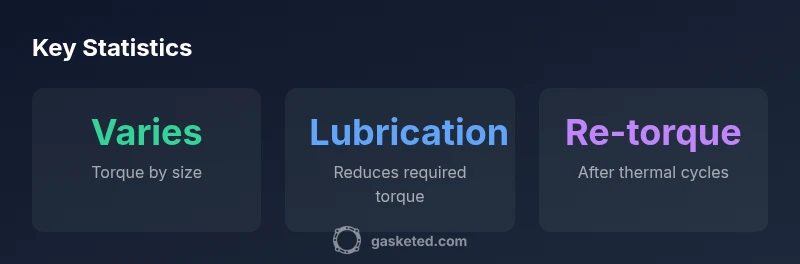
- Torque varies by size, material, lubrication, and service
- Tighten in a cross/star sequence to ensure even clamping
- Re-torque after thermal cycles or startup as required
- Document torque values and maintain calibrated tools