How to Remove Old Gasket: A DIY Guide
Learn practical, safe steps to remove old gasket, prepare mating surfaces, dispose of waste responsibly, and install a durable replacement gasket for leak-free operation. This comprehensive guide covers tools, safety, technique, and maintenance.


By following this guide, you’ll learn how to get rid of old gasket safely and effectively. It covers identifying gasket types, removing worn material without harming surfaces, and preparing the mating face for a durable seal. Start by powering down equipment, releasing pressure where applicable, and gathering the right tools.
What qualifies as an old gasket and why removal matters
Gaskets are thin seals that keep fluids, gases, and pressure from leaking between two mating surfaces in engines, appliances, and plumbing. Over time they can dry out, harden, shrink, or tear, which compromises their ability to seal. When a gasket begins to fail, leaks can appear at joints, fasteners can loosen, and the overall integrity of the system is threatened. Removing an old gasket is usually the first meaningful step in re-sealing because leftover material can prevent a new gasket from seating evenly and forming a uniform seal. Gasket remnants can also trap moisture or debris that interferes with the adhesive or compression of the replacement. In this guide, you’ll learn how to identify when removal is necessary, decide whether a full gasket replacement is required, and follow a methodical removal process that minimizes surface damage and future leaks. The goal is a clean, pristine surface that lets the new gasket perform as intended.
Understanding gasket types you might encounter
Not all gaskets are built the same, and the removal approach depends on the material and where the gasket sits. Common gasket materials include flexible rubber or silicone, cork, graphite, and metal-reinforced composites. Some gaskets bond with light adhesives, while others rely on mechanical compression from bolts or clamps. The location also matters: a gasket on a plumbing elbow is different from an automotive thermostat housing, and both demand different cleaning solvents and tools. When you inspect the area, look for thickness variation, hardened edges, or paper-like residue that indicates a burnt or aged gasket. If you can determine the material type, you’ll choose an appropriate solvent and scraping method that minimizes surface scoring and preserves mating surfaces for the next seal. If in doubt, consult manufacturer manuals or an experienced professional for guidance.
Safety and prep before you start
Safety comes first because gasket removal often involves sharp edges, open flame in some installations, and exposure to solvents. Put on sturdy gloves and safety glasses, and work in a well-ventilated area. If the job is indoors, open windows or use a fume extractor and avoid sparks near fuel lines or solvents. Disconnect power to any involved equipment and relieve pressure in systems that are pressurized, such as boilers or compressible devices. Clear the workspace of clutter and place containers for waste. Keep a bucket of clean rags handy and store solvents separately from heat sources. Finally, read any relevant safety data sheets for the cleaners you plan to use and confirm that the gasket area is not under active load or risk of sudden movement during removal.
Planning the removal: assess feasibility and replacement needs
Before you remove, ask a few practical questions. Is the gasket accessible without dismantling critical components? Will the mating surfaces tolerate scraping without gouging or removing protective coatings? Do you intend to replace only the gasket or the entire assembly? In many cases, the gasket sits between metal surfaces that can be scratched if aggressive scraping is used. If the old gasket is stuck to a fragile plastic part, you may need gentler solvents and plastic scrapers. In other situations, a gasket may be integral to a component that requires professional disassembly. Making a quick plan helps you choose the correct tools, estimate time, and avoid repeating work. If you’re unsure, err on the side of caution and consult the equipment manual or a pro before proceeding.
Tools and materials you’ll need (and why)
Having the right tools makes gasket removal safer and more effective. Essential items include a plastic or nylon gasket scraper, a putty knife, a soft brush or old toothbrush for loosening debris, and lint-free rags for cleanup. A dull razor blade can work on stubborn residue on metal surfaces, but avoid metal tools on soft plastics that can scuff. Solvent options vary by gasket material: isopropyl alcohol works well on many organic residues, while a dedicated gasket remover can help soften silicone-based bonds. For appliances and engines exposed to heat, a heat gun or warm air can help soften stubborn materials—use it cautiously to avoid warping. Finally, masking tape helps protect nearby paint or finishes during cleaning, and a small amount of penetrating oil can loosen corrosion around fasteners. Remember to follow the manufacturer’s recommendations for substitutes and cleaners.
Step-by-step guide: removing the old gasket (surface-by-surface)
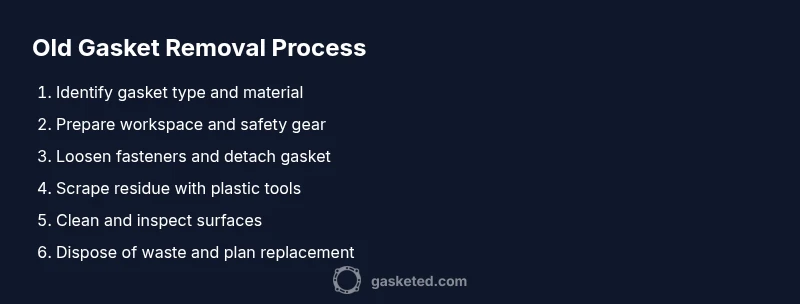
Follow these actions in order to remove the gasket without damaging surrounding components. Start with power down, then access, then remove, while keeping around edges free from clips that could fling debris. If bonding is present, apply the appropriate solvent and wait the recommended time before attempting removal. Use a plastic scraper to ease up edges, then peel away the gasket slowly to avoid tearing and leaving fragments behind. For particularly stubborn residue, switch to a softer blade and gentle scraping. Inspect the surfaces for scoring or corrosion and consider repeating solvent treatment if needed. Document what you observe to guide your replacement and avoid missing damaged areas. Tip: taking photos before you start can dramatically simplify reassembly.
Cleaning and prepping the mating surfaces for a new gasket
After removal, thoroughly clean both surfaces to remove oil, old adhesive, and brake dust or mineral deposits. Use the chosen solvent in a well-ventilated area and wipe with lint-free cloths until dry. Lightly sand any rough spots only if the material allows it and you know you won’t compromise flatness. The goal is a perfectly clean, flat, and dry surface free of debris that could prevent a uniform seal. Check for pitting, corrosion, or deep scratches; these issues may require professional attention or a surface dressing before applying the new gasket.
Disposal and cleanup: disposing of old gasket material
Dispose of old gasket material according to local guidelines. Plastic and organic gasket pieces typically go into household trash, but metal-backed gaskets or asbestos-containing materials require special handling in some jurisdictions. Never flush gasket remnants down the toilet or drain as they can clog plumbing. Clean tools and workspace thoroughly after removal, and store solvents and residues in labeled containers away from heat or ignition sources. If you used solvents, ventilate the area and dispose of contaminated rags in a sealed container per local regulations.
Replacing or resealing: selecting the right gasket and application tips
With the old gasket removed, you’ll decide whether to replace or reseal. Most replacements are recommended to ensure a reliable seal, particularly if the mating surfaces show damage. Choose a gasket of the appropriate material and thickness for the application, and confirm that the gasket is oriented correctly. For some surfaces, a gasket sealant or adhesive is required in a thin, even layer; avoid excess, which can squeeze out and contaminate seals. Align the new gasket carefully, then tighten fasteners to the manufacturer’s torque specification in a cross pattern to ensure even compression.
Common mistakes and troubleshooting
Avoid common mistakes such as using metal tools on soft plastics, neglecting surface cleaning, or choosing the wrong gasket size. Over-tightening can crush the gasket and damage mounting surfaces; under-tightening can lead to leaks. If leaks persist after installation, recheck gasket orientation, surface cleanliness, and torque sequence. In some cases, residual adhesive or improper material choice is the root cause. When in doubt, consult the component manual or seek professional help rather than forcing a poor seal.
Quick maintenance tips to extend gasket life
Perform regular inspections around gasket joints and replace gaskets before cracks or signs of wear appear. Keep the surrounding area clean from dirt and oil, and re-torque fasteners after the system reaches normal operating temperature as specified by the manufacturer. Consider installing a gasket made from a material suited to your environment (heat, chemical exposure, or vibration can shorten gasket life). Store spare gaskets in a dry, cool place to prevent deformation and ensure a reliable seal on future repairs.
Final safety check before testing for leaks
Before testing for leaks, ensure all fasteners are tightened to spec and all tools are removed from the vicinity. Reconnect any power sources or fuel lines and slowly restore pressure or heat, watching for signs of leaks or abnormal movement. If you notice seepage, shut down promptly and re-evaluate the gasket type, seating, and surface condition. A cautious, methodical approach reduces the risk of rework and damage.
Tools & Materials
- Safety gloves (nitrile or latex)(Protect hands from solvents and sharp edges)
- Safety glasses or goggles(Eye protection against debris and splashes)
- Plastic or nylon gasket scraper(Avoid marring delicate surfaces)
- Putty knife (plastic)(Edge control and scraping versatility)
- Rags or lint-free cloths(Absorb solvents and wipe surfaces dry)
- Solvent/remover appropriate for gasket material(Follow manufacturer guidance; isopropyl alcohol or dedicated remover)
- Gasket remover or soft brush(Loosen stubborn residue without scratching)
- Masking tape(Protect nearby finishes during cleaning)
- Heat gun (optional)(Soften stubborn materials; use with caution)
- Penetrating oil or lubricant (optional)(Loosen corroded fasteners when needed)
Steps
Estimated time: 60-90 minutes
- 1
Power down and depressurize
Power off all related equipment and relieve any built-up pressure. This prevents accidental movement or release of fluids during removal and reduces the risk of injury. If dealing with fuel or pressurized systems, follow specific safety procedures from the manual.
Tip: Always confirm there are no active power sources or live connections nearby before starting. - 2
Access gasket area and loosen fasteners
Gain clear access to the gasket by removing any covers or shields. Use the correct size driver or wrench to loosen bolts or clamps evenly, avoiding partial loosening that can tilt surfaces.
Tip: Loosen fasteners in a crisscross pattern to prevent warping. - 3
Apply solvent and wait
If the gasket is bonded, apply an appropriate solvent around the edges and let it soften the adhesive bond. Follow the product’s wait time to maximize effectiveness without over-wetting the component.
Tip: Ventilate the area well and avoid skin contact with solvents. - 4
Gently lift gasket edges
Begin at a corner and use a plastic scraper to ease up the edge. Apply steady, even pressure to avoid tearing more. Work slowly to keep fragments intact for reference.
Tip: If the gasket resists, apply a bit more solvent and wait a few more minutes. - 5
Peel away gasket and remove residue
Peel the gasket away in larger sections when possible. Collect fragments for proper disposal and use a plastic blade to scrape residual adhesive along the surface without gouging.
Tip: Keep a container handy for small debris to prevent loss. - 6
Inspect surfaces for damage
Look for scoring, corrosion, or pitting on mating surfaces. Surface damage may require light refinishing or professional attention before proceeding.
Tip: Document any issues with photos for reference. - 7
Clean and dry the surfaces
Clean the area with the chosen solvent and wipe until completely dry. Inspect again to ensure no residue remains that could compromise the new gasket.
Tip: Avoid leaving fibers or lint that could affect the seal. - 8
Document findings and prepare for replacement
Note surface condition, gasket type, and any special considerations for the install. This helps you select the correct replacement and install it correctly.
Tip: Take photos of any damaged areas to guide the next steps.
Common Questions
Is it necessary to replace a gasket after removal?
In most cases, yes. Gaskets are designed to seal under compression and reusing an old gasket can lead to leaks. If the old gasket shows signs of wear, swelling, or damage, replace it with a new one for a reliable seal.
Usually you should replace the gasket. Reusing worn gaskets can cause leaks, so opt for a new seal when in doubt.
Can I reuse the old surface after removing the gasket?
If the mating surface is scored, corroded, or rough, reuse is not advisable. Clean and inspect; if damage is present, we recommend refinement or replacement of the affected part before installing a new gasket.
If the surface is damaged, don’t reuse it. Clean and inspect, and replace parts if needed.
What is the best way to dispose of old gasket material?
Dispose of gasket material according to local guidelines. Most organic gasket scraps go with household trash, while metal-backed or hazardous components may require special handling.
Check local rules for disposal, and separate metal parts if required.
What if the gasket was glued or welded into place?
Glued or welded gaskets require extra care. Use solvents recommended for the material and, if necessary, consult a professional to avoid damage to the component.
Glued or welded gaskets may need special solvents or professional help.
Do I always need sealant for gasket installation?
Not always. Some gaskets rely solely on compression for a seal, others require a thin sealant layer. Follow the manufacturer’s guidelines for the specific part you’re working with.
Follow the part’s instructions—some gaskets require sealant, others do not.
How long should I wait for a sealant to cure after installation?
Cure times vary by product and application. Always refer to the sealant’s label for exact times and avoid pressure or leaks until the cure period is complete.
Check the label for cure time and avoid testing leaks until it’s cured.
Watch Video
Key Takeaways
- Identify old gasket and plan replacement.
- Protect surrounding surfaces from damage.
- Use the right tools and safe solvents.
- Dispose of old gasket properly.
- Inspect surfaces and replace with a correct gasket.