Replace Exhaust Manifold Gasket: A DIY Guide
Learn step-by-step how to replace an exhaust manifold gasket with the right tools, safe practices, and troubleshooting tips. Avoid leaks, reduce noise, and restore engine performance with our comprehensive DIY guide from Gasketed.


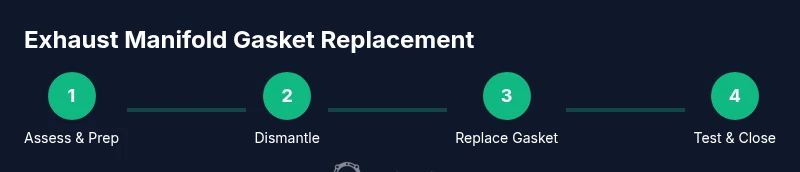
By following this guide, you'll replace an exhaust manifold gasket safely and effectively. It covers diagnosis, required tools, removing the manifold, installing a new gasket, reassembly, and a test run to confirm a leak-free seal. Always consult your vehicle’s service manual for model-specific guidance and torque specs. This job can be done with common hand tools in a weekend.
What the exhaust manifold gasket does and why replacement matters
The exhaust manifold gasket seals the interface between the exhaust manifold and the cylinder head, preventing hot exhaust gas from leaking into the engine bay. Over time, heat, corrosion, and loose or warped mounting surfaces can degrade the gasket, leading to exhaust leaks, ticking noises, reduced engine efficiency, and potentially failed emissions tests. Replacing a worn gasket restores proper sealing, reduces noise, and helps maintain correct exhaust flow. According to Gasketed, replacing this gasket is a common DIY repair that saves money and avoids unnecessary trips to a shop. Before you start, verify you have the right gasket type for your engine and confirm access to all mounting bolts and sensors.
Symptoms of a failing exhaust manifold gasket
Common signs of a failing exhaust manifold gasket include a distinct ticking or tapping sound from the engine bay, especially during cold starts; visible exhaust smell under the hood or around the exhaust junction; reduced engine performance and occasional rough idle; and in some cars, a check engine light or diagnostic trouble codes related to exhaust leaks. A leak can also cause rust or heat damage to nearby components over time. If you notice any combination of these symptoms, perform a careful inspection of the manifold area and consult your service manual for location-specific checks. Do not ignore symptoms, as a stubborn leak can worsen engine performance and emissions readings.
Safety and prep: workspace, PPE, and vehicle support
Safety first. Work in a well-ventilated area and let the exhaust system cool completely before handling components. Disconnect the negative battery terminal to prevent arcing when unplugging sensors or wiring. Support the vehicle on jack stands on a level surface if you need to access the underside, and chock the wheels to prevent roll. Gather PPE: safety glasses, gloves, and long sleeves. Label and photograph fasteners, and keep hardware organized. Have a clean workspace with light, a magnetic tray for bolts, and a container to keep old gaskets and debris from entering the engine bay. Finally, consult your vehicle’s service manual for any model-specific cautions, such as sensor connectors or heat shield locations.
Choosing a replacement gasket: material types and compatibility
There are multiple gasket materials; most cars use composite or metal-reinforced gaskets depending on the engine design. Ensure you buy the correct gasket for your exact engine code and manifold style. Some aftermarket sets include heat shields or studs; others require only the gasket. If your exhaust flange surfaces show deep pitting or warping, replacement may involve additional machine work. Always verify compatibility with your cylinder head and manifold bolt pattern. For critical engines, using OEM-spec gaskets or high-quality aftermarket equivalents recommended by the manufacturer helps ensure a reliable seal and long service life.
Access and removal considerations: when to remove downstream components
Accessing the exhaust manifold often requires removing nearby components such as heat shields, oxygen sensors, or even parts of the intake tract. If you need to remove sensors, unplug them carefully and label their connectors. Heat shields may be secured with small fasteners that can be stubborn; use penetrating oil and patience. In tight engines, you may need to remove the exhaust downpipe or other adjacent hardware to reach all manifold bolts. Do not force misaligned parts; instead, plan the disassembly in logical steps and keep track of bolts with corresponding locations.
Cleaning and inspection: what to inspect on manifold and studs
After removing the manifold, inspect the mating surfaces on the cylinder head for warping, corrosion, or gasket residue. Clean both surfaces with a plastic scraper or store-bought gasket scraper; avoid metal scrapers that could gouge aluminum. Check for tight, clean bolt holes and threads; remove damaged studs or bolts as needed. Inspect the exhaust ports and manifolds for cracks. If any component looks damaged beyond a gasket swap, consider replacement or professional service. Once surfaces are clean and flat, dry-fit the new gasket to verify alignment before final assembly.
Reassembly considerations: gasket orientation, sealants, bolts
Orient the gasket correctly to match the port pattern; some gaskets have markings or non-symmetric shapes. Lightly coat threads with anti-seize compound, as recommended by many manufacturers, and avoid getting sealant on the gasket surface unless specified. Re-install the manifold by hand to avoid cross-threading, then snug bolts in a star pattern to ensure even pressure. Finally, torque bolts per your service manual in the recommended sequence. Reconnect any sensors and shields, and ensure all wiring is clear of hot surfaces.
Common mistakes and how to avoid them
Avoid reusing old gaskets; misorienting the gasket; forgetting to disconnect sensors; neglecting to clean surfaces; over-tightening bolts; reusing old studs or bolts. Another frequent mistake is failing to replace accompanying hardware like studs or heat shields when recommended. Always verify compatibility and follow the prescribed torque sequence. If a bolt threads or strips, stop and replace it to avoid a failed repair.
Testing, maintenance, and long-term checks
Start the engine and listen for leaks around the manifold seam; feel for escaping air with a hand near the seam (careful not to burn). If you hear a hiss or feel vibration, shut down and recheck bolts and gasket seating. Perform a short test drive to bring the exhaust system up to temperature and re-check for leaks. After the test, inspect the area once more and look for signs of leakage after cooling. Maintain the area by keeping heat shields clean and inspecting studs for corrosion every few months.
Tools & Materials
- Socket set (metric and SAE)(3/8-inch drive recommended; include deep sockets for long bolts)
- Torque wrench(Prefer adjustable or digital; ensure range covers bolt specs)
- Gasket scraper or plastic scraper(Avoid metal scrapers that could score aluminum)
- New exhaust manifold gasket kit(Exact fit for your engine; consider OEM or high-quality aftermarket)
- Penetrating oil(Loosen stubborn bolts; apply well before removal)
- Anti-seize compound(Light coating on bolts to ease future disassembly)
- Safety glasses and gloves(Personal protective equipment for heat and sharp edges)
- Marker or chalk and a magnetic tray(Keep track of bolts and parts; prevent mix-up)
- Rags and gasket remover(Clean surfaces and wipe away debris)
- Breaker bar(Useful for stubborn bolts without harming the tool)
Steps
Estimated time: 2-4 hours
- 1
Prepare and secure the vehicle
Park on a flat surface, engage the parking brake, and if needed, chock the wheels. Allow the engine to cool completely before touching hot components. Disconnect the negative battery terminal to prevent electrical shorts while you work.
Tip: Staging the area with labeled bins saves time during reassembly. - 2
Relieve system pressure and access sensors
If accessible, disconnect any oxygen sensor wiring from the exhaust manifold area and remove associated sensors carefully. This avoids damaging sensors or wiring when you move components.
Tip: Take a photo of sensor connections before unplugging. - 3
Gain access to the manifold
Remove heat shields or nearby parts that block bolt access. Use penetrating oil on bolts and wait a few minutes for it to work.
Tip: Avoid forcing bolts; apply more oil rather than levering. - 4
Loosen and remove the manifold bolts
Loosen bolts in a crisscross pattern to avoid warping the flange. If bolts are stubborn, apply more penetrating oil and reattempt after a short pause.
Tip: Never remove all bolts in one go; loosen gradually. - 5
Detach the exhaust components if needed
If the downpipe or adjacent hardware blocks removal, carefully detach it following the service manual. Keep track of any brackets or gaskets removed.
Tip: Label brackets to ease reinstallation. - 6
Remove the old gasket and clean surfaces
Carefully remove the old gasket without scratching the metal surfaces. Clean mating surfaces with a plastic scraper, removing gasket residue and debris.
Tip: Avoid gouging the head or manifold surfaces. - 7
Inspect for damage and prepare the area
Check for warping, cracks, or corrosion on the head surface, manifold, and bolt holes. If damage is found, plan for repair or replacement beyond gasket replacement.
Tip: Address any damage before reinstalling. - 8
Install the new gasket and reattach the manifold
Place the gasket in alignment with the ports. Reinstall the manifold by hand to prevent threads from cross-threading. Then snug bolts gradually.
Tip: Use a star or crisscross pattern for even pressure. - 9
Torque bolts and reconnect components
Torque bolts in the service manual’s specified sequence. Reconnect sensors, heat shields, and any removed parts. Double-check wiring and heat exposure areas.
Tip: If you don’t have a torque spec, do not guess—consult the manual. - 10
Test start and check for leaks
Start the engine and listen for leaks around the joint. If you hear a hiss or feel air escaping, switch off and inspect gasket seating and bolt torque.
Tip: Let the system reach operating temperature to confirm a seal. - 11
Final inspection and maintenance
Perform a brief road test and re-inspect after cooling. Keep an eye on exhaust smells and check for new leaks during the next few days of normal use.
Tip: Regular checks help prevent unnoticed leaks from becoming costly repairs.
Common Questions
What are common signs of a blown exhaust manifold gasket?
Look for ticking noises from the engine bay, a strong exhaust smell, and reduced engine performance. A check engine light may indicate an exhaust leak. These symptoms together usually warrant a closer inspection of the manifold.
Common signs are ticking noises, exhaust smell, and reduced performance.
Do I need to remove the exhaust manifold completely to replace the gasket?
In most cases you’ll need to remove the manifold to access and seat the new gasket properly. Partial access or attempting to replace in place is often unreliable and can lead to leaks.
Usually you need full access by removing the manifold.
Can I reuse the old gasket after cleaning?
Reusing a gasket is generally not recommended. A fresh gasket ensures a proper seal and reduces the risk of leaks.
It's best to use a new gasket for a solid seal.
Is gasket sealant ever required for this job?
Most OEM gaskets seal well with proper torque and clean surfaces. Sealants are only recommended if the manual specifies or if manufacturer parts require them.
Usually no sealant is needed if you follow the manual.
How long does this repair typically take?
Expect a few hours depending on access and vehicle model. More complex engines may take longer.
Plan for a few hours, depending on how easy it is to access the bolts.
Watch Video
Key Takeaways
- Inspect surfaces and replace with a proper gasket
- Orient gasket correctly and use light anti-seize on threads
- Follow the service manual for torque patterns