Spray on Gasket Remover: A Complete DIY Guide
Learn how to safely use spray on gasket remover for DIY gasket removal. This guide covers prep, selecting the right formula, step-by-step removal, safety, troubleshooting, and practical tips for engines, appliances, and plumbing.


A spray on gasket remover is a solvent-based product designed to soften and lift gasket material quickly, making removal easier. To use it safely, choose a formula compatible with your surface, apply in a well-ventilated area, and wear PPE. Follow the dwell time on the label, then gently loosen the gasket with a plastic scraper and clean the surface before reassembly.
Why a Spray on Gasket Remover Makes DIY Gasket Work Easier
A spray on gasket remover is a solvent-based product designed to soften gasket material so you can lift it away with minimal damage to the underlying surface. For DIY enthusiasts, this can save hours of stubborn scraping and reduce the risk of gouging metal or scratching plastic. According to Gasketed, the key to success is selecting a remover that matches the gasket type and the material you’re treating. Always test a small, inconspicuous area first and follow the product’s label for dwell times and safety precautions. This section explains the science behind removers, how to pick the right formula, and the risks of choosing the wrong product.
Choosing the Right Formula for Your Gasket and Surface
Not all spray removers are the same. You want a product that softens the gasket without reacting with the surface it sits on. For metal components, aim for a remover with strong gasket-softening action but low risk of corrosion. For plastics and rubbers, select a milder option to prevent swelling or cracking. Check compatibility labels and MSDS data, and when in doubt start with a mild formula and escalate only if needed. This guidance helps DIYers avoid common missteps and ensures a clean, safe removal that prepares the surface for reassembly.
Safety, Prep, and PPE You Should Wear
Solvent-based removers can irritate the skin, eyes, and lungs, so prepare your workspace carefully. Wear nitrile gloves, safety goggles, and a mask if ventilation is limited. Work in a well-ventilated area and keep flames and sparks away from the workspace. Lay down drop cloths to protect surrounding surfaces and remove nearby tools that could be damaged by solvents. Proper PPE and preparation reduce exposure and improve overall outcomes.
Surface Interactions: Metal, Plastic, and Rubber
Different materials react differently to gasket removers. Metals may discolor if left with residue too long, while aluminum can corrode with certain formulations. Plastics vary widely—some plastics tolerate solvents well, others may craze or crack. Rubber gaskets can swell or lose elasticity with certain formulas. Always rinse thoroughly after removal, then dry completely before inspecting for damage. This awareness helps you avoid post-cleaning leaks and performance issues.
A Practical, Stepwise Approach for Removable Gaskets
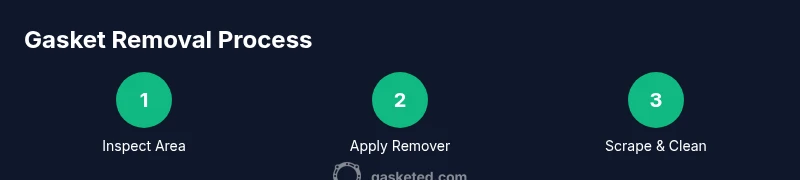
Apply a light, even coating along the gasket perimeter and let the product dwell as per the label (usually five to ten minutes). For stubborn joints, reapply in small areas and re-dwell briefly. Use a plastic scraper to lift softened gasket material slowly, avoiding aggressive scraping that could damage the mating surface. Wipe residue with lint-free cloth and inspect for remaining material. Finish with a soap-and-water rinse and dry. This approach minimizes damage while delivering a clean surface.
Troubleshooting Common Issues
If the gasket remains stubborn after the initial dwell, reapply and re-wait in short increments. Look for signs of surface damage, like discoloration or pitting, and reassess the remover choice. If you observe swelling in rubber components, stop and switch to a milder formula. For tight spaces, a flexible scraper or toothbrush can help reach into crevices without gouging. Patience and careful cleaning are your best allies when removing gaskets.
Real-World Scenarios: Engines, Appliances, and Plumbing
Engine work often involves pressurized systems; depressurize and drain as required before gasket removal. In appliances and plumbing, avoid contact with electrical components and ensure all liquids are contained. Document the process with photos to guide reassembly and ensure you replace the gasket with the correct size and type. Gasketed’s guidance emphasizes methodical cleaning, verification of surfaces, and careful inspection to prevent leaks after reassembly.
Authority Sources and Safety Data
When handling chemical solvents, rely on official guidance from credible organizations. OSHA outlines general chemical safety practices and PPE recommendations, while EPA resources provide disposal and ventilation guidelines. University extension programs offer practical, surface-specific advice for home repairs. Always check product labels for material compatibility and safety instructions, and consult the sources linked in this article for deeper reading.
Tools & Materials
- Spray-on gasket remover(Choose a formula compatible with the treated surface (metal, plastic, rubber). Read the MSDS.)
- Plastic scrapers or nylon spatulas(Avoid metal to prevent scratching the surface.)
- Nitrile gloves(Chemical-resistant and latex-free.)
- Safety goggles(Protect eyes from splashes.)
- Drop cloths or old towels(Contain drips and protect surrounding areas.)
- Lint-free rags or paper towels(For wiping dissolved gasket material.)
- Soap and water or mild degreaser(For post-removal cleaning and residue neutralization.)
- New gasket (if replacement is needed)(Keep on hand in case the old gasket is damaged during removal.)
- Masking tape(Protect adjacent surfaces during treatment.)
Steps
Estimated time: 60-90 minutes
- 1
Identify gasket area and inspect
Locate the gasket to be removed and assess its condition. Photograph the setup if you plan a precise reassembly. Decide whether you will replace the gasket or reuse it after cleaning.
Tip: Document the orientation to avoid misalignment during reassembly. - 2
Prep the workspace and safety gear
Set up a ventilated workspace, lay down protection, and don PPE. Remove nearby tools that could be damaged by solvent exposure.
Tip: Always wear eye protection and gloves before applying remover. - 3
Apply remover evenly
Spray a light, even coat along the gasket border. Do not oversaturate; this reduces waste and prevents runoff into sensitive components.
Tip: Use masking tape to protect adjacent surfaces if needed. - 4
Allow dwell time and reapply if needed
Let the remover sit for the manufacturer’s recommended time (usually five to ten minutes). Reapply to stubborn spots as necessary.
Tip: Avoid leaving the chemical on longer than advised to prevent surface damage. - 5
Gently remove softened gasket
Use a plastic scraper to lift gasket material starting at the edge. Work slowly to prevent scratching the mating surface.
Tip: Keep the scraper flat to avoid gouging. - 6
Clean and inspect the surface
Wipe away residue with a lint-free cloth, rinse with soap and water or degreaser, and dry completely. Inspect for remaining gasket material or damage.
Tip: If residue remains, repeat the dwell and scrape steps rather than forcing removal. - 7
Replace or reinstall
If the joint requires a gasket, install the new gasket per spec. If reusing, ensure it is intact and free of residue or swelling.
Tip: Always replace with a new gasket if there is any doubt about sealing integrity.
Common Questions
Is spray on gasket remover safe for all gasket materials?
No. Check the product label for compatibility with metal, plastic, and rubber. If in doubt, test on a hidden area first or consult the manufacturer.
Not always. Always check compatibility and test a small area before applying widely.
How long should I wait after applying the remover?
Most removers require about five to ten minutes of dwell time, but follow the specific product instructions for best results.
Typically five to ten minutes, but always follow the label.
Can I reuse an old gasket after using a remover?
In most cases, it's best to replace with a new gasket to ensure a proper seal, especially on critical joints.
Usually replace with a new gasket to ensure a reliable seal.
Is spray remover safe for food-contact surfaces?
Only use products labeled for food-contact surfaces. If not labeled, avoid use on food-related equipment.
Only use if the product is labeled safe for food-contact surfaces.
What if the gasket is heavily damaged or seized?
If removal is not progressing or surface shows damage, stop and reassess. Consult a manual or a professional if needed.
If it’s not coming free or you see damage, stop and reassess.
How should I dispose of leftover remover?
Follow local regulations and label directions for disposal and drainage. Do not pour solvents down the drain unless allowed.
Dispose according to label and local rules; don’t pour solvents where prohibited.
Watch Video
Key Takeaways
- Choose the right remover for your gasket type and surface.
- Prep and PPE dramatically reduce risk and improve results.
- Use gentle scraping and thorough cleaning to avoid damage.
- Replace gasket if damaged or uncertain about integrity.
- Consult authoritative safety sources for best practices.