What If the Seal Is Broken? A DIY Gasket Replacement Guide
Learn how to identify, diagnose, and fix a broken seal in common home gaskets with a practical, step-by-step approach. This guide covers fridge, toilet, and appliance seals, plus maintenance tips to prevent future leaks.


Discover what to do when a seal is broken by identifying the defect, assessing safety risks, and choosing between DIY gasket replacement or professional service. This guide covers fridge door seals, toilet seals, and appliance gaskets, with practical steps, tool lists, and maintenance tips to prevent future leaks. Whether you're a beginner or a seasoned DIYer, quick decisions matter.
Understanding the consequences of a broken seal
When a seal fails, it creates a pathway for energy loss, moisture intrusion, and contamination risks. In household systems like refrigerators, ovens, toilets, and pipeline connections, a broken seal can lead to higher utility bills, frost buildup, uneven cooling, or sewer gas leakage in extreme cases. The question many homeowners ask is, what if seal is broken? The reality is that the impact depends on location, the material the seal is made from, and how rapidly the defect develops. According to Gasketed, proactive sealing reduces energy waste and preserves the integrity of the system. A small crack or deformation today can become a major repair tomorrow if left unchecked, so early detection and planning are essential for DIY success.
This section helps you evaluate risk, prioritize fixes, and understand the lifecycle of common gasket materials. By recognizing the signs early, you can decide whether a quick sealant touch-up suffices or if a full gasket replacement is necessary. The goal is to minimize disruption to your daily life while restoring effective sealing.
Common signs of a broken seal
A broken seal typically shows visible wear, gaps, or deformation. Look for hard-to-close doors, uneven gaps along the seal line, frost or condensation buildup around fridge gaskets, or damp spots where the seal contacts the frame. In toilets, listen for slow drainage or sewer odors near the gasket area. In appliances, you may notice moisture outside the housing or unusual noises when the unit cycles. If you notice any of these indicators, plan a thorough inspection. Gasketed’s guidance emphasizes comparing the gasket’s profile to a new, properly sized replacement and checking for flatness, elasticity, and clean seating surfaces. If the seal is cracked or brittle, replacement is typically the most reliable option.
Other cues include inconsistent door alignment, which can create stress on the gasket and accelerate failure. A seal that feels tacky, sticky, or gummy after cleaning may have degraded material or contamination. Keep an eye on the seal’s corners and channels—these areas are prone to tearing or detachment when load is uneven. In summary, signs range from visible damage to functional performance issues; start with a careful visual check, then test the door for leaks with a simple water or bubble test.
Safety first: immediate steps if you discover a broken seal
First, unplug the appliance or switch it off at the breaker if it’s hard-wired. This reduces the risk of electric shock and prevents further damage if there’s moisture or exposed metal nearby. Clear surrounding hazards and remove any items that could fall or leak. For fridges, keep food safe by minimizing door openings and transferring perishables to a cooler if you’ll be working for more than 30 minutes. When dealing with toilets or plumbing seals, turn off the water supply to avoid accidental flooding. Wear gloves to protect your hands from sharp edges and broken material. Finally, document the problem with photos before you begin any work; this helps with ordering the right replacement part and communicating with customer support if you need it.
If you’re unsure about electrical safety or structural integrity, err on the side of caution and consult a professional. The goal in this stage is to secure the area and prevent further damage while you plan the repair.
How a broken seal is diagnosed across typical home systems
Different seals require different approaches. Refrigerator and freezer gaskets are typically a simple replacement, while oven and dishwasher seals may involve longer service life and specialized parts. Toilet seals (wax rings or rubber seals) require careful removal and reseating to prevent leaks. Start by identifying the seal type: is it a door gasket, an O-ring, or a flat gasket along a joint? Check the door alignment and measure the gasket’s dimensions to ensure you order the correct size. Examine the groove where the gasket sits for debris, which can prevent a proper seal. In some cases, you’ll discover that the issue isn’t the gasket itself but the hinge alignment or the frame, which can cause a misseal. Documentation and measurements help you decide whether you can proceed with a DIY replacement or whether professional service is warranted.
Finally, confirm that the replacement part is compatible with your model. Use the model number from your appliance’s label to search for a guaranteed fit. If the unit is older, consider upgrading to a modern gasket with a more robust design that resists deformation and tearing.
DIY vs professional: evaluating your repair options
DIY gasket replacement is feasible for many standard household seals, especially fridge doors and basic plumbing interfaces. If you have comfortable hand tools, the seal is not deeply embedded in electrical components, and you can access the joint without disassembly of major parts, DIY is often the fastest and most cost-effective route. However, some seals require specialized tools, precise alignment, or silicone sealants that may be beyond a typical DIYer’s skill set. In cases of gas appliances, sealed connections, or engines with head gaskets, professional service is strongly advised. Consider these factors when deciding: the seal type, model compatibility, the risk of moisture exposure, and your comfort level with disassembly. If you’re uncertain about structural integrity or electrical safety, a professional will perform a leak test and confirm the fix with proper load testing. The Gasketed approach emphasizes doing the job safely, correctly, and with a plan for testing after installation.
Replacing a broken seal: general approach and planning
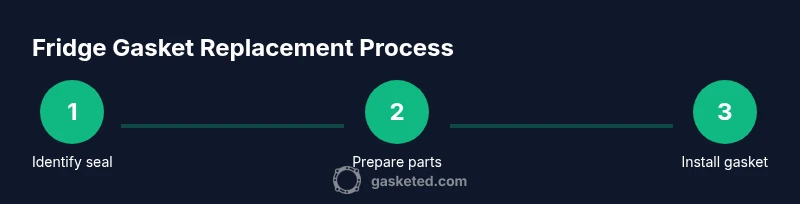
Preparation is the key to a successful gasket replacement. Start by identifying the exact seal type and obtain an exact replacement part that matches your model. Read the manufacturer’s instructions or service manual to understand any special steps. Gather the required tools and materials, such as a replacement gasket, cleaning supplies, and a mild lubricant. Before removal, take clear photos of the gasket’s seating, alignment, and any fasteners. This helps you reinstall the new seal precisely in the same position. If you’re replacing a fridge door gasket, you’ll typically remove the old gasket starting at one corner and gently work your way around the door, snapping the new gasket into the channel. For toilets or other plumbing seals, you may need to drain the area and carefully lift the old seal, then clean the groove to prevent future leaks. Finally, test for leaks after installation using water or a bubble test and adjust if needed.
Step-by-step replacement workflow for a fridge door gasket
Replacing a fridge door gasket is a common DIY task that many homeowners can complete in under an hour with basic tools. You’ll begin by locating the model number and ordering the exact gasket. Once the replacement arrives, remove the old gasket by unhooking the corners and sliding it out of the channel. Clean the channel with a mild detergent and a soft cloth to remove debris or old adhesive. Align the replacement gasket at the top and squeeze it into the channel, working your way around the door until the entire gasket is seated. Finally, close the door gently to ensure even contact along the seal and test for leaks using a light load of items and a bubble test on the door edge. If the door doesn’t seal evenly, you may need to adjust the hinge alignment or re-seat portions of the gasket. Pro tip: warm up the gasket slightly with a hair dryer to improve pliability if it’s stiff after storage, but avoid overheating the plastic frame.
This is a core DIY task that can save you energy and maintain food safety when done correctly. If the gasket continues to leak after replacement, re-check part compatibility and seating or consider professional help.
Maintenance tips to extend seal life and prevent future leaks
Regular cleaning prevents grime, which can compromise seal integrity. Wipe gaskets with a mild soap solution and a soft cloth weekly, paying attention to corners and grooves where dirt tends to collect. Avoid harsh solvents that can degrade rubber or plastic over time. Inspect seals every few months for cracks, tears, or loss of elasticity; replace worn sections promptly to prevent gradual leakage. Lubricating the gasket lightly with a silicone-based sealant (as recommended by the manufacturer) can help seating and longevity, but use only products approved for your specific gasket material. Ensure door alignment is correct and that the door closes squarely; misalignment puts uneven stress on the gasket and shortens its life. If you frequently use the appliance at high humidity or with fluctuating temperatures, consider a higher-grade gasket designed for fluctuating climates.
In the kitchen, maintain an orderly layout to avoid heavy items pressing on the door. In bathrooms or laundry areas, protect gaskets from chemical exposure that can deteriorate rubber. These preventive steps extend the gasket’s life and reduce the chance of future failures.
Troubleshooting post-repair issues and long-term care
If leaks persist after replacement, re-check the fit: is the gasket fully seated in its groove? Are the corners correctly aligned, and is there any deformation at the hinge? Sometimes a new gasket must settle in; re-test after a 24-hour period. For fridge doors, verify seal integrity using a simple water test: close the door on a sheet of paper and check for resistance along the full length of the gasket. If you still see air gaps or moisture, re-check hinge alignment or consider upgrading to a higher-quality gasket. Long-term care includes documenting replacement dates, keeping spare gaskets on hand for seasonal changes, and scheduling periodic inspections to catch wear before it leaks. By following a proactive maintenance plan, you limit downtime and protect food quality, home hygiene, and energy efficiency. The Gasketed team recommends keeping a simple maintenance checklist and marking replacement dates on your calendar.
Tools & Materials
- Replacement gasket compatible with model(Verify model number on appliance label; order exact size and type.)
- Cleaning supplies (mild soap, warm water, microfiber cloth)(Used to clean channels and seating surfaces before install.)
- Flathead or Phillips screwdriver(Only if your gasket uses screws or fasteners.)
- Masking tape or painter's tape(Helpful to hold gasket in place during seating or to mark alignment.)
- Soft brush or old toothbrush(Used to clean stubborn debris from channels.)
- Silicone-based lubricant (optional)(Lightly lubricate gasket per manufacturer if recommended.)
- Hair dryer (low heat)(Warm the gasket slightly to improve pliability if stiff.)
- Gloves(Protect hands while handling edges and fasteners.)
Steps
Estimated time: 30-60 minutes
- 1
Power down and prep
Unplug the appliance or turn off the circuit breaker. Clear the area around the seal and take photos of the original alignment for reference. This helps you reinstall the gasket accurately and avoids guessing.
Tip: Taking photos from multiple angles reduces confusion during reassembly. - 2
Remove the old gasket
Gently work the gasket out of its channel by pulling from a corner and slowly working around the frame. If the gasket is snapped in place with fasteners, remove them first with the appropriate screwdriver.
Tip: Do not yank; a slow, even motion prevents frame damage. - 3
Clean the seating surface
Wipe the groove and door frame with warm soapy water to remove residue. A clean surface helps the new gasket seat evenly and prevent leaks.
Tip: Dry the area completely before installing the new gasket. - 4
Install the new gasket
Start at the top corner, align the gasket with the groove, and press it into place as you move around the frame. Ensure it sits flush without gaps.
Tip: Warm the gasket slightly with a hair dryer if it’s stiff to ease installation. - 5
Check alignment and seating
Close the door gently to confirm even contact along the entire gasket. Look for any visible folds or misalignment and adjust as needed.
Tip: If you notice a wrinkle, reseat the gasket in that area before testing further. - 6
Test for leaks
Run a quick test with a light load (or a bubble test for fridge doors) to verify a proper seal. If leaks appear, re-check seating or hinge alignment before reusing the unit.
Tip: Keep a towel nearby to catch any drips during the test.
Common Questions
Is it safe to use a refrigerator or toilet with a broken seal?
Using appliances with a broken seal can lead to energy waste, moisture intrusion, or odors. If you suspect a leak or compromised seal, address it promptly with inspection and proper replacement to restore safety and efficiency.
A broken seal can cause leaks and odors, so fix it as soon as you can by inspecting and replacing the gasket if needed.
Can I fix a gasket without replacing it?
Small cracks or deformation may be mitigated with a careful reseating or a manufacturer-approved sealant, but most durable fixes involve replacing the gasket. A damaged gasket rarely regains full integrity and is prone to recurring leaks.
If the gasket is cracked or deformed, replacing it is usually the best long-term solution.
How long does a typical gasket replacement take?
Most DIY gasket replacements take 30 to 60 minutes, depending on the type of seal and access to the area. Have parts ready and work methodically to avoid mistakes.
Most replacements take about half an hour to an hour, depending on the seal and access.
What are the signs that a replacement didn’t seal properly?
Persistent drafts, moisture around the seam, frost buildup, or regular leaks indicate the seal may not seat correctly. Recheck alignment and seating, and test again after adjustments.
If you still see leaks after replacement, recheck the seating and alignment and test again.
Should I hire a professional for a broken seal?
For complex seals, high-end appliances, or if electrical components are involved, a professional ensures correct replacement and a proper leak test. Use DIY methods for straightforward fridge door gaskets when confident.
Consider a pro for complex seals or uncertain situations; DIY works for many fridge door gaskets if you’re comfortable.
Watch Video
Key Takeaways
- Identify the seal type and verify replacement compatibility.
- Clean seating surfaces before installing the new gasket.
- Test the seal and adjust door alignment if needed.
- Regular maintenance extends gasket life and prevents leaks.
- If uncertain, consult a professional to avoid costly mistakes.