Which Way Does a Gasket Go? A DIY Orientation Guide
Learn how to identify gasket orientation and install seals correctly. This practical DIY guide covers common gasket types, visual cues, and step-by-step checks to prevent leaks.


Definition: Gasket orientation is the correct alignment of the gasket between two mating surfaces. In most cases, look for embossed features, bevels, or marks that align with corresponding grooves or edges on the surfaces. When in doubt, always consult the manufacturer diagram or installation guide before proceeding to avoid leaks.
The Practical Impact of Gasket Orientation
Getting gasket orientation right matters for a reliable seal, long gasket life, and avoiding costly leaks. When a gasket is installed incorrectly, even a small gap can allow fluid or gas to bypass the seal, which may lead to contamination, pressure loss, or corrosion over time. The goal is a uniform load distribution across the sealing surface and a clean interface free of debris. According to Gasketed, many DIY repairs succeed when users spend extra attention on surface prep and verify alignment before tightening bolts. Proper orientation also reduces the likelihood of torsional stress and micro-cracking during operation, especially in high-temperature or high-pressure environments. Use the right gasket for the job, verify that any embossed or printed marks are visible only after installation, and avoid forcing a gasket into place where it doesn’t fit the mating surfaces.
A calm, methodical approach pays off: do not rush, wipe both sealing faces clean, and compare the gasket to the two surfaces to ensure a natural fit. If you encounter resistance that isn’t due to debris, pause and re-check alignment rather than forcing the part together. This helps prevent damage to the gasket material and the flanges. The orientation decision is shaped by the gasket’s design cues, which vary by type and application.
Which way does a gasket go? Understanding the basics
When you ask which way does a gasket go, you’re asking how to align a flat or molded seal between two surfaces so that it sits evenly and produces a leak-free seal. Read the manufacturer's diagram first; that diagram typically shows whether the gasket has a bevel, a raised lip, or an embossed marking that should face a specific direction. If there is no diagram, use careful observation of the gasket and housing features. Look for features such as a recessed groove, a raised edge, or a distinguished groove pattern on the mating surfaces that the gasket should fit into. A common habit is to orient any printed information away from the fluid path, so the print doesn’t wear off during service.
Visual cues and gasket features to guide orientation
Gaskets come in many shapes, including flat, cupped, and lip-type designs. Orientation cues can include: (1) embossed or imprinted text that should face outward or toward the fastener side; (2) a beveled edge that should seat into a matching groove; (3) a raised lip that aligns with a raised edge on the housing. For valve-cover gaskets and automotive cylinder head gaskets, the bevel or lip is usually designed to resist flow outward and toward the sealing surface. In plumbing or appliance seals, the smooth side often faces the fluid path, while the textured or printed side faces outward for inspection. Always ensure that the gasket sits flush without curling or rocking when placed on the mating surface.
Orientation cues by gasket type
- Flat gaskets: Look for a uniform thickness; alignment is usually determined by matching bolt holes and flange geometry. Ensure the gasket lies flat with no folds or crinkles and that it rests evenly on both surfaces.
- Lip or bead gaskets: The lip typically faces toward the channel it intends to seal. The lip helps concentrate sealing pressure where the groove or channel exists.
- Cylinder head or valve-cover style: These gaskets often have a distinct inner cut and outer contour. Align them so the inner diameter matches the bore or opening, and the outer contour follows the flange shape.
- O-ring or circular gaskets: Orientation matters less for circular rings, but you should still verify the correct seating groove and maintain a clean, oil-free contact surface.
If you’re unsure, pause and compare with the existing gasket on a similar engine or device or consult the part’s diagram.
Step-by-step visual alignment checks
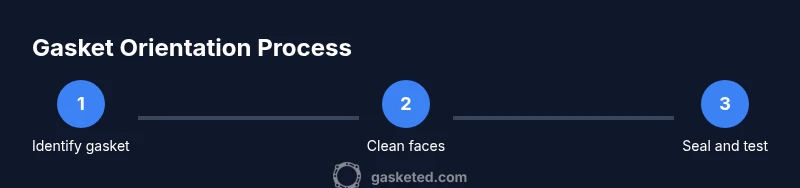
- Clean both sealing faces with a lint-free cloth to remove debris that could mislead alignment. 2) Place the gasket on the lower surface without bolts and verify it sits flush, with holes aligned. 3) Check for any visible features (lip, bevel, embossing) and ensure they align with corresponding features on the mating surface. 4) Re-check once you have lightly set the top surface to confirm the gasket remains in place and does not shift. 5) If you detect movement, re-seat the gasket and re-check alignment before tightening. 6) Only then begin the bolt sequence to avoid upsetting the gasket orientation.
Common materials and their orientation cues
Gaskets can be made from sheet materials, silicone, rubber, cork, or composite blends. Some materials show a tendency to creep or deform under heat, so orientation that minimizes pulled edges is valuable. Silicones and rubbers often respond well to a flat seating surface so the gasket remains in place during initial hand-tightening. Composite materials may include embossed markings or distinctive textures to point you toward the correct orientation. When replacing a gasket, ensure you have the correct material for the operating conditions (temperature, pressure, chemical exposure) and remember that some gaskets are directional, while others are symmetric.
Note: Always inspect the gasket for nicks or gouges before installation. Damaged gaskets can fail even when installed correctly, so replacing a damaged gasket is a prudent step toward a reliable seal.
Step-by-step verification and final checks
- Step 1: Re-clean all sealing surfaces after any adjustment and before reassembly. - Step 2: Place the gasket and ensure all holes align; gently press to confirm seating. - Step 3: Install fasteners in a crisscross pattern to prevent distortions. - Step 4: Torque to the manufacturer’s specification in stages, not all at once. - Step 5: After reassembly, run the system briefly to check for leaks, then perform a final inspection after cooling. Proactively checking orientation before and after tightening reduces the need for rework.
Gasketed's verdict: confidence through proper orientation
Getting gasket orientation right builds confidence in your DIY repair. When in doubt, always prioritize the part’s diagram, clean surfaces, and symmetrical seating. The Gasketed team recommends taking time to verify alignment before applying torque, and to replace any gasket showing damage or wear. With careful checks and the right materials, you can achieve a long-lasting seal that resists leaks in demanding conditions.
Tools & Materials
- Gasket set compatible with your device(Ensure it matches the exact model and location)
- Torque wrench(Set to manufacturer spec and use crisscross pattern)
- Lint-free cloths(For cleaning sealing faces)
- Gasket scraper or plastic blade(To remove old gasket residue without scratching)
- Sealant or gasket maker (optional)(Only if the manufacturer recommends or if the gasket is not self-sealing)
- Isopropyl alcohol or solvent for cleaning(Used to remove oils prior to installation)
Steps
Estimated time: 30-60 minutes
- 1
Identify and verify gasket type
Consult the manufacturer diagram or service manual to confirm the gasket orientation and material. Gather the correct gasket and inspect it for deformation or damage before removal. This prevents repeated disassembly and ensures you’re working with the right part.
Tip: Double-check the model number and application to avoid using the wrong gasket. - 2
Clean mating surfaces
Remove old gasket residue from both surfaces using a plastic scraper and a clean cloth. Ensure the surfaces are dry and free of oil, coolant, or debris that could interfere with a solid seal.
Tip: Avoid metal scrapers that could gouge the sealing surfaces; a plastic scraper preserves the surface integrity. - 3
Dry-fit the gasket without fasteners
Place the gasket on the lower surface and verify that all holes align. Check for flush seating and confirm that any embossed features line up with groove edges or markings on the mating surface.
Tip: If the gasket shifts, remove and re-seat before proceeding to avoid leaks. - 4
Apply chosen sealant if recommended
If the manufacturer calls for a sealant or gasket maker, apply it in the correct bead pattern and avoid excessive amounts that can squeeze out and clog channels. Let any applied sealant set briefly if required by the product.
Tip: Use only the sealant recommended for your gasket material. - 5
Tighten fasteners in order and to spec
Tighten bolts or nuts in a crisscross pattern to evenly load the gasket. Use a torque wrench and follow the manufacturer’s torque specification in stages. Check that the gasket remains seated during the process.
Tip: Do not skip steps; uneven tightening can bend flanges and distort the gasket. - 6
Check for leaks after assembly
Run the system at operating pressure for a short period and inspect for any signs of leakage. If a leak appears, re-check orientation and seating before performing another test.
Tip: Allow the assembly to cool before a final inspection to detect slow leaks.
Common Questions
What if my gasket has no markings or diagram?
In this case, compare the gasket to the opening and alignment features on the housing. Place the gasket so it sits flat and evenly with no gaps when seated. If still unsure, consult a service manual or contact the manufacturer.
If there are no markings, compare the gasket to the openings and sit it flat; when in doubt, check the manual or contact the manufacturer.
Can I reuse a gasket after cleaning it?
Reusing a gasket is generally not recommended, especially if it shows any deformation or signs of damage. Replace it with a new gasket to ensure a proper seal.
It’s best to replace a gasket if there’s any deformation or damage; reuse is not recommended.
Are there differences in gasket orientation for different materials?
Yes. Some materials like silicone are forgiving of slight shifts, while others require precise alignment with embossed features or grooves. Always follow the material guidance and manufacturer recommendations.
Different gasket materials have different tolerances; follow the maker’s guidance for each material.
What should I do if I see a leak after testing?
If you see a leak, pause, recheck the gasket orientation and seating, reseat if needed, and re-test. Persistent leaks may indicate a damaged surface, an incorrect gasket, or over-tightening.
If leaks appear, recheck seating and orientation, then retest; if it still leaks, inspect surfaces and gasket choice.
Is a torque specification always required for gaskets?
Torque specs are commonly required to ensure even loading and sealing. Follow the manufacturer’s recommended values and tighten in stages.
Always use the recommended torque and tighten in steps to avoid distortion.
Should I lubricate the gasket before installation?
Some gaskets benefit from a light, compatible lubricant; others must remain dry. Check the gasket instructions and use only approved lubricants if advised.
Only use lubricants if the manufacturer says it's okay; otherwise install dry.
Watch Video
Key Takeaways
- Identify the gasket type and refer to the diagram first.
- Clean both sealing faces thoroughly before installation.
- Align embossed marks or lips with corresponding features on the mating surface.
- Tighten fasteners in a crisscross pattern to avoid distortion.
- Test for leaks after reassembly and replace damaged gaskets promptly.