Where Is the Gasket in Freezer? Locate, Inspect, and Maintain
Learn where the freezer door gasket sits, why it matters for energy efficiency, and how to inspect and maintain it. This guide walks DIY homeowners through locating, testing, cleaning, and replacing a worn gasket to prevent frost buildup and save energy.


The gasket in a freezer is the flexible seal around the door frame, usually on the inside edge. It keeps cold air in and warm air out, preventing frost and energy waste. You’ll typically find it along the door perimeter, sometimes behind a decorative panel in newer models. If the seal looks cracked, stretched, or sticky, it may need cleaning or replacement.
Where is the gasket in freezer
If you’re asking where is the gasket in freezer, you’re not alone. The gasket is the flexible seal that runs around the door frame on the interior edge of the appliance. Its job is simple but crucial: keep cold air inside the freezer and keep warm air from creeping in. A well-sealed door prevents frost buildup, reduces energy consumption, and helps the freezer maintain accurate temperatures. The Gasketed team emphasizes that proper gasket function starts with correct installation and a clean contact surface. In most freezers, you’ll locate the gasket tracing the door opening, with the seal often visible when you pull the door away from the body. Some modern units conceal the gasket behind a removable panel for a sleeker exterior, but the seal remains immediately behind the door. By understanding its location, you can monitor wear and plan maintenance before it becomes a bigger issue.
Why the gasket matters for efficiency and frost control
The gasket is more than just a boundary; it’s the first line of defense against energy loss. A damaged gasket lets cold air escape and warm air slip in, forcing the compressor to run longer and frost to form along the interior surfaces. Over time, that extra run time increases electricity usage and accelerates wear. Regular inspection helps catch issues early and keeps your freezer running at the right temperature range. As part of our ongoing quality checks, Gasketed finds that even small gaps or surface nicks can undermine sealing performance, especially in climates with frequent door openings. Cleaning the gasket to remove grime and sticky residues can also restore a bit of that lost seal without replacement when damage is minor.
Different freezer designs and gasket layouts
Freezers come in a variety of designs, and gasket placement can vary accordingly. Traditional top- or bottom-freezers usually have a gasket that sits flush against the door frame on the interior. Side-by-sides and French-door models sometimes have a more complex seal path that flats against the door lip with multiple contact points. In newer units, the gasket may be hidden behind a decorative trim, but the actual seal remains attached to the door edge.
Understanding your model’s door geometry helps you identify where to check for distortion, tears, or compression loss. Regardless of design, the core idea is the same: maintain an airtight seal when the door is closed. The gasket should lay flat against the frame with uniform pressure and no gaps when the door is shut. If you notice uneven contact or visible warping, it may be time to assess replacement options.
How to identify common gasket problems
Common gasket issues include cracks, tears, and dryness that causes a brittle feel or a noticeable gap when the door is closed. Sticky residue and grime can also prevent a tight seal, especially along the bottom edge where moisture collects. Warping or deformation from heat exposure, sun damage, or repeated door slams can create micro-gaps that let cold air escape. If the gasket has severe cracking or chunks missing, replacement is usually the best option. A careful inspection for pliability—press the gasket inward with your finger and release—will reveal stiffness or cracking. Remember to check both the door gasket and any secondary seals around the interior compartments if your model has them.
How to test the seal at home
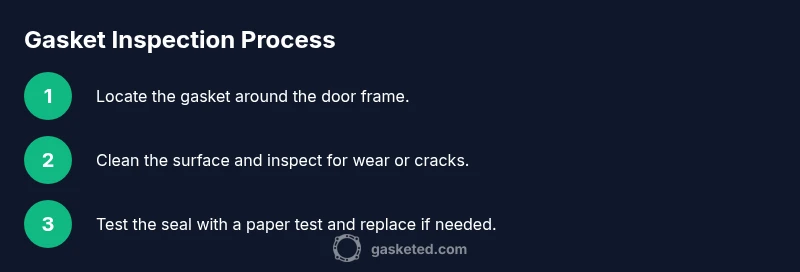
A simple at-home test can reveal whether your gasket seals properly. Close the door on a piece of paper or a dollar bill. If you can pull the paper out with little effort, the seal may be weak in that area. Repeat around the entire door perimeter, paying attention to corners and the bottom edge where wear is most common. You should feel firm resistance and slight resistance when pulling the paper along the seal. If you notice consistent slack, a re-sealing or gasket replacement could be warranted. For models with adjustable-door features, ensure the door is level and aligned, as poor alignment can mimic gasket problems. If you’re unsure, a quick checklist with a flashlight can help you spot signs of air leakage.
Cleaning and maintenance tips for the gasket
Regular cleaning helps extend gasket life and maintain performance. Disconnect power if you need to work with exposed components. Use warm water and mild dish soap to wipe down the gasket and door frame; avoid harsh solvents that can degrade rubber. Dry the gasket completely after cleaning to prevent mold growth. For sticky residue, gently scrub with a soft-bristled brush and a dilute soap solution. If you find a minor crack or deformity, clean and test again after a short cycle; if seal integrity remains questionable, plan for replacement. Keeping the gasket clean and in good condition reduces the chances of frost buildup and sudden temperature fluctuations inside the freezer.
Replacing the gasket: when and how to decide
If cleaning and minor re-sealing don’t restore a solid seal, replacement is the practical path. Choose a replacement gasket that matches your model and door type. Measure the current gasket length and mount points to ensure a snug fit. The replacement process varies by model but typically involves removing screws or clips, detaching the old gasket, and snapping the new one into place along the door lip. A proper seal should show even contact along the entire edge when the door is closed. Always unplug the appliance and follow safety precautions when handling electrical components. After installation, test the seal again with the paper method and re-check door alignment. A well-sealed freezer saves energy and reduces frost formation.
Safety and professional help considerations
Most gasket work is straightforward, but some models pose challenges due to hidden fasteners or integrated door hinges. If you lack confidence or your gasket is part of a structural door assembly, consider professional service. Replacements can be ordered by model number or door type, and a technician can verify door alignment and seal integrity. Remember, improper installation can cause leaks and potentially void warranties. Keep safety first: unplug the unit, wear eye protection if cutting is involved, and handle sharp edges with care. For complex repairs, Gasketed recommends consulting the manufacturer’s installation guide or contacting a licensed technician to ensure proper fit and performance.
Tools & Materials
- Replacement freezer door gasket(Model-specific; measure length, screw holes, and mounting method)
- Phillips screwdriver(For models with screws on the gasket frame)
- Flat-head screwdriver or plastic scraper(To pry off the old gasket without damaging the door)
- Cleaning supplies (mild soap, water, soft cloth)(For cleaning the door frame and gasket surface)
- Masking tape or painter's tape(To protect edges during installation)
- Lubricant (optional)(Light silicone lubricant on the gasket edge after installation if needed)
Steps
Estimated time: 45-60 minutes
- 1
Power down and prepare the area
Unplug the freezer and remove items from the area around the door. Protect the floor and gather tools to minimize interruptions. This ensures safety and keeps the work area clean while you inspect the gasket.
Tip: Double-check the model number to ensure you buy the correct gasket replacement. - 2
Remove the old gasket or detach the trim
If your model uses screws, remove them and gently pull the gasket away from the door. If it is clipped, release the clips starting at a corner and work around the perimeter. Take care not to bend the door panel.
Tip: Take photos as you go so you remember how the gasket is seated. - 3
Clean the contact surface
Wipe the door frame clean with warm, soapy water. Remove any old adhesive or grime that could prevent a tight seal. Dry the surface completely before proceeding.
Tip: A clean surface improves gasket adhesion and longevity. - 4
Test fit the new gasket
Position the new gasket around the door lip to confirm fit. Ensure there are no kinks or twists and that all mounting holes align with existing holes or clips.
Tip: If it doesn’t fit perfectly, adjust the gasket and recheck alignment before securing. - 5
Secure the gasket in place
Replace screws or snaps evenly, pressing the gasket into place to seat it properly. Reconnect any trim pieces and ensure the gasket sits flush along the entire edge.
Tip: Tighten screws gradually and in a staggered pattern to avoid warping. - 6
Verify seal and restore power
Plug the unit back in, close the door, and perform the paper test around the entire gasket to confirm a strong seal. Reorganize inside the freezer and monitor for frost buildup over 24–48 hours.
Tip: Keep the freezer door closed for a few hours after replacement to let the seal settle.
Common Questions
Where is the freezer gasket located on most models?
Most freezer gaskets run around the interior edge of the door frame. The exact path depends on the model, with some gaskets hidden behind trim on newer units.
The freezer gasket is typically around the inside edge of the door frame; you’ll often find it behind trim on newer models.
Can a loose gasket cause frost buildup?
Yes. A loose or cracked gasket lets cold air escape, causing frost buildup and uneven temperatures inside the freezer.
A bad gasket can cause frost because cold air leaks out and warm air leaks in.
How do I know if I need to replace the gasket?
If cleaning doesn’t restore a solid seal, if there are visible cracks or deformation, or if the paper test shows easy air passage, replacement is recommended.
If cleaning doesn’t fix it and you can easily pull a test paper out, replace the gasket.
Is self-adhesive gasket replacement reliable?
Self-adhesive gaskets can work for many models, but ensure the adhesive and gasket material match your freezer’s door design and climate conditions.
Self-adhesive can work, just make sure it fits your model and climate.
Should I unplug the freezer before inspection?
Yes. Unplugging reduces the risk of shock and protects you while you work on the door area.
Yes—unplug the freezer before you start inspecting or replacing the gasket.
Can professional help be faster or safer?
If you’re unsure about alignment, moisture damage, or hinge work, a technician can ensure a proper seal and prevent warranty issues.
If you’re unsure, a pro can ensure a proper seal and safe installation.
Watch Video
Key Takeaways
- Inspect the gasket location regularly to prevent energy waste
- Clean or replace damaged gaskets promptly for best efficiency
- Use the paper/dollar bill test to verify a tight seal
- Choose the correct gasket model and follow model-specific installation steps