How to Use K-Seal: DIY Gasket Sealer Guide
Learn how to safely apply K-Seal gasket sealer for DIY gasket repairs. This step-by-step guide covers prep, dosage, curing, testing, and maintenance for small leaks.


You will learn how to use K-Seal gasket sealer to fix minor leaks in cooling or engine systems. Start with a cold engine, choose the right variant, shake the bottle, pour the recommended amount, and run the engine to cure before testing for leaks. Required: fresh K-Seal product, PPE, and a clean working area.
What is K-Seal and when to use it
K-Seal is a commercial gasket sealer designed to seal minor leaks in cooling, heating, and some engine systems. According to Gasketed, it works by flowing into the cooling circuit or oil passages and forming a chemical bond with the leak path to create a durable seal. Gasketed Team notes that it's intended as a repair for small, temporary leaks and should not replace a proper gasket replacement for severely damaged components. Before deciding to use K-Seal, assess the leak type: a seeping coolant from the radiator, a minor oil drip near a gasket, or a transmission cooler line seepage. K-Seal is not a magic fix for major head gasket failures or large cracks. If the leak is obvious or leaking rapidly, it's safer to park the vehicle and seek professional service. Use cases typically include small pinhole leaks, cracked gaskets with low pressure, and situations where a temporary fix buys time while planning a permanent repair. When chosen correctly, K-Seal can provide a confident, DIY-friendly option that minimizes downtime.
Safety and preparation before applying K-Seal
Safety and preparation are critical when using any gasket sealer. Ensure the engine is completely cool before you begin, and work in a well-ventilated area. Wear PPE—gloves and eye protection—throughout the process. Keep tools and a waste container ready for spills. If you’re unsure about the system you’re sealing (coolant, oil, or transmission fluid), consult the vehicle manual or Gasketed’s guidance for best results. Gasketed Analysis, 2026 emphasizes that following label directions and performing a quick leak assessment will reduce the risk of unintended blockages. Having a clean workspace and a clear plan helps you avoid making a bigger mess or causing equipment damage.
How do you use K-Seal: Step-by-step overview
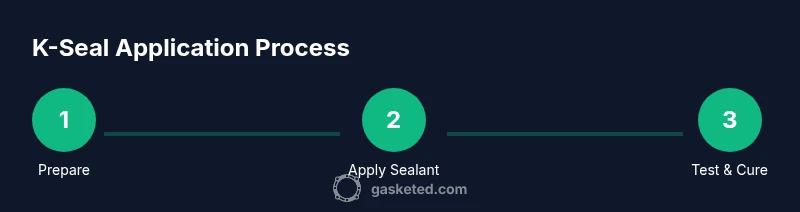
The following overview highlights the typical workflow for applying K-Seal. Always refer to the product label and your vehicle’s manual for system-specific instructions. Start with the right dosage for your system, inject through the correct port, then circulate the sealer by running the engine. After curing, recheck levels and inspect for any residual leaks. This section gives you a high-level sense of the process before you dive into the detailed steps.
Choosing the right variant and dosage
K-Seal comes in variants designed for different systems (coolant vs. oil). Choose the variant recommended for your application and measure the exact dosage according to the label. Using too much can cause air pockets or over-pressurization, while under-dosing may not seal the leak. If your leak type is uncertain, start with the lower recommended dosage and consult the manual or a professional if needed. Gasketed’s guidance suggests selecting the correct formulation is crucial for successful, durable seals.
Aftercare, curing time, and testing for leaks
After applying K-Seal, allow the system to circulate and cure as directed by the label. This often means running the engine for a set period and then letting it cool before a leak test. Top up fluids if needed after the cure and perform a careful inspection for any sign of fresh leakage. A follow-up pressure or flow test can verify that the seal remains sound. Remember that this is often a temporary fix, not a substitute for a full gasket replacement when the damage is significant.
Common mistakes and how to avoid them
Common mistakes include using the wrong variant for your system, over- or under-dosing, and attempting to seal a large or obvious leak with a sealant. Always double-check the system you’re treating and the exact dosage from the label. Avoid driving long distances with an active leak, and never mix sealants with incompatible fluids. By following the manufacturer’s directions, you reduce the risk of clogging passages or creating air pockets.
Compatibility and limitations
K-Seal is not a cure for all gasket problems. It works best on slow, minor leaks in cooling or oil systems and is less effective on large cracks or severely worn gaskets. Aluminum engine components can generally tolerate the product when used as directed, but always verify compatibility with your vehicle and fluids. For severe leaks or metal fatigue, professional gasket replacement remains the recommended solution.
Troubleshooting persistent leaks
If leaks persist after cure, recheck the dosage and ensure you followed the steps correctly. In some cases, a sealant may buy time but not resolve a major gasket issue. Refill fluids carefully and consider a professional assessment to determine whether a full gasket replacement is required. Document symptoms, leak location, and any changes in fluid levels to aid diagnosis.
Maintenance and long-term care after using K-Seal
Monitor your system for several days after application, noting any changes in coolant or oil levels and engine temperatures. Regularly check hoses, clamps, and ports for signs of seepage. If you experience repeated leaks, plan a permanent repair and consider scheduling a service appointment. Regular maintenance reduces the risk of recurrence and extends the life of the gasket system.
Tools & Materials
- K-Seal gasket sealer(Choose the variant compatible with your system and measure exact dosage per label)
- Protective gloves (nitrile)(Avoid skin contact; use snug-fitting gloves)
- Safety glasses(Eye protection recommended)
- Rags or paper towels(For spills and cleanup)
- Funnel(To pour without spills)
- Measuring cup or scale(Accurate dosage according to label)
- Distilled water / compatible coolant(Test system compatibility and prepare fluids as needed)
- Safe disposal container(Dispose of waste properly)
Steps
Estimated time: 45-90 minutes
- 1
Prepare the system and work area
Ensure the engine is cold and the area is well-ventilated. Inspect the leak source visually and consult your vehicle manual for any cautions. This step reduces the risk of burns and ensures correct sealant placement.
Tip: Wear PPE and keep a waste container nearby. - 2
Shake and measure K-Seal
Shake the bottle as directed and measure the exact dosage recommended on the label. Using too much can cause pressure buildup; under-dosing may fail to seal.
Tip: Mix only with the product specified in the instructions. - 3
Prepare the system and inject
Open the reservoir cap and pour the measured amount using a funnel to avoid spills. For oil leaks, add with the engine off and warm up later; for coolant leaks, ensure the system is not hot.
Tip: Pour slowly to prevent air pockets. - 4
Run the engine to circulate
Start the engine and bring it to normal operating temperature. Let it run for 15-30 minutes to circulate the sealer and contact the leak path.
Tip: Do not rev the engine aggressively during cure. - 5
Cool, inspect, and top up if needed
Turn off and allow the engine to cool. Check for leakage; top up fluids if necessary and re-check after a short drive.
Tip: Record fluid levels before and after. - 6
Plan a permanent fix if leaks persist
If leaks persist after curing, treat K-Seal as a temporary fix and arrange a proper gasket replacement or professional service.
Tip: Do not rely on sealant for major gasket failure.
Common Questions
Can K-Seal fix a blown head gasket?
K-Seal is designed for minor leaks in cooling or oil systems and should not be relied on for a severely blown head gasket. If the leak is large or the engine shows loss of compression, seek professional assessment.
K-Seal is for small leaks and not a fix for a blown head gasket. See a mechanic for major failures.
Is K-Seal safe for aluminum engines?
When used as directed and with the correct dosage, K-Seal is generally safe for aluminum engines. Always check the product label and your owner’s manual.
It's generally safe for aluminum engines if used per the directions.
Do I need to drain coolant before use?
You may need to drain or partially drain coolant to add K-Seal if using coolant system as directed by the product. Follow the label and local safety guidelines.
Often you’ll add K-Seal without a full drain, but follow the label.
How long does curing take?
Curing time varies by product and system but typically requires engine run time and a cooling period. Refer to the label for specific timing.
Curing time depends on the product and system; check the label.
Can K-Seal clog the radiator or passages?
If used as directed and within dosage, K-Seal should not clog passages. Avoid overuse and flushing to verify flow.
When used correctly, it shouldn’t clog, but don’t overdo it.
Can I reuse an opened bottle?
Opened bottles may have reduced shelf life; seal tightly and store as recommended. Do not use if the product has changed color or texture.
Only reuse if the product is unopened and within shelf life.
Watch Video
Key Takeaways
- Identify the leak type and follow the label precisely
- Use the correct K-Seal variant for your system
- Allow proper curing time and test for leaks
- If in doubt, consult a professional