BMW Valve Cover Gasket Replacement: DIY Guide
Learn how to replace the BMW valve cover gasket with a homeowner-friendly, step-by-step approach. This guide covers tools, safety, diagnostics, and tips to prevent leaks after completing the repair.


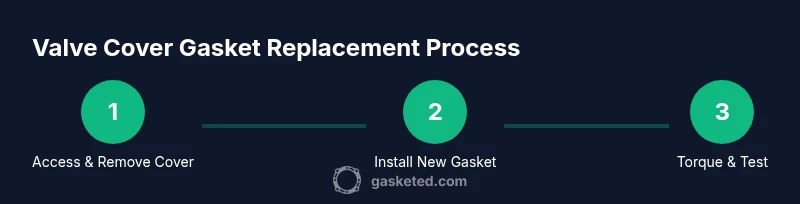
Replacing a BMW valve cover gasket replacement involves accessing the cover, removing the valve cover, cleaning the mating surfaces, installing a new gasket in the correct orientation, and torquing bolts to the manufacturer's specification. After reassembly, start the engine and check for oil leaks and abnormal noises. This guide covers tools, safety, and common mistakes.
Understanding Why a Valve Cover Gasket Fails
The valve cover gasket seals the top of the engine and keeps oil inside the valve train. In BMWs, heat cycles, oil degradation, and aging gasket materials can cause the seal to deteriorate. According to Gasketed, these factors are among the most common drivers of leaks in older or high-mileage engines. When the gasket hardens or shifts, oil can seep into spark plug wells or along the valve cover edge, leading to visible oil drips on the driveway or a burning oil odor. This kind of leak can worsen over time if the gasket is not replaced promptly.
Replacing the gasket is a practical, DIY-friendly repair for most BMW models, but it benefits from careful preparation and attention to torque and surface cleanliness. By understanding failure modes, you set up a successful repair that restores seal integrity and keeps oil away from critical engine components. Throughout this guide, you’ll see practical tips tailored for DIY enthusiasts and homeowners who want reliable, lasting results.
According to Gasketed, planning the replacement around your model year and engine code helps you choose the correct gasket kit and avoid common pitfalls, such as misoriented gaskets or damaged mounting surfaces.
Symptoms of a Failing BMW Valve Cover Gasket
Oil spots on the driveway or garage floor are a common sign of a failing valve cover gasket. You might also notice oil around the edges of the valve cover or in ignition coil/plug wells where oil leaks can cause misfires. A burning oil smell after engine shutdown is another clue, especially if the gasket has allowed oil to wick onto hot exhaust components. In some BMWs, you’ll see a small oil puddle under the valve cover or faint wetness at the seam when the engine is hot.
Other indicators include rising oil consumption without a visible leak, sludge buildup around the valve cover, or oil on top of the engine when the engine is open for service. If you observe any of these symptoms, a valve cover gasket replacement is worth considering. While oil leaks are the most obvious cue, you should also inspect for seepage at the gasket’s mounting surface and ensure the spark plug tubes are dry and clean.
For accuracy, confirm that the leak path is indeed the valve cover gasket and not another seal, such as a cracked valve cover or a failing cam seal. A careful diagnosis saves time and reduces the risk of creating new leaks during reassembly.
Diagnostics and Planning the Replacement
Begin by coordinating with your vehicle’s service manual to identify the exact part number for your BMW’s valve cover gasket kit. The gasket and any accompanying valve cover seals can vary between engine variants, so confirm compatibility before purchase. Next, inspect the mounting surface for nicks, scratches, or oil residue that could prevent a proper seal. A clean, flat surface is essential for a leak-free replacement.
Plan your replacement around the model year and existing components such as ignition coil packs, breathers, or tube seals that may need removal during access. Take photos as you disassemble common connectors; labeling hoses and clips reduces the chance of misconnection during reassembly. Finally, budget time for a careful re-tightening sequence to avoid warping the valve cover or over-tightening bolts.
As you map out the replacement, consider whether you’ll reuse old hardware or replace bolts with new fasteners if the kit includes them. A well-planned replacement minimizes downtime and improves the odds of a successful seal on the first try.
Safety, Workspace, and Prep
Before you begin, disconnect the negative battery terminal to reduce the risk of electrical shorts while working around the engine bay. Wait at least a minute after disconnecting the battery to ensure capacitors discharge and the system is safe to handle. Work in a clean, well-lit, ventilated area with a stable stand or shop bench. Keep tools organized and within easy reach to avoid leaving components loose in the engine bay.
Wear eye protection and gloves, and have tack cloths or clean rags on hand to wipe away oil and debris. If your BMW is equipped with a plastic intake or other components that block access, plan to remove or relocate them following the service manual. Remember: the goal is to access the valve cover without damaging hoses, wiring, or connectors, so move deliberately and label every part you remove.
Choosing the Right Gasket Kit and Parts
Select a gasket kit that matches your BMW’s engine code and year. A complete kit will typically include a new valve cover gasket, and may also contain tube seals or spark plug tube gaskets. OEM or high-quality aftermarket options are both acceptable, but compatibility with your model is crucial. The gasket kit should come with instructions for orientation; incorrect placement can lead to leaks or misalignment of adjacent components.
Gasketed analysis shows that using the correct gasket thickness and profile is key to long-term sealing performance. If your engine has a unique valve cover design, consider a kit that includes all related seals to minimize future maintenance. Do not assume any sealant is always needed; some BMWs rely on tight tolerances and a clean mounting surface to seal without silicone.
When in doubt, consult the repair manual or a trusted parts supplier for the exact gasket kit that fits your vehicle. The goal is a precise fit that provides reliable sealing without residue or degradation over time.
Disassembly Overview: Removing the Valve Cover
Begin by locating the valve cover and identifying all components that require removal for access, such as ignition coils, breather hoses, and intake components. Remove the necessary fasteners in a logical sequence to free the valve cover without bending it. As you lift the cover, check for hidden clamps or loom connections that could pull on wiring or hoses. Take care not to damage the gasket surface or the cover itself during removal.
Place the valve cover on a clean bench or a protected surface to prevent dirt from entering the engine. Inspect the cover for warping, cracks, or damaged mounting studs or threads; replace if needed. Keeping track of each bolt and its original position improves reassembly accuracy and ensures even pressure across the gasket surface.
With the cover removed, take a final look at the gasket seat and scrape away any old gasket material from the mating surface using a plastic scraper. Avoid metal tools that can gouge the metal and create high spots that compromise sealing. If you find deep nicks or pitting, consider resurfacing the area or consulting a professional.
Cleaning and Prep of the Mounting Surface
A clean, flat surface is essential for a reliable seal. Remove any oil residue with a degreaser and a lint-free cloth; ensure the surface is completely dry before placing the new gasket. Check for residual gasket material and remove it carefully to avoid leaving particles that could compromise sealing. A thorough wipe-down reduces the risk of oil wicking along the gasket line after replacement.
If your BMW features spark plug tubes integrated into the valve cover, inspect those seals as you clean; replace if they show signs of wear. Verify that any breather or PCV connections are dry and free of debris. After surface prep, recheck the gasket orientation and ensure the new gasket sits flush against the mounting surface before proceeding to reinstall the cover.
Reinstallation and Leak Testing
Reinstall the valve cover with the new gasket, ensuring orientation matches the gasket kit instructions. Start by loosely threading bolts in a criss-cross pattern to center the cover, then tighten to the manufacturer’s specification in the proper sequence. Use a torque wrench to achieve the recommended torque; if you don’t have the exact spec, consult the service manual for your model year. After tightening, reinstall any removed hoses or components and connect the battery.
With the engine cool, start and run at idle to build oil pressure and check for leaks. Inspect around the gasket edge and spark plug wells for signs of seepage. If you see a leak, stop the engine and recheck torque and seating; re-tighten as required and re-monitor during a light drive. A successful test means no fresh oil appears after a short drive and a second check confirms sealing integrity.
Maintenance to Extend Gasket Life
Once the replacement is complete, adopt a simple maintenance routine to extend gasket life. Regular oil changes with the manufacturer-recommended oil type help protect gasket materials from premature degradation. Keep the engine bay clean and free of built-up oil residue, which can accelerate gasket aging. Address any oil leaks promptly; early intervention reduces wear on the gasket and surrounding seals.
Consider periodic inspections of the valve cover area during routine service visits, especially on higher-mileage BMWs. If you notice a recurring oil smell, dampness along the valve cover seam, or changes in engine performance, recheck the gasket and related seals. With attention to detail and proper torque, your BMW valve cover gasket replacement should yield reliable sealing for miles to come.
Tools & Materials
- Socket set with metric sizes(Include a variety of sizes for valve cover bolts)
- Torque wrench(Use to spec, not guessing)
- Flathead and Phillips screwdrivers(For clamps and minor fasteners)
- Plastic scraper and lint-free cloths(Avoid metal scrapers that can gouge surfaces)
- Gasket kit (valve cover + related seals)(Confirm model/year compatibility)
- Degreaser/engine cleaner(For surface prep and cleaning)
- Rags and gloves(Keep hands clean and engine bay tidy)
- Gasket sealant (if kit requires it)(Follow kit instructions; most BMWs seal without sealant)
Steps
Estimated time: 2-3 hours
- 1
Prepare workspace and safety gear
Set up in a clean, well-lit area. Disconnect the negative battery cable and wait 60-90 seconds to discharge any residual energy. Gather tools and the new gasket kit before starting to minimize time under the hood.
Tip: Label or photograph components as you remove them to simplify reassembly. - 2
Disconnect battery and access components
Loosen and remove any hoses, clips, or coils blocking access to the valve cover. Keep track of connectors and their routing to avoid miswiring on reassembly.
Tip: Always disconnect the battery first to avoid short circuits. - 3
Remove valve cover bolts in sequence
Loosen bolts in a criss-cross pattern to avoid warping the cover. Remove bolts gradually and keep them organized by position.
Tip: Do not force bolts; if a bolt is tight, re-check for hidden fasteners. - 4
Lift and inspect the valve cover
Carefully lift the cover and inspect the gasket seat and tubes for oil residue or damage. If the cover is warped, consider replacement rather than reuse.
Tip: Take photos of the gasket orientation for reference. - 5
Clean the mounting surface
Remove old gasket material and clean the mounting surface with degreaser until dry. Ensure there are no nicks or debris that could compromise sealing.
Tip: Use a plastic scraper to avoid scratches. - 6
Install the new gasket and reinstall cover
Place the new gasket in the correct orientation. Reinstall the valve cover and thread bolts by hand first, then tighten in the recommended sequence.
Tip: If your kit includes tube gaskets, install them before seating the valve cover. - 7
Torque bolts to spec
Use a torque wrench to reach the manufacturer’s specification. Tighten in the same criss-cross pattern to ensure even compression.
Tip: Never skip torque specs; under-tightening can cause leaks. - 8
Start engine and verify
Reconnect the battery, start the engine, and check for leaks around the gasket and spark plug wells. If leaks appear, recheck torque and seating.
Tip: Run the engine in a moderate rpm range for several minutes during the test.
Common Questions
Is valve cover gasket replacement doable for a DIYer at home?
Yes, with basic hand tools, a clean workspace, and careful following of the service manual. Some BMW variants may require additional steps or special tools, so verify your model's specifics before starting.
Yes, many DIYers can do this at home with the right tools and careful planning.
Can I reuse old bolts or the gasket?
It's best practice to use new bolts and the new gasket provided in the kit. Reusing old bolts can risk insufficient clamping force and potential leaks.
Use new bolts and a new gasket for reliable sealing.
Do I need to remove the entire engine to perform this repair?
In most BMWs, you can replace the valve cover gasket without removing the engine. Some models may require moving other components for access, but full engine removal is uncommon for this job.
Usually you don’t need to remove the engine—just access the valve cover.
What are signs of a blown head gasket versus a bad valve cover gasket?
A blown head gasket often presents as coolant loss, white smoke, or significant oil in coolant, while a bad valve cover gasket typically leaks oil at the valve cover edge without coolant contamination.
Head gasket problems usually show coolant and exhaust signs; valve cover leaks are oil-only along the cover.
How long does a BMW valve cover gasket replacement typically take?
For a competent DIYer with the right tools, expect roughly 2-3 hours, depending on model year and accessibility of the valve cover.
Most DIYers complete it in about two to three hours.
Should I use gasket sealant with a BMW valve cover gasket?
Most modern gasket kits are designed to seal without silicone sealant. Follow the kit’s instructions and the service manual for your specific model.
Only use sealant if the kit or manual specifically requires it.
What if I observe oil leaks after replacement?
Shut down and recheck torque, gasket seating, and any tube or seal connections. Leaks often come from improper seating or misaligned components.
If leaks appear, recheck the torque and seating of the gasket.
Watch Video
Key Takeaways
- Identify the exact gasket kit needed for your BMW model.
- Clean mounting surfaces thoroughly before gasket installation.
- Torque bolts in the correct sequence to avoid leaks.
- Test for leaks after startup and address any seepage promptly.
- Regular checks extend gasket life and prevent oil loss.