How to Fix a Fridge Gasket: A DIY Repair Guide
Learn how to fix gasket on fridge with a practical, step-by-step approach. Inspect, clean, reseat, or replace the seal to stop leaks and improve energy efficiency.


This guide shows how to fix gasket on fridge with a clear, step-by-step method. You’ll inspect, clean, reseal, and replace a worn door gasket to stop leaks and save energy. Gather basic hand tools and a replacement gasket if needed, then follow safe, practical steps for a reliable seal.
Why a Fridge Gasket Fails and Why It Matters
A failing fridge gasket is more than a nuisance; it is a signal that your refrigerator is working harder than it should. When the door seal does not close tightly, cold air escapes, the compressor runs longer, and energy bills creep upward. In a kitchen that moves fast, a leaky gasket can also lead to frost buildup inside the evaporator or excessive moisture around the fridge door. If you’re asking yourself how to fix gasket on fridge, this section explains the typical failure modes and why quick action matters.
Most gaskets are made of flexible rubber or silicone. Over time, repeated opening and closing, exposure to minor spills, and temperature swings can dry out the edge, crack at the corners, or sag away from the door frame. You may notice visible tears, a gummy feel, or an edge that sits a little higher on one side. Even corners that look intact can lose their grip if the mounting screws or hinges have shifted. A gasket that is misshapen or out of square won’t seal properly, allowing warm air to creep in and cool air to escape.
Before you reach for a replacement, take a moment to observe how the door closes. Does it lure closed with a soft tap or slam shut and bounce back? Is there condensation along the gasket when the door is closed? These are indicators that the seal may be compromised. The good news is that many issues are fixable with basic steps, whether you simply need a thorough cleaning or a careful re-seating. This is particularly relevant to the DIY readers of Gasketed, who are looking for practical, cost-conscious solutions and want to avoid needless waste.
Assessing Your Gasket: Visual Checks and Measurements
A careful assessment is the foundation of any successful gasket repair. Start with a visual inspection of the entire gasket profile: look for cracks, tears, stiffness, or brittle edges. Run your fingers along the seam to feel for hard spots or gaps where the seal no longer contacts the door. Compare the gasket path with its opposite side; misalignment can indicate loose hinges or a warped door frame.
Measure the gasket height and thickness at several points along the perimeter. A sagging edge or a gasket that sits too far from the door frame is a sign that it’s no longer providing a tight seal. If you have an older refrigerator, you may notice the gasket hardens with age and becomes less flexible. In some cases, the entire door may sit unevenly, which means you’ll need to check the door alignment in addition to the gasket condition. The goal of this step is to decide whether cleaning, reseating, or replacement is required. Note any areas where the seal looks sticky or tacky; these regions can trap grime and reduce sealing efficiency over time.
Cleaning and Conditioning: Prepare for Repair
Cleaning the gasket surface and the channel it sits in is a prerequisite for a reliable fix. Begin by unplugging the unit for safety, and then wipe the gasket with a mild detergent solution or rubbing alcohol to remove oils, grease, and residue. Avoid harsh solvents that can degrade rubber, and never use metal scrapers that could gouge the sealing edge. After cleaning, thoroughly dry the gasket with a soft microfiber cloth and let the surface air-dry for a few minutes.
Conditioning the gasket edges can also improve sealing during a reseat. Some DIYers apply a thin, food-safe silicone or a manufacturer-recommended gasket conditioner to restore pliability. Do not apply too much; a light coating helps ensure the edge remains supple without creating a slick surface that would interfere with the seal. Take this time to inspect the gasket mounting channel inside the door frame; if the channel is cracked or deformed, you’ll want to address those issues before reinstalling the gasket.
If the refrigerator sides or door have frost buildup near the seal, gently defrost the area with a warm, damp cloth. Excess moisture can interfere with the adhesive or seating when you install a replacement gasket, so ensure everything is dry before proceeding.
When to Repair vs. Replace: Choosing the Right Path
Repair versus replace is often a question of cost, time, and the extent of wear. Minor nicks, slight edge lifting, or a gummy scent are typically addressed with cleaning, reseating, or conditioning. If the gasket shows deep cracks, multiple tears, or stretches excessively when the door is opened, replacement is usually the best option. Warped door frames or misaligned hinges can complicate sealing even with a new gasket, so you may need to adjust the door as well.
Keep in mind that not all gaskets are created equal. Some brands use specialized lip designs or heat-resistant materials; using an aftermarket gasket that doesn’t match the original geometry can lead to poor fit and reduced energy efficiency. If you’re unsure about compatibility, check the model number on your fridge’s label and refer to the manufacturer’s replacement recommendations. Budget-conscious DIYers often find that replacing the gasket yields the most durable seal, while those with older, energy-inefficient units may benefit from a more comprehensive door alignment check.
Step-by-Step Repair Process: From Inspection to Test
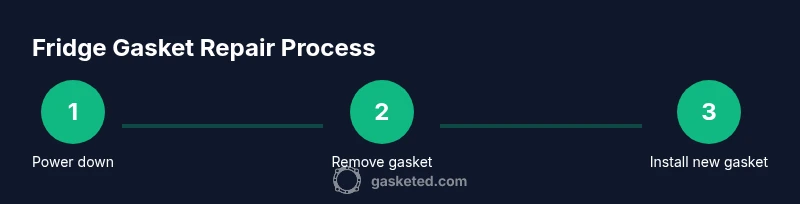
This section outlines a practical sequence you can follow, focusing on outcomes, not mere actions. The process begins with verifying the power supply and preparing your workspace. Then you will remove the old gasket, clean the channel, and either reseat or install a replacement gasket. After installation, test the door for a tight seal and monitor temperature stability to be sure the fix sticks.
- Inspect and unplug: Confirm the fridge is disconnected and clear the door area. This reduces shock risk and prevents short circuits during any repair.
- Remove the old gasket: Use a screwdriver to loosen mounting screws if applicable, then peel away the gasket from the channel with care to avoid damaging the frame.
- Clean the channel and gasket surface: Wipe the seal contact surfaces and the internal channel with alcohol or mild soap; ensure all debris is removed to prevent misalignment.
- Decide on replacement: If the edge remains stiff or torn, install a new gasket that matches the model. Align the gasket lip with the door edge and press evenly around the perimeter.
- Install and reseat: Start at one corner and work around the door; confirm there are no gaps. Use a consistent pressure to ensure a snug fit.
- Test and adjust: Close the door firmly and verify a tight seal by checking for minimal air flow or frost near the seal. Re-seal any loose areas with gentle pressure.
If you notice persistent leaks after reseating, recheck the hinge alignment and door frame for warping. In some cases, a replacement hinge or door alignment correction is required for a proper seal. Allow the gasket to settle for a few hours before relying on constant cooling readings.
Common Pitfalls and Troubleshooting
DIY fridge gasket repair is forgiving, but there are a few well-worn mistakes to avoid. Do not over-tighten screws; excessive compression can distort the gasket and distort the door. Avoid using metal tools to pry or cut; these can gouge the lip and create new leaks. Do not rely on an adhesive that isn’t rated for cold zones; gaskets experience temperature extremes, and the wrong sealant can fail in a matter of days. Finally, do not skip testing after installation; a short heat test or a simple frost check confirms whether the seal performs as intended.
If the door still leaks after installation, check for door alignment issues. A misaligned door can crush the gasket unevenly and create gaps at the corners. Recalibrate the hinges according to your refrigerator’s manual, then re-test. For stubborn leaks, consider seeking professional help to inspect the door frame and the mounting hardware.
Maintenance Tips to Extend Gasket Life
The best way to extend gasket life is to adopt a simple maintenance routine. Clean the gasket monthly to remove grime that can corrode the lip, and inspect for cracks or hardening every few months. Keep the door closed gently; avoid slamming, which can warp the gasket or unseat it from the frame. Ensure the door closes evenly by checking alignment with a straight edge or level; misalignment accelerates seal wear. If you notice persistent wear, replacing the gasket before the next energy-efficiency retrofits can save you money in the long run. Finally, keep the interior clean and dry near the seal to prevent molding and odors that could compromise the gasket over time.
Tools & Materials
- Screwdriver set (Phillips and flathead)(For removing mounting screws if present)
- Replacement fridge gasket(Only if the old gasket is damaged)
- Rubbing alcohol or mild detergent(For cleaning the gasket and channel)
- Soft microfiber cloths(Non-abrasive wiping)
- Gasket conditioner or food-safe silicone (optional)(To restore pliability on stiff edges)
- Masking tape(For holding gasket temporarily during seating)
- Safety gloves(Protect hands during handling)
- Measuring tape or ruler(Optional for assessing door/frame alignment)
- Non-scratch scraper (plastic)(To remove debris without scratching channel)
Steps
Estimated time: 45-75 minutes
- 1
Power down and prep workspace
Unplug the fridge and clear the surrounding area. This keeps you safe and reduces risk of short circuits while you work. Gather the materials you’ll need and ensure the door area is unobstructed for easy access.
Tip: Keep a flashlight handy to inspect the gasket edge under the hinges. - 2
Remove the old gasket
Carefully detach the gasket from the door frame. If screws are present, loosen them evenly and work in small sections to avoid warping the door. Note orientation for reinstallation.
Tip: Take a photo or note which side the gasket lip sits on before removal. - 3
Clean the channel and gasket surface
Wipe the gasket edge and the door-channel with alcohol or mild soap. Remove all grime and residue that could hinder seating. Ensure everything is completely dry before proceeding.
Tip: A dry surface helps new gasket adhesion and seating. - 4
Decide on replacement vs reseat
If the edge is cracked or stretched beyond repair, install a replacement gasket that matches your model. If it’s intact, aim to reseat and clean thoroughly to restore the seal.
Tip: Choose an OEM or model-matched gasket for best fit. - 5
Install and reseat the gasket
Begin at a corner and work around the door, pressing evenly to seat the lip into the channel. Check for gaps and ensure the entire perimeter makes contact with the frame.
Tip: Do not force the gasket; if it resists, recheck alignment rather than forcing fit. - 6
Test the seal and adjust
Close the door firmly and monitor for air flow or frost near the seal. If needed, tweak hinge screws or door alignment to eliminate gaps.
Tip: A simple balloon test (watch for airflow) helps confirm a good seal. - 7
Final check and clean up
Wipe away any residue, reconnect power, and observe the fridge for several hours. Confirm the door stays sealed and temperatures stabilize.
Tip: Record the date of the repair for future reference.
Common Questions
What are common signs that a fridge gasket needs replacement?
Look for visible cracks, tears, or gaps along the gasket. If the door doesn’t seal firmly or you notice condensation and frost near the seal, replacement is often needed. Persistent leaks after cleaning indicate wear beyond simple reseating.
Common signs include cracks, gaps, and persistent leaks even after cleaning.
Can leaks be caused by door alignment rather than the gasket?
Yes. A misaligned door can cause gaps even with a new gasket. Check hinge tightness and door alignment, and adjust per the manufacturer’s instructions before deciding on gasket replacement.
Sometimes a misaligned door causes leaks, not the gasket itself.
Is DIY gasket repair safe for all fridges?
For most household fridges, a gasket repair is a safe DIY task if you follow basic safety steps: unplug the unit, use the right tools, and avoid harsh chemicals. If the fridge is under warranty or has unusual wiring, consult a professional.
It’s usually safe if you unplug first and follow the steps carefully.
What tools are essential for fridge gasket repair?
Essential tools include a screwdriver, replacement gasket (if needed), rubbing alcohol or mild detergent, soft cloths, and safety gloves. Optional items like gasket conditioner can help with stiff edges.
Have a screwdriver, clean cloths, and a replacement gasket if needed.
How long does a gasket replacement typically last?
A well-fitted gasket made from quality material can last several years with proper care. Wear depends on door usage, temperature changes, and how well the door stays aligned.
A good gasket should last for years with proper care.
What if the door won’t seal after replacement?
Re-check gasket alignment and door hinge conditions. If the seal still fails, inspect the door frame for warping and consider professional evaluation for the hinges or frame.
If sealing fails, check alignment and hinges; consider a pro evaluation.
Watch Video
Key Takeaways
- Inspect before replacing to save costs.
- Clean channels and edges for reliable seating.
- Choose correct gasket size and type for best fit.
- Test seal thoroughly after installation.
- Regular maintenance extends gasket life.