How to Clean Refrigerator Gasket: A DIY Guide
Learn to safely clean your refrigerator gasket with mild soap, avoid harsh chemicals, and maintain a tight seal to prevent leaks and odors. This guide covers tools, technique, and maintenance for DIY gasket care.


To clean a refrigerator gasket, start with a gentle soap solution and a soft cloth to wipe away grime from the door seal. Use a soft brush for folds, rinse with water, and dry thoroughly. Check the door seal for damage; if cracks persist, consider replacement rather than forceful cleaning.
Why Cleaning the Refrigerator Gasket Matters
A clean refrigerator gasket is essential for a tight seal, which keeps cold air inside and protects food freshness. Over time, moisture, food splashes, and occasional mold can accumulate in the gasket folds, creating odors and reducing door efficiency. Regular cleaning helps prevent gaps that cause frost buildup, energy waste, or leaks. For DIY homeowners, a quick wipe-down is often enough to restore the gasket’s performance, extend its life, and save on energy bills. In this guide, we’ll focus on safe, practical methods that avoid harsh chemicals and preserve gasket material.
Safety First: What Not to Do
Never use bleach, paint thinner, or abrasive scrubbers on rubber gaskets. Strong solvents can degrade the gasket, leading to cracks and leaks. Always unplug the fridge or switch off its power at the outlet before cleaning to avoid electrical hazards and water exposure around electrical components. If mold is present beyond the gasket surface or behind it, consider consulting a professional or replacing the gasket. Work in a well-ventilated area and avoid soaking the door seal, which can warp the material.
What Dirt Looks Like in Gasket Folds
Gasket areas collect a mix of soap scum, dried food residues, moisture, and occasionally slimy buildup. The folds and flanges trap debris where the door closes, so grime can seem invisible until you inspect closely. Grease from spilled foods can cling to rubber, attracting more dirt. Signs cleaning is needed include musty odors, visible residue, and occasional condensation forming near the door. Regular attention helps prevent mold and keeps the seal flexible.
Cleaning Approach: Cleaners, Tools, and Technique
For most refrigerators, a mild dish soap solution and warm water work well. Distilled water can reduce mineral deposits, especially in hard water areas. Use a soft microfiber cloth or sponge to wipe the gasket surface, and a soft-bristled brush for hard-to-reach folds. Avoid abrasive pads that can scratch or abrade the rubber. If you want to sanitize lightly, a diluted vinegar solution (1:1 with water) is acceptable after testing a small area; never use bleach on rubber. Wipe, rinse with clean water, and dry thoroughly with a lint-free towel.
Step-by-Step Cleaning Routine Overview
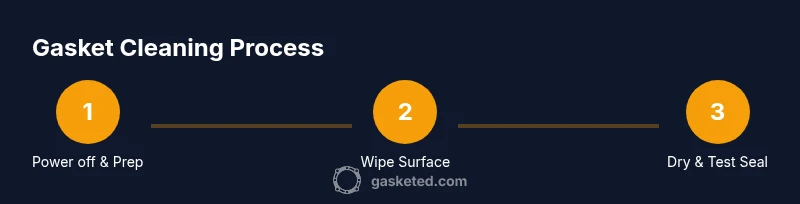
This section provides a practical workflow you can follow during your cleaning session. Start with safety, then surface wipe, then targeted fold cleaning, followed by a thorough rinse and dry. Finally, test the seal by closing the door and observing performance. Refer to the detailed step-by-step instructions in the next block for precise actions and timing.
Maintenance and Prevention
Set a regular cleaning cadence to prevent buildup: quick weekly surface wipes and a more thorough monthly wipe-down. Inspect the gasket for cracks or hardening every few months. Keep the area around the door clean and dry, avoid slamming the door, and ensure the fridge is level so the seal meets evenly. Proper humidity control can also help preserve gasket pliability.
Authoritative Sources
- https://www.energy.gov
- https://www.epa.gov
- https://www.consumer.ftc.gov
Troubleshooting and Next Steps
If cleaning improves the seal but odors persist, consider replacing the gasket or seeking professional help. If you notice persistent leaks after cleaning, inspect for warping or substantial wear, and replace the gasket if needed. For complex issues behind the gasket, consult the appliance manual or a qualified technician.
Tools & Materials
- Microfiber cloth (soft, lint-free)(Use for surface wiping without leaving fibers)
- Mild dish soap(Dilute in warm water (1-2 drops per cup of water))
- Soft-bristled brush(Reach folds and grooves without abrasion)
- Bowl of warm water(For rinsing cloth and cloth-wiped areas)
- Spray bottle (optional)(For applying cleaning solution more evenly)
- White vinegar (optional)(Dilute 1:1 with water if sanitizing; test first)
- Dry towel or air-dry method(Ensure gasket is completely dry to prevent mold)
Steps
Estimated time: 25-40 minutes
- 1
Power off
Unplug the fridge or switch it off at the outlet to ensure safety while cleaning. Move items away from the gasket area so you can access all sections. This reduces the risk of electric shock and makes cleanup easier.
Tip: Keep the door closed briefly after unplugging to avoid moisture exposure to interior components. - 2
Inspect gasket
Visually inspect the gasket for cracks, tears, or significant wear. If you see deep cracks or a major loss of elasticity, plan for gasket replacement rather than attempting a repair.
Tip: Check both the door seal and the stationary frame contact point for evenness. - 3
Wipe the surface
Dip the microfiber cloth into the mild soapy solution and wipe the gasket surface, focusing on the flat areas. Avoid soaking the gasket—excess moisture can seep into the hinge area.
Tip: Use circular motions on flat surfaces to lift grime without stretching the rubber. - 4
Clean folds and grooves
Use the soft-bristled brush to gently scrub folds and grooves where debris collects. Rinse the brush frequently to prevent re-depositing dirt.
Tip: Work from the outside edges toward the center to prevent debris from returning to cleaned areas. - 5
Rinse and dry
Wipe away soap residue with a clean, damp cloth, then dry the gasket thoroughly with a lint-free towel. Leave the door open for a few minutes to ensure complete evaporation.
Tip: A dry gasket seals better; avoid leaving it damp for extended periods. - 6
Test the seal
Close the door gently and note whether the seal sits evenly along the edges. If you see gaps or the door doesn’t feel taut, recheck the gasket alignment or plan replacement.
Tip: A simple test is to place a piece of paper between the door and gasket and see if it slips out easily when closed.
Common Questions
Do I need to remove the gasket to clean behind it?
Usually you can clean the surface without removing the gasket. If you suspect mold or mildew behind the gasket, consult the manual or a professional before attempting removal.
In most cases you don’t have to remove the gasket; cleaning the surface is enough, but seek professional help if you notice mold behind it.
How often should I clean the gasket?
A quick wipe-down every 1-2 weeks keeps grime from building up, with a deeper cleaning every 1-3 months depending on use and spill frequency.
Clean the gasket every few weeks with a quick wipe, and do a deeper clean every few months as needed.
Can I use vinegar to disinfect the gasket?
Yes, a diluted vinegar solution is generally safe on rubber. Test on a small area first and avoid using strong concentrations or bleach.
Diluted vinegar can help disinfect, but test a small area first and avoid bleach.
What if the gasket has cracks or tears?
Cracks or tears mean the gasket should be replaced. Cleaning won’t restore a damaged seal, which can lead to leaks and energy waste.
If you see cracks or tears, plan a gasket replacement rather than trying to fix it.
Will cleaning fix leaks?
If leaks persist after cleaning, check gasket wear, door alignment, and level. Cleaning alone may not resolve leaks caused by worn or misaligned seals.
Cleaning helps, but if leaks persist, inspect wear and alignment and consider replacement.
Watch Video
Key Takeaways
- Inspect gasket regularly for wear.
- Use mild cleaners and avoid harsh chemicals.
- Clean folds with a soft brush to remove hidden grime.
- Dry thoroughly to prevent mold and odors.
- Replace a cracked or permanently worn gasket, not just clean it.