Rear Differential Gasket Replacement: A DIY Guide
A practical, DIY-friendly guide to rear differential gasket replacement, covering leak causes, required tools, step-by-step actions, safety, and how to verify a reliable seal.


Master the repair: this guide walks you through rear differential gasket replacement, from safety prep to torquing bolts and leak checks. You’ll learn when replacement is needed, what tools to gather, the correct gasket materials, and how to verify a clean seal without contaminating gear oil. Follow the steps, consult the torque specs for your vehicle, and perform a controlled test drive to confirm success.
What is a rear differential gasket and why leaks happen
A rear differential gasket seals the joint between the differential cover and the housing. Over time, heat, vibration, and chemical exposure from gear oil can cause the gasket to harden, crack, or compress unevenly. When the gasket fails, you’ll typically see oil leaks at the cover edge, reduced oil level, or a strong gear-oil odor. The goal of the rear differential gasket replacement is to restore a clean, airtight seal so the differential can maintain proper lubrication and avoid contamination. According to Gasketed, proper gasket replacement improves sealing and extends rear differential life. In most vehicles, the gasket material and the cover’s mating surface must be clean and free of old adhesive or grit to ensure a reliable seal.
When you plan this repair, keep in mind that some models use a cork or rubber composite gasket, while others rely on a silicone-based sealant. The exact type affects installation method and torque patterns. A good rule is to follow the manufacturer’s guidance for gasket type and lubricant compatibility. If you’re unsure, start with a high-quality aftermarket gasket that matches your vehicle’s year, make, and model and ensure it’s compatible with the differential oil you use. This approach reduces the chance of a leak that reappears after a short drive.
Signs your gasket may be failing and when to act
Leaks aren’t always visible immediately, so look for subtle signs. A gradual drop in differential oil level over weeks or months is a common indicator. You may notice a burnt or gear-like odor near the rear of the vehicle after parking, especially on gravel, driveway, or garage floors. Puddles beneath the differential, wetness along the cover edge, or fresh oil residue on the cover bolts are classic symptoms. If you hear unusual gear noises or grinding after a long drive, that could signal differential lubrication issues related to a failed gasket or a compromised seal. Early detection lets DIYers plan a gasket replacement before more serious problems arise. The Gasketed team recommends inspecting the gasket area during regular maintenance to catch seepage before it worsens.
Gasket options and considerations
Gasket choices vary by vehicle. Some rear differentials use a reusable gasket with a cork or rubber compound, while others require a silicone sealant with a pre-formed gasket. OEM gaskets typically guarantee compatibility but can be pricier; aftermarket options can offer good performance if they match the exact thickness and cutout dimensions. When selecting a gasket, verify the part number against your vehicle’s service manual or parts store database. Consider material compatibility with gear oil (synthetic vs mineral-based), operating temperature range, and the torque pattern for the cover bolts. If your differential is a known-leak issue on a specific model, search for model-specific guidance from reputable DIY automotive communities without assuming universal fit. Gasketed’s guidance emphasizes matching material and surface finish to reduce leakage risk.
Preparation and safety for gasket replacement
Before you touch the differential, set up a safe workspace. Park on a flat surface, apply wheel chocks, and raise the vehicle with a floor jack. Secure it on sturdy jack stands placed under reinforced frame points. Wear safety glasses and gloves when handling hot components or gear oil. Disconnect the battery if you’ll be around electrical sensors, and keep children or pets away from the work area. Gear oil can stain skin and clothing, so prepare waste oil containers and a sealable bag for used rags. Plan for adequate lighting and space to maneuver around the differential area. Finally, gather the replacement gasket, sealant (if required by your gasket type), and a clean cloth to wipe surfaces. A clean mating surface is essential for a leak-free seal.
Draining gear oil and cleaning the differential cover
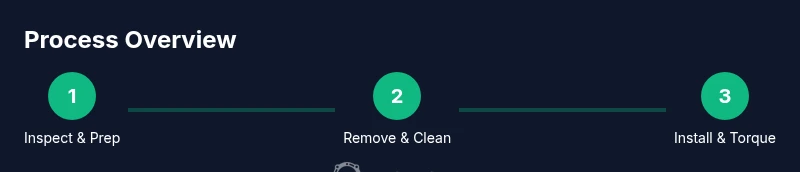
Most rear differentials require gear oil inside the housing. Start by loosening the differential fill bolt (or the lowest bolt on the cover) to allow air in, then place a drain pan beneath the cover. Remove the cover bolts in a criss-cross pattern to avoid warping and gradually lower the cover. Let the oil drain completely; while it’s draining, inspect the cover and mating surface for nicks, burrs, or old gasket residue. Use a plastic scraper to gently remove the old gasket material from both surfaces, followed by a degreaser wipe to ensure a clean seal. Wipe any drips from the sealing surface and set the cover aside on a clean surface while you prepare the new gasket. This step reduces contamination risk and improves gasket seating.
Removing the cover and preparing the mating surfaces
Carefully detach the differential cover and inspect the internal gear oil and the ring gear visible through the opening. Examine the gasket’s seating surface for scratches or pitting; if you see deep damage, addressing it may require professional service. Clean all surfaces with a lint-free rag and a solvent that won’t leave a residue. Do not reuse the old gasket; use the new gasket or a recommended sealant as specified by the manual. For difficult-to-clean areas, use a plastic scraper and a soft-bristle brush to reach corners, then re-clean with a solvent wipe. Ensure the mating surface is absolutely dry before installing the new gasket to prevent oil entrapment.
Installing the new gasket and reassembling
Place the new gasket on the cover or housing as directed by the gasket design. Align bolt holes carefully to ensure uniform seating. Press the cover gently to re-seat the gasket and start threading bolts by hand to avoid cross-threading. Tighten bolts in a criss-cross sequence to the vehicle manufacturer’s specified torque using a calibrated torque wrench. Do not over-tighten, as that can squeeze or deform the gasket. Reinstall the fill bolt and ensure it is snug. On reassembly, ensure any sensor connectors or wiring are reconnected, and remove all tools from the work area before starting the engine.
Torque, seals, and leak testing
Once the bolts are in place, refer to the service manual for exact torque values and cross-check the pattern. After torquing the last bolt, refill the differential with the recommended oil until the level reaches the fill line. Replace the fill plug, wipe away any stray oil, and lower the vehicle. Start the engine and run the differential at idle for a minute, then check for leaks around the cover edge. A slow leak may appear as the gasket settles; re-tighten to the proper torque if needed, but do so cautiously to avoid over-tightening. Perform a short test drive in a safe area, checking for oil spots and listening for abnormal sounds. If you notice leaks, stop driving and re-inspect the gasket seating and bolt torque.
Post-repair checks and maintenance tips
After the initial leak check, monitor the differential oil level over the next few days. Keep an eye on any new oil spots and inspect the cover edge for seepage during routine maintenance. If the gasket was replaced due to a major oil loss, consider using a dye-based leak detector to confirm sealing. Regularly check the gasket area during oil changes or filter service; catching a minor leak early saves cleanup costs and reduces damage to surrounding components. Maintain a clean workspace to ensure future gasket work goes smoothly. Following a thorough procedure and using the proper gasket material increases the chances of a long-lasting seal, which keeps your drivetrain healthy.
Maintenance and troubleshooting after replacement
Even with a proper gasket, oil leaks can occur if bolts loosen or if the gasket material is inadequate for the load. Periodically inspect the differential cover bolts for tightness and recheck torque after a few hot-cold cycles. If you’re seeing repeated leaks, re-check the mating surfaces for warping or chips. Confirm the oil type and level; incompatible oil can degrade the gasket material over time. Finally, store a small bottle of the correct gear oil for future top-offs and keep a dedicated drain pan ready for future maintenance. Consistent checks help prevent surprises on the road and preserve the rear differential’s life.
Tools & Materials
- Floor jack(Capacity enough for your vehicle; use on solid ground)
- Jack stands(Place under reinforced frame points)
- Wheel chocks(Two or more; one in front and one behind wheels)
- Socket set and ratchet(Metric and SAE sizes; include hex sockets)
- Torque wrench(Set to manufacturer spec for cover bolts)
- Drain pan(Catch gear oil safely)
- Rear differential gasket(OEM or proven aftermarket; ensure fit)
- Sealant or gasket maker(Only if specified by gasket type)
- Gasket scraper (plastic preferred)(Remove old gasket without scratching surfaces)
- Degreaser/cleaner(Prepare surfaces for seal)
- Rags and disposal bags(Contain and dispose used oil properly)
Steps
Estimated time: 3-5 hours
- 1
Prepare and secure the vehicle
Park on level ground, chock wheels, and raise the rear with a floor jack. Support with jack stands on solid frame points. This prevents movement and reduces the risk of injury during the repair.
Tip: Always use stands—do not rely on the jack alone for support. - 2
Drain gear oil safely
Place the drain pan under the differential cover. Loosen the drain/lowermost bolt to allow air in, then remove the cover bolts in a cross pattern. Let the oil drain completely before removing the cover.
Tip: Wait for the oil to drain fully before handling the cover to avoid spills. - 3
Remove old gasket and clean surfaces
Carefully detach the differential cover and inspect the gasket seating surface. Use a plastic scraper to remove adhesive and old gasket material. Wipe all surfaces with degreaser and ensure they are dry.
Tip: Avoid metal scrapes that can scratch the mating surfaces. - 4
Inspect mating surfaces for damage
Check for nicks, burrs, or warping on the cover and housing edges. If you find significant damage, repair or replace damaged components before proceeding.
Tip: Even small imperfections can cause leaks after reassembly. - 5
Install the new gasket and reattach cover
Place the new gasket on the cover or housing as directed. Align bolt holes, press into place, and start bolts by hand to avoid cross-threading.
Tip: Use the correct orientation to ensure full seal along the edge. - 6
Torque bolts to spec in a criss-cross pattern
Tighten bolts in a criss-cross sequence to the manufacturer’s torque specification using a calibrated torque wrench.
Tip: Do not skip the cross pattern; it prevents uneven gasket seating. - 7
Refill differential with oil
Reinstall the fill bolt and fill to the marked level with the correct gear oil. Recheck if the car has a dipstick for the rear differential level.
Tip: Use the type and viscosity recommended for your model. - 8
Check for leaks and perform a test drive
Lower the vehicle, start the engine, and run the differential for a short period. Inspect the edges for new leaks and listen for unusual noises.
Tip: Check after a short drive; sometimes leaks show up after heat cycles. - 9
Final inspection and cleanup
Recheck torque after cooling, wipe any residual oil, and store used parts properly. Keep an eye on the area for the next few days.
Tip: Document oil level and any signs of seepage for future reference.
Common Questions
Do I need to remove the entire rear differential to replace the gasket?
In most cases you can access and replace the gasket by removing the rear differential cover without removing the entire unit. Some setups may require more extensive access depending on the vehicle layout. Always consult the service manual for your exact model.
Usually you only need to remove the cover, not the whole differential, but some layouts may vary. Check your manual to be sure.
Can the gasket be reused?
No, gasket materials lose their sealing ability after removal. Always replace with a new gasket designed for your differential.
Gaskets are generally single-use—replace with a new one for a reliable seal.
What type of gasket material should I use?
Use the material recommended by your vehicle’s manual. Common options include rubber, cork, and composite gaskets; some setups allow sealant in addition to a gasket.
Use the material your manual specifies; common choices include rubber or cork.
How long does a rear differential gasket replacement take?
With a prepared workspace and the right tools, expect a few hours. Some setups may take longer if access is limited or if additional parts require inspection.
Most DIYers spend several hours, depending on access and tooling.
Should I use sealant with the gasket?
Only use sealant if the gasket type requires it or the manual specifies. Using sealant unnecessarily can interfere with sealing and complicate future removals.
Sealant is only if your gasket calls for it; otherwise, avoid extra adhesives.
Is it safe to drive after gasket replacement?
Yes, but first ensure there are no leaks and the oil level is correct. After a test drive, re-check for leaks and top off oil if needed.
Yes, but check for leaks and oil level before driving long distances.
Watch Video
Key Takeaways
- Plan for multiple hours and prepare a clean workspace.
- Never reuse an old gasket; use the correct material for your model.
- Follow a cross-pattern torque sequence to avoid leaks.
- Check for leaks after the first drive and re-tighten if needed.
- Maintain regular checks to extend gasket life and drivetrain health.