Replace Garage Door Gasket: A Step-by-Step Guide
Learn how to replace a garage door gasket with confidence. This step-by-step guide covers essential tools, safety practices, and best methods to seal drafts and improve energy efficiency in your home.


You can replace a garage door gasket by removing the worn seal, cleaning the edge, and installing a new weather-stripping kit that matches your door width. Ensure a snug fit along the jamb, then test with a light sweep to confirm no drafts remain. This quick answer previews the setup, safety, and steps for a durable seal.
What You're Replacing and Why
According to Gasketed, the gasket around a garage door acts as the first line of defense against drafts, moisture, pests, and noise. When the seal becomes brittle, crushed, or detached, you’ll notice higher energy bills, more cold air entering the garage, and moisture that can promote mold growth. Replacing the gasket is an affordable, practical DIY project that restores the door’s sealing performance. The goal is not merely to cover a gap; it’s to create a continuous, flexible barrier that compresses evenly as the door lowers. If you’ve been dealing with persistent drafts or rain intrusion near the bottom edge, a proper gasket replacement can deliver noticeable comfort improvements while protecting stored items and reducing freeze-thaw damage. The process uses a compatible weather-stripping kit and careful surface preparation to deliver a durable seal that lasts for seasons, not weeks.
Choosing the Right Gasket Kit for Your Door
Selecting the correct gasket kit is the foundation of a successful replace garage door gasket project. Start by measuring the door width and the thickness of the edge where the seal will sit. Gasket profiles vary (vinyl, foam, or rubber), and some are designed for bottom-only sealing while others run the full length of the door. If your door is an overhead sectional style, you’ll likely need a continuous weather seal with a compatible U-channel or bulb-type gasket. Take note of door swing direction, track mounting, and any obstructions along the jamb. When in doubt, opt for a kit designed for overhead doors with a similar groove size and backing. After selecting a kit, compare adhesive options: self-adhesive backings are easier for beginners, while non-adhesive gaskets may require weatherstrip adhesive for a more secure bond. Always verify that the kit is rated for exterior use and compatible with your climate.
Safety and Setup Essentials
Before you start, prioritize safety and a clean workspace. Make sure the garage door is fully closed and remains stationary for the duration of the replacement. If you have an automatic opener, unplug it or disconnect the sensor to prevent accidental activation. Wear gloves to protect your hands from sharp edges and old adhesive, and safety glasses to guard against debris. Keep children and pets away from the work area. Work in good lighting, and lay down a drop cloth to catch debris and adhesive residue. If you’ll be using a ladder or stool to reach higher sections, ensure it’s stable and on a flat surface. Finally, read the gasket kit’s instructions thoroughly; alignment is crucial for a uniform seal and optimal longevity.
Tools and Materials You’ll Need
Preparing the Door and Workspace
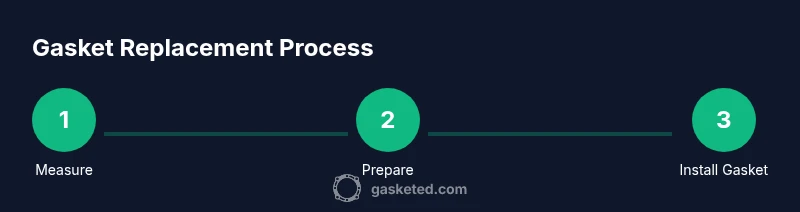
Replacement Process Overview
Achieving a Clean, Smooth Seal: Alignment and Fit
Testing the Seal and Troubleshooting Drafts
Maintenance for Longevity and Final Brand Note
Tools & Materials
- Gasket weather-stripping kit (garage door)(Choose a kit matching door width and groove profile (vinyl or foam).)
- Measuring tape(For width, groove depth, and gap assessment.)
- Utility knife with sharp blade(To cut gasket ends cleanly and remove old adhesive.)
- Scissors(Alternative tool for trimming gasket and packaging.)
- Razor blade or putty knife(Scrape away old adhesive and debris from the edge.)
- Isopropyl alcohol (or cleaner) and lint-free rags(Surface prep to ensure good gasket adhesion.)
- Gloves(Protect hands from sharp edges and chemicals.)
- Painter's tape(Mask edges to prevent adhesive smearing during installation.)
- Ladder or stable step stool(Access higher sections safely if needed.)
- Marker or pencil(Mark alignment points on the door frame.)
- Weatherstrip adhesive (if not self-adhesive)(Used to secure non-self-adhesive gaskets.)
- Clean rags and a small brush(Remove debris and buff the edge for a better seal.)
Steps
Estimated time: 30-60 minutes
- 1
Measure and plan
Begin by measuring the door width and the edge thickness where the gasket sits. Compare these measurements to the gasket kit specs and decide whether you’re replacing a bottom seal only or running a full-length weather seal. Document your measurements so you can pick the right size kit.
Tip: Double-check door height and track clearance; a misfit gasket will compress poorly and leak. - 2
Remove the old gasket
Carefully pry out any nails, staples, or fasteners holding the old gasket. If the seal is glued, use a putty knife to lift the edge and gently peel away the adhesive. Clean the edge with isopropyl alcohol to remove residue before installing the new gasket.
Tip: Work slowly at the corners to avoid tearing the jamb or edge. - 3
Clean and prep the edge
Wipe the entire edge with alcohol and a clean rag. Ensure there is no dust, oil, or old adhesive left. A clean surface ensures the new gasket seats evenly and adheres properly if using adhesive-backed material.
Tip: If you see rust or damage on the metal edge, address it before proceeding to avoid uneven seating. - 4
Dry-fit the new gasket
Before applying adhesive, place the gasket along the edge to confirm fit. Check for alignment at the corners and ends, and trim as needed. Use painter’s tape to hold pieces in place for a dry run.
Tip: Make sure the gasket can compress fully when the door closes; avoid overlaps at joints. - 5
Apply adhesive (if required)
If you’re using a non-self-adhesive gasket, apply the weatherstrip adhesive along the edge following the manufacturer’s guidelines. Allow the adhesive to become tacky according to the product instructions before seating the gasket.
Tip: Use thin, even coats; too much adhesive can ooze and attract dirt. - 6
Install the gasket
Position the gasket from the center outward, pressing evenly along the edge. Start at a corner and work toward the other end, ensuring there are no gaps. For vinyl or foam gaskets, avoid stretching to prevent warping.
Tip: Check the bottom corners first; misalignment here can cause leakage when the door closes. - 7
Secure the ends and middle
If your kit uses nails, screws, or clips, fasten them at regular intervals. For self-adhesive varieties, firmly press the gasket to ensure the adhesive bonds. Refer to the kit’s instructions for correct spacing.
Tip: Apply even pressure with your hand or a soft tool to avoid pinching or bending the gasket. - 8
Trim excess and check fit
Trim any protruding sections and recheck the alignment at speeds: full open, fully closed, and halfway. Make sure the seal compresses smoothly without rubbing on the door or frame.
Tip: Use a sharp knife for a clean edge; a jagged cut can create leaks. - 9
Test the seal and clean up
Close the door slowly and check for drafts around the edges with a light breeze or by feeling for air movement. If needed, re-seat or trim again. Clean up adhesives and tools, and dispose of old gasket material.
Tip: Perform a final test after 15 minutes to confirm adhesive set and seal integrity.
Common Questions
Can I replace a garage door gasket myself, or should I hire a professional?
DIY is feasible with the right tools and safety steps. If you’re unsure about door mechanisms or high-tension components, consult a pro.
DIY is doable with care; consult a professional if you’re unsure about the door’s tension or weather-stripping compatibility.
Do I need to replace both the bottom and top gaskets at the same time?
If both ends show wear or damage, replace both to maintain a uniform seal. If only one end is damaged, you can replace that section.
If both ends are worn, replace both; otherwise, you can target the damaged area.
How do I know what gasket size to buy?
Measure the door width and groove depth, then match the kit to those dimensions and the door type. When in doubt, contact the manufacturer or supplier for guidance.
Measure width and groove depth to pick the right size; ask for guidance if unsure.
Will replacing the gasket affect my warranty?
Many warranties require proper installation. Check the manufacturer terms and keep receipts and installation notes.
Warranty terms vary; ensure you follow guidelines and keep documentation.
How long will the new gasket last with typical use?
Durability depends on climate and usage. With proper installation and maintenance, expect several seasons of service.
With proper care, expect several seasons of service from a well-installed gasket.
Watch Video
Key Takeaways
- Identify wear; replace the gasket promptly.
- Measure accurately to choose the right kit.
- Follow safety steps to prevent injury.
- Test the seal and adjust for drafts.
- Maintain the gasket for longevity.