Can You Seal Coat Concrete? A DIY Guide to Protection
Learn how to seal coat concrete with a practical, DIY-friendly approach. Prep, choose the right sealer, apply evenly, and maintain long-lasting protection for indoor and outdoor slabs.


Seal coating concrete is a practical DIY task that protects slabs from water, stains, and wear. The most important choices are selecting the right sealer (penetrating vs. film-forming), preparing a clean surface, and applying even coats in suitable weather. This guide walks you through a step-by-step process, essential tools, and safety tips to get a durable finish.
Why seal coat concrete matters
According to Gasketed, a well-executed seal coat can extend the life of concrete by resisting water intrusion, chemical spills, and freeze-thaw cycles. A good seal helps minimize dust, reduces staining from oils and lawn chemicals, and makes cleaning easier. For homeowners, sealing is a cost-effective part of long-term maintenance. There are two main goals: protect the surface and preserve appearance. The failure to seal properly leads to faster wear, moisture intrusion, and more frequent repairs down the line. Climate matters: in harsher environments, a breathable penetrating sealer or a low-gloss film-forming topcoat often delivers the best balance of protection and aesthetics. For garages and driveways, film-forming sealers can provide a durable, abrasion-resistant finish, while penetrating sealers protect by blocking moisture at the surface. Another benefit is creating improved slip resistance when the right aggregate or anti-slip additive is used. Whether you're sealing new concrete or rejuvenating an older slab, proper preparation and choosing the right product are critical. New slabs often benefit from a curing sealant that helps cure more evenly, while aged concrete may need cleaning and light profiling to promote adhesion. Always read the product label for surface prep steps, recoat windows, cure times, and ventilation requirements.
Can you seal coat concrete? When and why to do it
Yes—can you seal coat concrete? is a common DIY question, and the short answer is yes when the surface is clean, dry, and properly prepped. You should seal concrete to protect against water, chemicals, oil spills, and wear from foot and vehicle traffic. Timing matters: interior surfaces like basements or workshops benefit from good humidity control and cool, dry conditions, while exterior slabs face sun, rain, and freeze-thaw. Gasketed's guidance emphasizes evaluating moisture, temperature, and ventilation before applying any sealer. If the surface is newly poured, wait for typical cure times before sealing, and consider a penetrating sealer first to lock in moisture and keep the surface breathable. For older slabs with stains or paver oil, a cleaning and light etching or deglossing may be needed to improve adhesion. In short, can you seal coat concrete? you can, but success hinges on surface condition, weather, and the right sealant choice. Always test a small area and follow label directions for cure windows and recoat timing.
Types of seal coats: penetrating vs film-forming
There are two broad categories of concrete sealers: penetrating (water-repellent) and film-forming (surface-coated). Penetrating sealers soak into the concrete, limiting water penetration while preserving a natural look. They are typically easier to apply, faster to cure, and less likely to alter color. Film-forming sealers create a visible layer on top, which can deepen color and provide a hard-wearing shield against abrasion. If aesthetics matter (color depth or gloss), a film-forming sealer might be preferred. For areas with high moisture, penetrating options paired with a breathable topcoat can be ideal. Hybrid products also exist that combine surface protection with absorption control. Always match your choice with traffic level, cleaning regimen, and environmental conditions. Remember that some sealers require a gloss or matte finish; verify with product specs and test patches before committing to the whole surface. Gasketed's analysis shows that the best long-term results come from using the right type for the substrate and climate, not simply the most expensive option.
Surface prep and cleaning for best adhesion
Surface prep is where most seal coat failures begin. Start with a thorough cleaning to remove oil, dirt, mould, and old coatings. Use a stiff broom, a low-pressure nozzle, and a concrete degreaser as needed. Rinse completely and allow the surface to dry; moisture at sealing time reduces adhesion and can cause blotchy finishes. If you have stubborn stains, consider a gentle etch or degreaser and re-rinse. Lightly etching (or profiling) may be required for certain sealers; always follow the sealer label. Before applying the sealer, remove all loose dust with a tack cloth. Mask nearby surfaces, doors, and edges to avoid accidental application. Finally, verify the surface moisture with a simple humidity test; most products require a dry test area before moving to finish coats. Good prep avoids blotching, peeling, and early wear.
Tools, materials, and safety gear you’ll need
Having the right tools on hand makes seal coating smoother and safer. Gather PPE first: gloves, eye protection, and a respirator or dust mask if using solvent-based products. Then assemble cleaning and preparation gear: a stiff broom, a pressure washer or spray bottle, degreaser, etching agent if required, a plastic drop cloth, painter’s tape, and a high-quality lint-free cloth or tack rag. For application, choose a brush, roller, or sprayer compatible with the sealer. Prepare multiple containers or a paint tray for even coats. Keep a timer or clock to track cure windows and recoat timing. Always work in a well-ventilated area and follow the sealer’s VOC restrictions. Safety first reduces headaches, fumes, and mistakes.
Step-by-step guide to applying a concrete seal coat
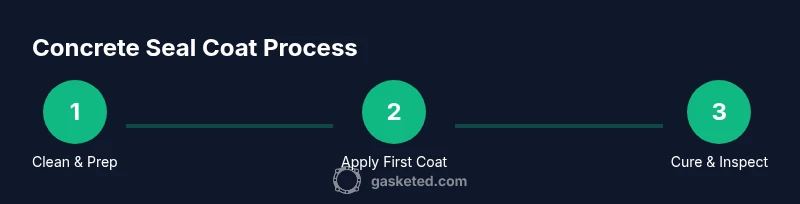
Here’s a concise overview of the process. 1) Clean and dry the surface; 2) Test for adequate dryness and moisture; 3) Apply the first coat evenly using the chosen method; 4) Let it cure per the label; 5) Inspect and apply a second coat if required; 6) Allow full cure before light traffic. For more precise instructions, see the dedicated STEP-BY-STEP section below. The success of your project rests on uniform coverage and avoiding puddling. Keep the edge of the coating wet as you work to maintain a smooth, uniform finish. Gasketed notes emphasize following product-specific recoat windows and ensuring proper ventilation during application.
Maintenance, re-coating, and troubleshooting
Seal coats are not permanent; they need periodic maintenance. Periodically wash the surface with a mild cleaner and rinse well to prevent residue buildup. Recoat intervals vary by product and environment; plan for a new coat every few years in high-traffic areas and sooner if the surface shows wear or whitening. Monitor for peeling, dark blotches, or uneven gloss, which signal moisture intrusion or poor adhesion. If you notice peeling or hazy spots, you may need to remove the old sealer, thoroughly clean, and reapply. Regular maintenance and timely reapplication extend the life of your seal coat and keep the surface looking good.
Authority sources
- EPA: https://www.epa.gov
- OSHA: https://www.osha.gov
- University Extension: https://extension.illinois.edu
Tools & Materials
- Personal protective equipment (gloves, safety glasses, respirator or dust mask)(NIOSH-rated respirator for solvent-based sealers; otherwise use a dust mask for prepping)
- Pressure washer or stiff-bristle brush(For thorough cleaning; use low to moderate pressure to avoid etching)
- Concrete cleaner or degreaser(Use for oil stains and heavy grime)
- Etching/deglosser (if required by sealer label)(Only use when the product requires surface profiling)
- Lint-free tack cloths and clean rags(Remove dust and residue before sealing)
- Drop cloths and painter’s tape(Protect adjacent surfaces and floors)
- Roller kit or brush/spray system compatible with sealer(Choose nap length based on smoothness of the surface)
- Sealer product(s) with appropriate VOC rating(Match penetrating vs film-forming to your project)
- Paint tray or mixing cup(Helpful for even coats with rollers or brushes)
- Moisture meter or humidity test kit(Check surface dryness before applying sealer)
Steps
Estimated time: 8-12 hours
- 1
Check weather and prepare workspace
Review the forecast to avoid rain while the sealer cures. Clear the area and lay down drop cloths, moving vehicles and furniture away from the work zone.
Tip: Work on a calm, dry day; humidity and wind can affect cure time. - 2
Clean and degrease the surface
Scrub the entire surface with a degreaser or detergent, then rinse thoroughly. Allow to dry completely before testing moisture.
Tip: Use a stiff brush for stubborn stains and ensure no soap residues remain. - 3
Test for moisture and adhesion readiness
Perform a simple moisture test by placing a small piece of tape on the surface after drying; check for moisture under the tape after a set time. If moisture shows through, delay sealing.
Tip: If uncertain, wait another 24 hours in dry conditions before continuing. - 4
Etch or profile if required
If your sealer label calls for etching, apply the etchant evenly and rinse well. Dry the surface completely again before applying the sealer.
Tip: Always wear PPE and follow label directions; misused etchants can damage concrete. - 5
Mask edges and protect adjacent surfaces
Apply painter’s tape to edges, joints, and any nearby surfaces you want to protect from spills or splatters.
Tip: Cover nearby doors or transitions to prevent accidental coating on them. - 6
Mix and apply the first coat
Stir the sealer per label, then apply in thin, even coats using the chosen method (roller, brush, or spray). Maintain a wet edge to avoid lap marks.
Tip: Avoid overworking the coating; thin, even coats yield better adhesion. - 7
Allow the first coat to cure
Let the first coat cure as directed by the product label, keeping the area dry and well-ventilated.
Tip: Do not walk on or place items on the surface during cure unless permitted. - 8
Apply a second coat if required
If a second coat is recommended, apply it after the first coat has cured and within the specified recoat window.
Tip: Coat at right angles to the first pass for uniform coverage. - 9
Final cure and return to use
Allow full cure time before exposing to normal traffic; verify final scratch hardness and any gloss uniformity.
Tip: Ventilate the area until fully cured to minimize fumes.
Common Questions
What is the difference between penetrating and film-forming sealers?
Penetrating sealers soak into the concrete and block moisture while preserving a natural look. Film-forming sealers create a protective top layer that can enhance color and gloss. Choose based on appearance goals and traffic.
Penetrating sealers go into the concrete for a natural look, while film-forming sealers sit on the surface for color and gloss. Pick based on appearance and traffic.
Can I seal old, stained concrete?
Yes, but start with thorough cleaning and, if needed, light etching or degreasing to improve adhesion. Remove oils and contaminants before sealing for the best results.
You can seal old concrete after cleaning and prepping; remove oils and grime first for good adhesion.
How long does a seal coat last?
Lifespan depends on traffic, product type, and maintenance. Regular cleaning and timely re-coating help extend protection.
The life of a seal coat varies with traffic and product choice; maintain and recoat as needed.
Is sealing safe indoors?
Sealing indoors is safe if you follow ventilation guidelines and wear appropriate PPE. Ventilate during and after application to manage fumes.
Yes, with good ventilation and protective gear.
Do I need to etch or acid wash before sealing?
Etching is only required if the sealer label specifies it. Test patches first and follow label directions to avoid surface damage.
Only etch if the product requires it; patch test first.
Can I apply sealer in humid or rainy weather?
Sealers cure best in dry conditions; avoid applying in rain or high humidity. Check label weather windows and plan accordingly.
Seal only in dry, moderate weather as advised by the product label.
Watch Video
Key Takeaways
- Proper prep is the foundation of a durable seal coat.
- Choose the right sealer for climate, surface, and traffic.
- Apply coats evenly to avoid puddling or streaks.
- Allow adequate cure time before use and recoat if needed.
- Test a patch and follow label directions for success.