How to Clean a Gasket: A Practical DIY Guide for Home
Learn safe, effective methods to clean gaskets, remove grime, and inspect for wear. This step-by-step guide covers materials, techniques, and reassembly tips to keep connections leak-free and prolong gasket life in appliances and plumbing.


In this guide you will learn how to clean a gasket safely and effectively. You’ll remove grime, soap scum, and mineral buildup without damaging the material, choose gentler cleaners for rubber and silicone, dry thoroughly, inspect for wear, and reassemble with proper sealant or lubrication as needed. Follow the steps below to protect seals and prevent leaks in common appliances and plumbing fixtures. This overview sets the stage before the detailed, step-by-step instructions.
Why Cleaning Gaskets Matters
Gaskets are the unsung heroes of many home systems, keeping water, air, and chemicals where they belong. When gaskets collect grime, mineral deposits, or mold, their flexibility and sealing surface can degrade, increasing the risk of leaks and odors. Regular cleaning helps restore surface irregularities that trap debris and prevents buildup from hardening over time. According to Gasketed, routine care supports seal integrity and extends gasket life, reducing the chance of premature failure in appliances, faucets, and plumbing fixtures. Different gasket materials—rubber, silicone, and PTFE—react differently to cleaners, so it’s important to match your method to the gasket type. By keeping gaskets clean, you also maintain efficiency and prevent downstream damage caused by leaks.
Safety First: PPE and Prep
Before you touch any gasket, prepare the workspace and protect yourself. Wear gloves to protect your hands from cleaners and sharp edges, and safety glasses if you’re cleaning under fixtures or in tight spaces. Ensure the area is well-ventilated and that you won’t knock anything over during the process. Disconnect power to the appliance if you’re working on an electrical unit, and shut off water supply for plumbing-related gaskets. Laying down towels or a tray keeps mess contained and makes cleanup easier. A clean, organized workspace reduces the chance of dropping small parts or misplacing screws during reassembly.
Tools and Cleaning Agents You'll Use
You’ll rely on a few simple tools and mild cleaners to avoid damaging gasket material. Gather a soft cloth, a soft-bristled brush, an old toothbrush for grooves, a plastic scraper for stubborn buildup, warm water, and a mild dish soap. Optional but helpful: isopropyl alcohol for quick surface disinfection and a dry, lint-free towel for thorough drying. If you’re dealing with a worn gasket, keep a replacement gasket on hand. Having these items ready reduces interruptions and helps you finish the job efficiently.
Step-by-Step Cleaning Process Overview
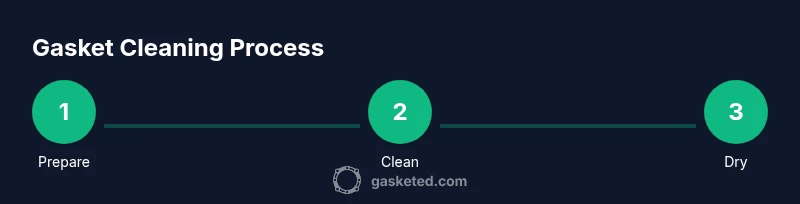
Treat gasket cleaning as a small three-part job: remove, clean, and dry. Start by detaching the gasket so you can access both sides of the sealing surface. Gently loosen any baked-on grime with a plastic scraper and rinse with warm water to remove loose debris. Apply a mild soap solution and scrub gently with a soft brush or toothbrush, focusing on crevices and grooves where buildup tends to hide. Rinse again to remove soap residues, then dry thoroughly with a lint-free cloth. Finally, inspect the gasket for cracks, hardening, or deformation that would require replacement. This narrative approach aligns with the detailed steps below and helps you understand why each action matters.
Cleaning Methods by Gasket Material
Rubber gaskets tolerate mild dish soap and warm water, plus a light touch with a brush. Silicone gaskets are more resistant but can be damaged by harsh solvents; stick to soap and water, then a quick alcohol wipe if needed. PTFE or other advanced materials may tolerate gentler solvents but always consult the manufacturer’s guidance. Metal gaskets require extra care to avoid corrosion—avoid aggressive scrubbing and ensure they’re completely dry to prevent rust. Always test a small area first if you’re unsure about a cleaner.
Inspecting, Drying, and Reassembly Tips
Drying is as important as cleaning. Open air drying or pat dry with a lint-free towel to remove all moisture, then check the sealing surface for micro-scratches, tears, or stiffness. If any damage is found, replace the gasket rather than attempting a seal with a compromised part. When reassembling, ensure the gasket sits evenly in its groove and aligns with any notch or orientation marks. Reconnect fixtures slowly and test with water or pressure at a low level to confirm the seal before normal use.
Common Mistakes and How to Avoid Them
Avoid soaking gaskets for long periods; prolonged exposure to water can cause swelling or warping in some materials. Do not use harsh solvents or abrasive pads that can degrade the gasket surface. Never reuse a visibly damaged gasket; replace it to prevent leaks. Finally, don’t rush drying—residual moisture can undermine the seal when you reassemble.
Tools & Materials
- Mild dish soap(Gentle formula to avoid residue)
- Warm water(For rinsing and cleaning)
- Isopropyl alcohol (70%)(Disinfecting wipe or quick dry)
- Soft cloths (lint-free)(For drying and buffing)
- Soft-bristled brush(Clean grooves and edges)
- Old toothbrush(Detail cleaning in tight spots)
- Plastic scraper or card(Gently loosen grime)
- Towels or drying rack(Dry completely before reassembly)
- Replacement gasket (optional)(Keep on hand if signs of wear appear)
- Gloves(Protect hands from cleaners)
- Eye protection (optional)(Useful when working under fixtures)
Steps
Estimated time: Total time: 20-45 minutes
- 1
Power down and unplug the appliance
Ensure the device cannot start unexpectedly. If working on plumbing, shut off the water supply first, then unplug any electrical connections where applicable.
Tip: Lock out power if possible and keep liquids away from electrical components. - 2
Shut off water supply (if plumbing related)
Close the valve to prevent leaks during gasket handling. Place towels to catch any drips and have a bucket ready for drained water.
Tip: Always relieve pressure before removing any gasket. - 3
Remove the gasket carefully
Gently lift the gasket from its groove, keeping orientation marks in mind so reassembly is accurate.
Tip: Take a photo before removal to reference during reassembly. - 4
Rinse the gasket surface to remove loose debris
Hold under warm running water to flush away dirt from grooves and flat surfaces.
Tip: Avoid hot water which can warp some materials. - 5
Scrub with mild soap and a soft brush
Create a gentle soap solution and scrub evenly across the gasket, paying attention to corners and grooves.
Tip: Do not use abrasive pads that could scratch the surface. - 6
Rinse, dry thoroughly, and inspect
Rinse off all soap, then dry completely with a lint-free towel and air-dry any remaining moisture. Check for cracks or hardening.
Tip: If you detect any wear, replace the gasket rather than forcing a seal. - 7
Reassemble and test for leaks
Place the gasket back in its groove, align any marks, and reattach components. Slowly restore water or power and check for leaks at low pressure.
Tip: Tighten gradually and evenly to avoid pinching the gasket.
Common Questions
Can I use bleach to clean a gasket?
Bleach can damage certain gasket materials. In most cases, mild soap and water or isopropyl alcohol are safer options. Always check the manufacturer’s guidance for your gasket material.
Bleach isn't usually recommended for gaskets. Stick with mild soap and water or a little isopropyl alcohol, and follow the manufacturer’s guidance.
How do I know if a gasket is too worn to clean?
Look for cracks, tears, hardening, or loss of elasticity. If any of these signs are present, replace the gasket instead of trying to reuse it.
If you see cracks or stiffness, it's time to replace the gasket.
Is it necessary to dry gaskets before reassembly?
Yes. Adequate drying ensures a proper seal and reduces the chance of mold or corrosion forming after assembly.
Dry thoroughly before reassembling to ensure a good seal.
Can I reuse a gasket after cleaning?
Only if the gasket shows no signs of wear, deformation, or hardening. In most cases, replacing worn gaskets is safer for preventing leaks.
If there’s any doubt about wear, replace the gasket.
What cleaners are safest for rubber gaskets?
Mild dish soap and warm water are typically safe, with a small amount of isopropyl alcohol for disinfection if needed. Avoid acetone or harsh solvents.
Stick to mild soap and water, with a touch of alcohol if needed.
Do I need gasket lubricant after cleaning?
Some gaskets benefit from a compatible lubricant or sealant; always follow manufacturer guidance, as wrong products can compromise the seal.
Follow the exact guidance for your gasket type when using lubricants.
Watch Video
Key Takeaways
- Inspect gasket orientation before removal.
- Use mild cleaners compatible with gasket material.
- Dry surfaces thoroughly to ensure a proper seal.
- Replace damaged gaskets rather than reusing them.