How to Prevent Head Gasket Failure: Essential Guide for DIYers
Discover practical, DIY-friendly steps to prevent head gasket failure with cooling-system upkeep, coolant care, and smart driving habits. A clear, actionable guide from Gasketed.


Preventing head gasket failure starts with proactive cooling-system care and mindful driving. In this guide, you’ll learn how to prevent head gasket failure by maintaining coolant quality, checking hoses and the thermostat, and performing regular pressure tests. With simple checks and routines, you can reduce overheating risk and avoid costly engine repairs.
What the head gasket does and how failures happen
The head gasket seals the combustion chamber, coolant passages, and oil channels between the engine block and cylinder head. It keeps these systems isolated to prevent cross-contamination and overheating. When a gasket fails, symptoms can include overheating, white exhaust smoke, milky oil, loss of coolant without a visible leak, or a drop in engine performance. Early signs are easy to overlook, but catching them can save thousands in repairs. According to Gasketed, routine cooling-system health is foundational to preventing gasket failure, especially on aging engines. Understanding how the gasket functions helps you prioritize maintenance tasks that reduce risk long before a problem emerges.
Key causes of head gasket failure
Head gasket failure is usually the result of a few compounding issues rather than a single event. Overheating, warped cylinder heads, pre-ignition or detonation, and improper torque during assembly can all contribute. A poorly maintained cooling system accelerates wear by allowing coolant temperatures to spike or corrosion to form in passages. Age and mileage matter; as components wear, the likelihood of a failure increases. Even well-built engines can fail if routine maintenance is neglected. Being aware of these factors helps you target preventive steps where they matter most.
Prevention: maintain cooling system health
A healthy cooling system is your first line of defense against head gasket failure. Regularly inspect hoses for cracks, bulges, or leaks; replace damaged hoses promptly. Verify the radiator, water pump, thermostat, and radiator cap are functioning correctly, as any weak link can cause overheating. Use the correct coolant type and mix, and ensure the system is properly bled of air to avoid hotspots. Periodic coolant flushes remove rust and contaminants that can clog passages and raise local temperatures. Keep the radiator clear of debris and monitor for leaks. Small routine checks add up to big protection over time.
Monitoring coolant quality and level
Coolant quality matters as much as level. Check coolant visually for oil films, rust, or sediment, which indicate internal leakage or contamination. Use the dipstick or reservoir marks to confirm the level is between min and max when the engine is cold. If the coolant appears discolored or smells off, flush and replace according to the vehicle manufacturer’s guidelines. Always use the correct coolant specification for your engine to prevent incompatibilities that can corrode seals and promote gasket wear.
Driving habits and heat management
Aggressive driving, heavy towing, or sustained high RPMs raise engine temperatures and stress the gasket area. Allow the engine to warm up gradually, avoid prolonged idling in high-temperature conditions, and give the cooling system a chance to regulate before demanding performance. In hot climates, consider parking in shade and ensuring air flow is not obstructed. When possible, use a vehicle’s built-in heat management features and avoid forcing the engine into conditions that push cooling capacity beyond its limits.
Regular inspections and early warning signs
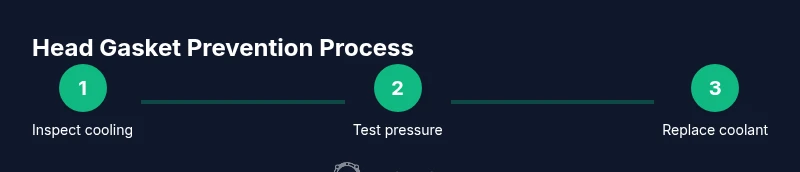
Make cooling-system inspection a routine habit: check for coolant leaks, inspect the radiator cap for proper sealing, test the pressure with a head-pressure tester, and listen for unusual sounds. Early warning signs include rising temperature gauge, steam from under the hood, white smoke, milky oil, or coolant loss without an obvious leak. If any of these appear, stop driving and consult a professional. Early detection often prevents major engine damage and costly repairs.
Materials, sealants, and repair considerations
For prevention, avoid relying on sealants as a fix-all solution. They can mask problems temporarily but may create other issues such as clogging passages. If you suspect a gasket issue, focus on diagnosing the root cause—overheating, head warp, or cooling-system failures—before considering more invasive repairs. When replacement becomes necessary, work with reputable parts and follow torque specifications to prevent leaks and gasket distortions.
DIY prevention plan you can follow
Create a simple, seasonal maintenance plan: inspect cooling-system components in spring and fall, perform a coolant flush if needed, replace aging hoses, and test pressure annually. Keep a maintenance log with dates and observations. Use high-quality coolant and distilled water to minimize mineral buildup. This proactive approach reduces risk and helps you stay ahead of potential failures, saving time and money in the long run.
Common myths vs. reality
Myth: A bottle of stop-leak can permanently fix a blown gasket. Reality: Stop-leak may temporarily slow leakage but does not repair a damaged gasket and can clog other passages. Myth: If the engine isn’t overheating, the gasket is fine. Reality: Gasket issues can exist before overheating signs appear. Myth: You should always replace the head gasket yourself. Reality: Some repairs require professional service and proper torque, heating, and checking for warpage.
Tools & Materials
- Coolant suitable for your engine(Pre-mixed or correct concentrate; check vehicle guidelines)
- Coolant tester or hydrometer(Assess freezing/boiling protection and quality)
- Funnel, clean rags, and gloves(For clean pouring and handling hot fluids)
- Pressure tester for cooling system(Verify system holds pressure without leaks)
- Radiator cap and thermostat (spare)(Inspect and replace if showing wear)
- Hose replacements and clamps(Only if degradation is found)
- Torque wrench(Follow manufacturer specs when reassembling)
- Service manual or OEM guidelines(Torque specs and cooling-system procedure)
- Distilled water(Use for coolant mix to prevent mineral buildup)
Steps
Estimated time: 60-90 minutes
- 1
Inspect cooling system for leaks
With the engine cool, visually inspect hoses, radiator, and clamps for cracks, bulges, or seepage. Look for signs of corrosion or sediment in the coolant. This helps identify early failure points that can lead to gasket stress.
Tip: Check under the vehicle for small wet spots after running the engine and allow it to cool before touching components. - 2
Pressure-test the cooling system
Attach the pressure tester and pressurize the system to the level recommended by the manufacturer. If the system loses pressure, locate the leak source before continuing.
Tip: Never open the radiator cap while the system is hot; risk of scalding is high. - 3
Check coolant level and condition
Ensure the coolant level is between the min and max marks when cold. Inspect the coolant color for contamination, and note any oil sheen or rust that could indicate internal leakage.
Tip: If you see oil or heavy rust, flusing the system and inspecting the head gasket may be warranted. - 4
Inspect critical components
Examine radiator cap seal, thermostat operation, and radiator hoses for wear. Replace worn parts to maintain consistent cooling pressure and flow.
Tip: Replace the radiator cap if you notice poor sealing or inconsistent pressure readings. - 5
Flush and recharge coolant
If coolant looks dirty or old, perform a recommended flush and refill with the correct concentration. Bleed air from the system to prevent air pockets that cause localized overheating.
Tip: Mix coolant and water per spec; use distilled water to reduce mineral buildup. - 6
Set up a seasonal maintenance routine
Document inspection dates, service performed, and any parts replaced. Schedule future checks to catch issues early and keep the cooling system healthy.
Tip: Keep a visible log near the engine bay or in your vehicle maintenance journal.
Common Questions
What are the most common signs of head gasket trouble?
Common signs include overheating, white exhaust smoke, milky oil, coolant loss without leaks, and reduced engine performance. If you notice these, stop driving and have the system checked.
Common signs include overheating, white smoke, milky oil, and unexplained coolant loss. Stop driving and get a checkup.
Can a car run safely with a blown head gasket?
No. A blown head gasket can allow coolant into the combustion chamber or oil passages, risking severe engine damage. Seek professional assessment and avoid long drives.
No—driving with a blown gasket can cause serious engine damage. Stop driving and seek professional help.
How long does preventive cooling-system maintenance take?
A typical preventive check and any small repairs can take under two hours, depending on accessibility and vehicle design. More extensive repairs require more time.
Most preventive checks take under two hours; larger repairs take longer.
Do sealants fix head gasket problems?
Sealants are not a reliable fix for a blown gasket and can create new issues like clogging passages. They should not replace proper diagnosis and repair.
Sealants are not a reliable fix for a blown gasket and can cause other problems.
Is head gasket failure common, and can I prevent it entirely?
Head gasket failure is serious but not inevitable. Regular cooling-system maintenance and early detection reduce risk significantly, though age and driving conditions still matter.
It's preventable to an extent with proper maintenance, but age and conditions can still cause issues.
How often should I inspect the cooling system to prevent failure?
Inspect at least biannually and after any overheating event. Include coolant quality checks, hose condition, and cap integrity as part of routine maintenance.
Do a twice-yearly check and after overheating events; inspect hoses, cap, and coolant quality.
Watch Video
Key Takeaways
- Maintain cooling-system health to prevent gasket stress.
- Regularly inspect hoses, cap, thermostat, and radiator for wear.
- Monitor coolant quality and replace as recommended.
- Follow a seasonal preventive maintenance plan to avoid major repairs.