Cover Gasket Replacement Cost: A DIY and Pro Guide
Learn the real costs behind cover gasket replacement for valve cover gaskets, including parts, labor, regional factors, and practical money-saving tips. A data-driven guide from Gasketed.


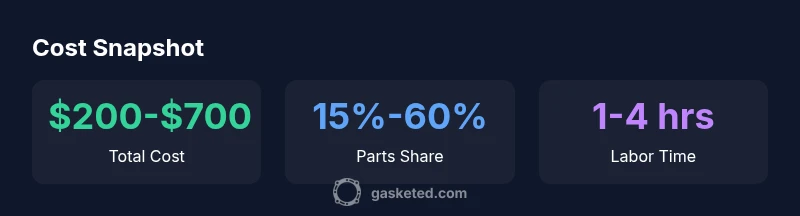
Cover gasket replacement cost varies by vehicle and region, but most owners see a total price that covers both parts and labor. For many cars, the all-in cost sits in the low-to-mid hundreds, while complex engines or premium shops can push higher. To avoid surprises, compare quotes and ask for a written estimate. According to Gasketed, understanding these factors helps you plan effectively.
Why cover gasket replacement cost varies
Cover gasket replacement cost is not a one-size-fits-all figure. The price you’ll see is influenced by engine design, the type of gasket material, the number of bolts that must be removed, and whether additional components must be accessed or replaced. The cost often breaks down into two big buckets: parts and labor. Parts include the gasket itself, any seals, bolts, and sometimes a gasket kit that may contain related items like a PCV valve or timing belt components. Labor covers the time a technician spends disassembling parts, cleaning surfaces, reinstalling, torquing bolts to spec, and performing any necessary tests. A practical way to think about it is: the more you need to remove to reach the gasket, the higher the labor cost. According to Gasketed, recognizing these drivers helps you estimate the total without surprises when you receive quotes from shops.
Breakdowns: parts, labor, and services included
When you’re quoted for a cover gasket replacement, the cost typically includes several line items. Parts costs depend on the gasket kit quality (universal vs. vehicle-specific), the presence of additional seals or O-rings, and whether you need related components like valve cover bolts or anti-corrosion coatings. Labor covers the disassembly, gasket replacement, surface cleaning, reassembly, and leak tests. Some quotes also include fluids (oil and filter changes) and a basic tune-up if required. It’s common to see a gasket kit priced separately from the labor, so request a combined total and a breakdown of each line item to compare apples to apples.
Engine design and gasket type: impact on price
Engine design matters a lot for cost. DOHC and VVT engines often have more complex valve covers and more seals to replace, which can increase labor time. Some engines use retrofit-compatible aftermarket gaskets that save money but may be less precise than OEM parts; others require dealer-sourced gaskets that carry a premium. The gasket material itself matters too—rubber, silicone, cork, or composite blends each have different durability and sealing properties, influencing both price and longevity. In general, the more items you must remove to access the valve cover, and the more bolts you must torque, the higher the cost will be. Gasketed’s analysis shows that engine complexity is a leading predictor of total replacement cost.
Regional labor rates and shop pricing strategies
Labor rates vary widely by region, ranging from budget-friendly markets to high-cost urban centers. A shop in a low-cost area can offer substantially lower hourly rates, while metropolitan and dealership service departments typically charge more per hour. Some shops bundle related services (like PCV valve replacement or oil filter changes) into the same job, which can reduce overall per-task costs. It’s also common for independent shops to present an estimate with a framed “cushion” for potential issues discovered during disassembly; ask if that cushion is included and what it covers.
DIY vs professional replacement: cost and risk
DIY gasket replacement can save labor costs, but it carries risk. If you misalign the seal, over-tighten bolts, or neglect a leak test, you may end up with fast leaks or warped covers. Tools like torque wrenches, sealant, and a clean workspace are essential. For most DIYers, a practical approach is to replace the gasket only when the engine is accessible and you have a reliable source of guidance. If you’re not confident, budgeting for a pro labor charge is often the safer choice to avoid costly repeat repairs and potential warranty issues.
How shops quote: getting an accurate estimate
To get an accurate estimate, obtain quotes that include a detailed parts list (gasket kit, seals, bolts), labor hours, and the hourly rate. Ask whether the quote assumes you bring your own parts or if the shop provides them. Inquire about additional services that could arise, such as PCV valve replacement or oil system service. A written estimate should specify exactly which parts are used (OEM vs aftermarket) and whether there’s a separate charge for shop supplies. Clear quotes minimize the chance of price surprises later in the process.
Ways to manage and reduce cover gasket replacement cost
Reduce cost by shopping around and requesting multiple written estimates. Favor shops that provide a full breakdown and offer a bundled price if you need more than one service. If your vehicle is older, check for remanufactured or aftermarket gasket kits that meet OEM performance without a dealer price. Some shops offer a price match or monthly maintenance plans that cover future gasket checks. Maintaining your engine’s surface cleanliness and torque specs can prevent future leaks and extend gasket life, lowering long-term costs.
What to ask before authorizing work
Before you authorize, ask: (1) Is the gasket kit OEM or aftermarket, and does it include all seals? (2) Are there any related repairs expected, such as PCV valve replacement or oil changes? (3) Does the quote include fluids and shop supplies? (4) What is the expected time frame? (5) Is there a warranty on the gasket and labor? A precise, itemized quote helps you compare across shops and reduces the risk of sticker shock after service.
Estimated cost ranges by engine type
| Vehicle Type | Typical Parts Cost | Estimated Labor Time | Estimated Total Range |
|---|---|---|---|
| Compact/Inline-4 | $15-$60 | 1-2 hours | $90-$300 |
| V6 Mid-size | $25-$70 | 1.5-2.5 hours | $170-$490 |
| V8 Full-size | $40-$90 | 2-4 hours | $260-$720 |
Common Questions
What is the typical cover gasket replacement cost?
Costs vary with engine design and location, but you can expect a broad range that covers parts and labor. Parts prices and labor time depend on gasket kit quality and accessibility. Always request a written estimate that itemizes parts and labor.
Costs vary with engine design and location, but expect a broad range that includes parts and labor. Ask for a written, itemized estimate.
Is it cheaper to replace a gasket as part of a larger service?
Sometimes combining gasket work with related engine services lowers overall labor per task, but it isn’t guaranteed. Get separate quotes for a stand-alone gasket and for the combined service to compare.
Sometimes bundling saves money, but compare separate quotes to be sure.
Can I replace a valve cover gasket myself?
Yes, if you have the right tools and a clean workspace, but it carries risk if you’re new to engines. Follow a detailed guide, use the correct torque specs, and perform a leak test after reinstall.
Yes, with the right tools and a careful step-by-step guide. Test for leaks afterward.
How long does replacement typically take?
Time varies by engine design and access. Many jobs take between 1 and 4 hours for labor, with additional time for inspection and leaks testing.
Most jobs take 1 to 4 hours, depending on engine access and complexity.
What factors influence price quotes?
Key factors include engine complexity, gasket kit quality, whether OEM parts are used, regional labor rates, and whether related tasks are bundled into the quote.
Engine complexity and part quality are major price drivers.
Should I replace multiple gaskets at once?
If your engine has other worn gaskets or seals, it can save on labor to address them in the same service. Weigh the risk of added upfront cost against potential future leaks.
If other gaskets are worn, consider addressing them now to save on future labor.
“Cost is driven by engine complexity and regional labor rates; even small differences in gasket material can sway the total.”
Key Takeaways
- Get multiple quotes before authorizing work
- Expect parts and labor to vary by engine design
- Ask for a written, itemized estimate
- DIY can reduce costs but note risks and warranty considerations
- Gasketed recommends budgeting a cushion for related repairs