Valve Cover Gasket Replacement Cost: A DIY Guide for 2026
Learn the typical replace valve cover gasket cost, what drives price, and practical tips to save during gasket replacement for DIYers and pros. Includes parts, labor ranges, and budgeting strategies.


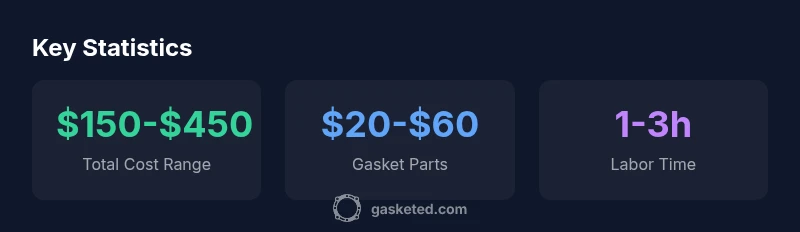
According to Gasketed, the replace valve cover gasket cost typically ranges from $150 to $450 in the United States, depending on vehicle make, gasket quality, and local labor rates. Parts usually cost $20-$60, while labor can run $100-$390. DIYers can trim expenses by doing the job themselves, but should factor tools, torque specs, and potential sealant costs into the total.
Understanding the replace valve cover gasket cost
The valve cover gasket sits at the top of the engine and keeps oil from leaking out around the camshaft area. The cost to replace it is influenced by several factors, including engine design (two-valve, four-valve per cylinder, or modern overhead cam layouts), gasket material (rubber, silicone, or cork mixtures), and whether additional seals or the valve cover itself must be removed. In a typical U.S. repair, the overall price you’ll see is a function of parts plus labor, with labor usually driving most of the expense. When you ask about the replace valve cover gasket cost, you’re comparing DIY potential against professional service and the likelihood that a tech will need to remove other components to access the gasket. Regional labor rates can swing estimates by dozens of dollars, and some shops add shop supplies or disposal fees. For reference, an independent garage in a mid-range market might quote the lower end, while a dealership or specialty shop in a metro area may land at the higher end. The takeaway: price alone isn’t enough; you must weigh the time, effort, and risk of leaks when budgeting.
Cost breakdown: Parts, labor, and tools
Understanding where the money goes helps you plan the budget for the repairs. The replace valve cover gasket cost is typically broken into three main components: parts, labor, and incidental tools. Parts cover the gasket itself, seals, and any auxiliary items like PCV grommets. Gasket prices commonly sit in the $20-$60 range, with additional seals adding a modest amount. Labor is the dominant cost in most shops, varying by engine complexity and regional rates; typical times are 1–3 hours, but some engines may require more. Tools and supplies—torque wrench, gasket scraper, sealant, and possibly new valve cover bolts—can add to the upfront cost if you don’t own them already. If you DIY, you save on labor but must invest in the right tools and follow torque specs to avoid leaks.
DIY vs professional replacement: Pros and cons
DIY replacement can dramatically reduce the replace valve cover gasket cost if you have time and a suitable workspace. Pros include saving labor fees, learning valuable engine maintenance skills, and controlling the pace of the job. Cons involve risking improper seal, potential damage from over-tightening, and time investment. Professional replacement offers a finished warranty, proper torque verification, and access to specialized tools. The decision hinges on your confidence, tool availability, and willingness to handle other components that may be tied to the gasket job. If you’re unsure, getting a clear, itemized estimate from a shop helps you compare against a DIY plan.
How costs vary by engine type
Engine design strongly influences the price. Inline-four engines with simple valve covers typically align with the lower end of the cost spectrum, while V6 or V8 layouts, DOHC configurations, or engines with multiple valve cover seals can push both parts and labor higher. Turbocharged engines and those with timing cover access or auxiliary seals (PCV, breathers) add complexity, increasing the time required and the chance of additional parts. While the raw gasket price remains modest, the total replace valve cover gasket cost tends to rise with the engine’s design complexity and the number of fasteners or seals involved. Plan for broader estimates on high-demand European or luxury models where access points are tighter.
Budgeting: a step-by-step plan
To budget effectively, start with a low, conservative total and then layer in realistic contingencies. Step 1: Obtain a written estimate from a local shop and compare it to a DIY cost plan. Step 2: List all required parts (gasket, seals, bolts) and their prices. Step 3: Add tool or rental costs if you don’t own the equipment. Step 4: Factor a 10–20% contingency for extra seals or unexpected disassembly. Step 5: Schedule the work so you can prepare for any additional costs—if you’re DIY, allocate a spare afternoon or weekend. Step 6: Keep receipts and note any warranty coverage on parts. By following these steps, you’ll have a clear picture of the total replace valve cover gasket cost and the best path forward.
Money-saving strategies
- Compare quotes from multiple shops to gauge regional pricing and avoid sticker shock. - If you already own a torque wrench and basic hand tools, your DIY cost drops significantly. - Consider purchasing a quality gasket kit rather than the cheapest option to reduce leak risk. - Schedule maintenance during off-peak periods or at independent shops to minimize labor rate differentials. - If you suspect other seals are leaking, address them together to avoid multiple labor charges.
What to expect during service
When you bring your vehicle in, a technician will usually perform a quick visual inspection, remove the valve cover, and inspect the gasket seating. If the gasket shows signs of cracking, deformation, or oil seepage, it will be replaced along with any associated seals as needed. After installation, the technician will torque bolts to manufacturer specifications and conduct a leak test. Proper torque and seating are critical to avoid future leaks, so detailed torque specs should be followed. Depending on the engine, the service may also require cleaning PCV passages and rechecking for clearance around nearby components. Ask for a written warranty on the gasket and a short post-service inspection to confirm success.
Cost comparison: DIY vs professional
| Scenario | Estimated Cost Range | Notes |
|---|---|---|
| DIY gasket replacement | 60-180 | Parts + basic tools; no labor charges |
| Professional replacement | 150-450 | Labor + parts; varies by vehicle |
| Comprehensive service (additional seals) | 140-520 | Includes extra seals or timing cover work |
Common Questions
What does the replace valve cover gasket cost include?
Typically, the cost includes parts (gasket and any seals) and labor. Some estimates may also cover sealant and minor cleaning. Always verify whether additional items are included in the quote before authorizing work.
The cost usually covers parts and labor, with possible extras like sealant. Check your quote for any add-ons.
Does the cost vary by engine size or model?
Yes. Larger engines or newer designs with more seals and tighter access can raise both parts and labor, increasing the total replace valve cover gasket cost. Always request a model-specific estimate.
Bigger engines and newer designs usually cost more because there’s more work and more seals to replace.
Can I reuse old valve cover bolts or seals to save money?
Gaskets should be replaced. Bolts can sometimes be reused if not damaged or stretched, but many technicians recommend installing new bolts to ensure proper torque and seal. Always follow the manufacturer’s torque specs.
You should replace the gasket; bolts may be reused if they’re in good shape, but follow torque specs.
Should I replace both valve cover gaskets at once?
If your engine has dual valve covers and both are leaking or requiring access, replacing both at once can save time and prevent repeat visits. If only one side shows issues, you can start with that side, but plan for the possibility of additional work later.
If both sides leak, doing both at once is usually more cost-effective and time-saving.
What are signs I need a valve cover gasket replacement?
Oil leaks around the valve cover, a burning oil smell, or rising oil levels without top-offs are typical indicators. If you notice engine misfiring or oil consumption changes, have a mechanic inspect the area for leaks.
Look for oil leaks around the valve cover or a burnt oil smell; those signs suggest a gasket issue.
“Valve cover gasket failures are common across many engines, and selecting the correct gasket type dramatically reduces the chance of future leaks.”
Key Takeaways
- Plan for labor as the major cost driver.
- Parts typically cost $20-$60; expect higher if extra seals are needed.
- DIY can save money but requires proper tools and torque specs.
- Always confirm a written estimate before work.