How to Fix a Blown Gasket: A DIY Guide
Learn how to fix a blown gasket with a clear, step-by-step approach. This DIY guide covers signs, safety, tools, replacement tips, and maintenance to restore a reliable seal.


You will diagnose which gasket is blown and complete a safe, step-by-step repair to restore sealing in your engine, appliance, or plumbing system. The guide covers common symptoms, required tools, essential safety precautions, acceptable temporary fixes, and clear steps plus warnings to avoid costly mistakes. This approach is intended for DIY enthusiasts and homeowners comfortable with basic disassembly, but it also helps you decide when professional service is wiser.
What a blown gasket is and how it happens
A gasket creates a seal between mating surfaces in engines, appliances, or plumbing. When it fails, fluids leak, pressure can’t be maintained, and symptoms such as overheating, loss of coolant, or milky oil may appear. Understanding how a gasket can fail helps you plan a durable fix. Common causes include age, improper torque during assembly, improper gasket material for the operating environment, or surface damage. In this guide you will learn how to fix a blown gasket with careful inspection, proper replacement parts, and correct installation techniques. While some fixes are straightforward, others require more advanced tools or professional service. The goal is a reliable seal that lasts and avoids recurring leaks. By following a methodical process, you reduce the risk of introducing new problems during repair and increase your chances of a successful outcome.
Signs and initial checks you should perform
Before pulling parts apart, note signs of gasket failure. Look for coolant or oil cross-contamination, white smoke from exhaust, or abrupt loss of pressure. A visual inspection after removing accessible components can reveal a cracked or deformed gasket or mating surface damage. If you suspect a blown gasket, you should plan a controlled repair rather than a quick, improvised fix. Document symptoms with photos and mark components to aid reassembly. When in doubt about the severity or whether the head gasket is involved, err on the side of caution and seek professional input.
Safety first: when DIY may not be wise
Gasket replacement involves disassembly of critical components and, in some cases, hot surfaces, pressurized systems, or coolant and fuel lines. Ensure the machine or vehicle is powered off, cooled, and safely secured. Wear protective gear, use a drain pan for fluids, and work in a well-ventilated area. If you encounter high compression, suspected head gasket issues, or uncertain torque specifications, stop and consider professional service. Tackling a blown gasket without proper tools or knowledge can lead to more expensive damage.
Understanding gasket types and materials you might encounter
Gaskets come in various materials tailored to their application. Engine gaskets often require heat resistance and good metal-to-metal sealing; valve cover and exhaust gaskets prioritize chemical compatibility and temperature endurance. In appliances or plumbing, you may see flat sheet gaskets, rubber O-rings, or composite materials. Selecting the right gasket is crucial for a lasting seal. Always verify compatibility with your model and operating conditions, and consult the manufacturer’s guidance when in doubt.
Planning the repair: scope, parts, and sequence
A blown gasket repair requires planning. Confirm the exact gasket type and part number, source an exact replacement, and gather the necessary tools. Review torque specifications and bolt tightening patterns, as incorrect torque is a common cause of resealing failure. Create a step-by-step sequence that minimizes disassembly and ensures clean mating surfaces. If the gasket interfaces with fluids or pressures that could injure you or damage components, arrange for proper containment and ventilation before starting.
Cleaning and surface preparation: the foundation of a good seal
A successful gasket install depends on clean, flat mating surfaces. Remove old gasket remnants with a plastic scraper to avoid scratching metal, and wipe surfaces with a solvent recommended by the manufacturer. Inspect for nicks, grooves, or warping and address any damage before proceeding. Surface preparation can take time but pays back in reliability. Don’t rush this step, as leftover residue or material fragments can compromise the seal.
Applying sealants and choosing the right orientation
Some gasket types require a sealant or adhesive; others rely on a precise extrusion-free seating. Follow the manufacturer’s guidance on sealants, as wrong usage can clog passages or cause bond failures. Align gaskets with painted or marked orientation indicators to ensure correct placement. A common mistake is placing the gasket upside down or out of alignment, which can create gaps and leaks after reassembly.
Reassembly and torque: doing it correctly the first time
Reassemble components in the required order, using correct-fastener patterns and torque sequences. Tighten bolts incrementally in multiple passes to avoid warping and sealing issues. Use a calibrated torque wrench and reference the specification for each fastener. Over-torquing or under-torquing are frequent causes of premature gasket failure; precise torque helps ensure a lasting seal and reduces service intervals.
Post-repair checks and long-term maintenance
After assembly, refill fluids if traded, and start the system under controlled conditions. Check for leaks at all joints and monitor for several cycles. Inspect fluids for contamination and verify there are no unusual noises or overheating. Regular maintenance, including periodic tightening checks and replacing gaskets at recommended intervals, promotes long-term reliability.
Tools & Materials
- Replacement gasket kit (specific to model)(Ensure compatibility with your engine/appliance)
- Torque wrench(With appropriate range for fasteners)
- Socket set and screwdrivers (assorted sizes)(For removing components)
- Gasket scraper or plastic putty knife(Remove old gasket without scratching surfaces)
- Cleaning solvent or manufacturer-approved cleaner(Degrease and prep surfaces)
- Gasket sealant or adhesive (if required)(Only if specified by gasket type)
- Drain pan and rags(Contain fluids and clean spills)
- Safety gloves and eye protection(Protect hands and eyes during disassembly)
- Lint-free towels(Wipe surfaces without leaving fibers)
- Manual or service guide for torque specs(Helpful for model-specific guidance)
- Flashlight or inspection light(Improve visibility in tight spaces)
- Torque-angle gauge (optional)(For precise multi-pass bolt tightening)
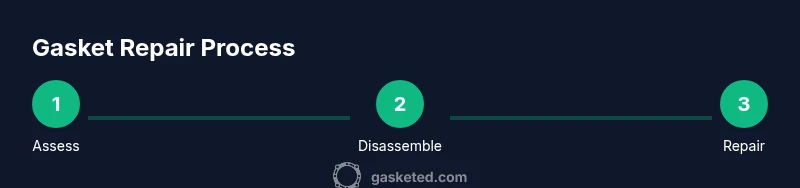
Steps
Estimated time: 4-6 hours
- 1
Confirm the symptom and identify gasket area
Observe signs such as coolant or oil leaks, overheating, and pressure loss. Confirm the likely gasket location by checking accessible seals and the area where failures commonly occur.
Tip: Take clear photos and label hoses for accurate reassembly. - 2
Power down and safely drain fluids
Disconnect power, relieve system pressure, and drain fluids into a suitable containment vessel. This reduces spill risk and makes surfaces easier to inspect.
Tip: Keep fluids in a labeled container for recycling or disposal. - 3
Access the gasket and remove surrounding parts
Gain access to the gasket by removing components that block access. Support or secure any parts to prevent damage during removal.
Tip: Document fastener locations to restore the original assembly order. - 4
Remove the old gasket carefully
Carefully separate the gasket to avoid surface damage. Inspect both mating surfaces for scoring, warping, or corrosion.
Tip: Don’t bend or reuse the old gasket or damaged surfaces. - 5
Clean and inspect mating surfaces
Use a plastic scraper and approved cleaner to remove all residue. Check for nicks, warps, or misalignment that would prevent sealing.
Tip: Ensure surfaces are dry and free of debris before reassembly. - 6
Inspect gasket and create replacement plan
Compare the old gasket with the replacement, verify material compatibility, and confirm the correct orientation.
Tip: If in doubt about material or thickness, consult the manufacturer. - 7
Apply sealant (if required) and position new gasket
Apply sealant per instructions if the gasket type requires it. Align the gasket with orientation marks and ensure full contact with mating surfaces.
Tip: Avoid excessive sealant that can squeeze into passages. - 8
Reassemble and tighten in the proper sequence
Reattach components in the recommended order and tighten fasteners incrementally using the torque pattern.
Tip: Use a torque wrench to reach spec without over-tightening. - 9
Refill fluids and prepare for initial test
Fill or top off fluids, reconnect power, and ensure all connections are secure before first run.
Tip: Do a slow, controlled pre-start to check for obvious issues. - 10
Run test and verify seal
Start the system and observe for leaks. Monitor temperature, pressure, and fluid levels over several cycles.
Tip: If leaks appear, power down and inspect the sealing surfaces again.
Common Questions
What are the warning signs of a blown gasket?
Warning signs include coolant loss without visible leaks, milky oil, white smoke, overheating, or pressure loss. A persistent leak near a gasket seam also suggests failure. If you notice multiple symptoms, plan a diagnostic check or professional inspection.
Common signs are coolant loss, milky oil, overheating, and leaks at gasket seams. If you see several, seek a diagnostic check.
Can I fix a blown gasket myself, or is replacement required?
Many gasket failures can be repaired by a capable DIYer with the right parts and tools. However, access to critical components, risk of head gasket damage, or uncertain torque specifications may necessitate professional service.
DIY is possible for capable homeowners, but consider pro help if the gasket involves critical engine parts or uncertain torque specs.
Is sealant a temporary fix or a permanent solution?
Sealants can be part of a permanent seal for some gasket types but are not universally appropriate. Always follow the gasket manufacturer's guidance. Using sealant in the wrong location can trap contaminants or prevent proper sealing.
Sealants may be permanent for some gaskets or temporary for others; follow the manufacturer’s guidance.
How long does a gasket repair typically take?
A typical gasket replacement can take several hours depending on access and complexity. Engine jobs may require more time than simple appliance gaskets. Plan for a careful, patient repair to ensure safety and reliability.
Expect several hours for a typical gasket replacement, longer for engines with tight access.
What maintenance steps prevent gasket failures?
Regular fluid checks, addressing leaks early, and using the correct gasket material for the operating environment help prevent failures. Avoid aggressive engine or system heat cycling and follow maintenance schedules for replacements.
Regular checks and using the right materials help prevent gasket failures.
Watch Video
Key Takeaways
- Identify symptoms early to plan the repair.
- Prepare with the right parts and torque specs.
- Clean surfaces thoroughly for a reliable seal.
- Test carefully after reassembly and monitor for leaks.