Prius Head Gasket Replacement: A DIY Guide for 2026
A comprehensive guide for Prius head gasket replacement, covering symptoms, diagnosis, tool lists, step-by-step instructions, safety, and alternatives. Learn when to DIY vs. hire a pro with practical tips from Gasketed.


This guide explains prius head gasket replacement, including symptoms, diagnosis, required tools, and a step-by-step process. You’ll learn when to DIY vs. hire a pro, plus safety considerations for hybrid drivetrain work. From symptom checks to final tests, this quick answer outlines what you’ll do, what you’ll need, and how to decide if DIY is feasible.
Understanding when a Prius head gasket replacement is needed
According to Gasketed, diagnosing a head gasket issue on a Prius requires careful checks of coolant, oil, and cylinder pressure because of the unique hybrid system integration. Common symptoms include unexplained coolant loss, white exhaust or steam from the tailpipe, milky oil, overheating, and occasional misfires or rough running. Because the Prius uses both a gasoline engine and an electric drive, a gasket failure can affect both subsystems, complicating diagnosis. If you notice persistent coolant loss without external leaks, or if oil appears contaminated with coolant, it’s time to investigate further with a compression test and a leak-down test. Always confirm the issue with the service manual for your specific model year, and consider a coolant system pressure test to rule out a leak in passages connected to the head gasket. Safety first: disconnect the high-voltage system before any disassembly and follow Toyota’s procedures for hybrid safety to avoid shock or electrical hazards.
A careful diagnosis helps you determine whether a gasket replacement is indeed the right fix or if a different repair path (such as timing chain work, head resurfacing, or engine replacement) is more appropriate. In hybrids like the Prius, the repair’s complexity is elevated by the need to safely isolate the HV system and manage aluminum cylinder head surfaces, so confirm you have the right tools, workspace, and expertise before proceeding.
Planning and feasibility: is it DIY or hire a pro?
Deciding whether to tackle a Prius head gasket replacement yourself hinges on your mechanical experience, willingness to work on a hybrid drivetrain, and access to a proper workspace. The task requires precise head gasket installation, accurate torque sequencing, and the ability to drain and refill multiple fluids without contamination. If you’re not confident about safely disconnecting the high-voltage system, keeping the engine bay clean and free of debris, and correctly torquing head bolts, this job is best left to a trained technician. On the other hand, if you have a solid toolkit, a clean, well-lit space, and a service manual specific to your Prius generation, you can plan a careful, methodical approach. Always weigh labor costs against the value of your time, and consider the long-term reliability and safety implications of a gasket repair in a hybrid powertrain.
Gasketed analysis shows that the hybrid configuration can demand additional steps beyond a conventional gasoline engine replacement, so fewer DIY-friendly steps exist than in non-hybrid engines. If you choose DIY, set a realistic schedule, confirm torque specs from the service manual, and prepare for potential surprises such as valve train clearance or surface resurfacing needs.
Tools, parts, and safety gear you’ll need
You’ll need a solid toolkit, a correct head gasket set for your Prius model, and materials to properly drain and refill cooling and lubrication systems. In addition to basic hand tools, a torque wrench with the correct range, a cam chain or belt service kit if required, and a cylinder head gasket set are essential. A clean workspace, good lighting, and a magnetic tray for fasteners help prevent misplacement. Safety gear is non-negotiable: eye protection, gloves, and a properly rated automotive jack and stands. For the hybrid system, ensure you have the proper high-voltage safety equipment and follow the vehicle’s service manual procedures to isolate the HV battery and disconnectors. A cooling system bleed kit or manual bleeding tools will help ensure there are no air pockets after refilling coolant, which is critical to avoid overheating on reassembly.
Having the right parts and tools reduces the risk of rework and helps you complete the job within a reasonable time window. Always check for service bulletins or recalls related to your year and trim, as some configurations have unique steps or torque specs.
Step-by-step overview and critical considerations
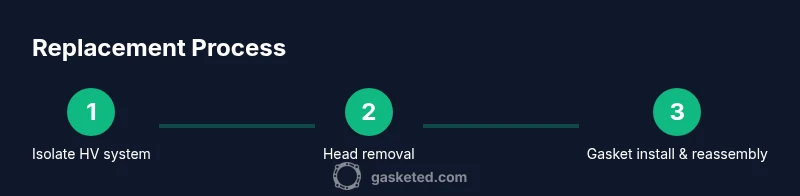
The following overview is designed to acquaint you with the general sequence and key decisions involved in a Prius head gasket replacement. The exact steps and torque specs vary by model year and engine variant, so always consult the official Toyota service manual for your specific Prius. This overview emphasizes safety, accurate head surface preparation, and maintaining proper cleanliness to avoid contamination. Expect to isolate the HV system, drain cooling fluid, remove components that block access, lift and inspect the cylinder head, inspect the head and block surfaces for warping or cracks, install the new gasket with the correct orientation, torque bolts in the specified sequence, reassemble cooling and intake systems, bleed coolant, reconnect safety systems, and perform thorough leak tests and a test drive.
Key decisions along the way include whether to resurface the head, whether to replace head bolts (often recommended), and how thoroughly to clean the mating surfaces. Any sign of warpage or damage may necessitate resurfacing or even engine replacement if the repair cost becomes prohibitive. The hybrid electrical system adds another layer of complexity, so document every connection you disconnect and reassemble in the reverse order. With proper planning, careful work, and adherence to Toyota’s torque sequences, you can complete the job safely while preserving your Prius’s reliability.
Common mistakes and how to avoid them
Common mistakes in Prius head gasket work include rushing the disassembly, mixing fasteners from different areas, skipping the proper sequence for head bolt torque, and neglecting to purge air from the cooling system after refilling. Also, not properly isolating the high-voltage system can lead to dangerous shocks. Avoid surface contamination by cleaning the head and block thoroughly; even a small grit particle can cause a leak path after installation. Finally, failing to verify the head surface condition can lead to poor sealing even with a new gasket. Take your time with the teardown, label each connector, and verify all tools and parts before reassembly. Spending extra time on surface inspection and torque checks pays off with a successful, long-lasting repair.
Authority and next steps
After completing a gasket replacement, perform a comprehensive system check. Confirm there are no leaks in the cooling system, ensure proper coolant bleed, and verify that the engine reaches and maintains the correct operating temperature. If you’re unsure about any step, consult the service manual or contact a Prius-certified technician for a professional inspection. For ongoing maintenance, routinely monitor coolant levels and oil for any signs of contamination and address issues early to prevent recurring gasket problems.
Authoritative sources
To support the guidance in this article, you can consult official safety and vehicle maintenance references from credible sources and major automotive publications.
Tools & Materials
- Torque wrench(Range includes ft-lbs and in-lbs; verify spec for Prius head bolts per service manual.)
- Socket set(Metric and standard sockets; include deep sockets for exhaust and intake components.)
- Head gasket set (for Prius model year)(Include gaskets for the head, valve cover, exhaust, intake, and applicable seals.)
- Cylinder head resurfacer (if required)(Only if head surface shows warp or damage after inspection.)
- Coolant and coolant bleed kit(Toyota long-life coolant recommended; ensure proper bleed after refilling.)
- Gasket scraper and cleaning brushes(Clean mating surfaces thoroughly; avoid introducing debris.)
- Oil drain pan and rags(Have multiple pans for oil, coolant, and other fluids.)
- Shop safety gear(Safety glasses, gloves, and a clean, well-lit workspace.)
- Engine support/stand (optional for some models)(Only if you need extra stability during head removal.)
- Multi-meter(Useful for verifying sensors and electrical connections during reassembly.)
Steps
Estimated time: 6-12 hours
- 1
Prepare and isolate the hybrid system
Park on level ground, engage parking brake, and disconnect the 12V battery to minimize risk. Follow the Prius service manual for HV battery disconnection procedures and ensure you are wearing proper PPE. Label all connectors you plan to disconnect and prepare a clean workspace.
Tip: Use a dedicated anti-static mat and keep fasteners organized in labeled trays. - 2
Drain fluids and remove obstructing parts
Drain coolant and engine oil as per the service manual. Remove components that block access to the cylinder head (air intake, throttle body, valve cover, and any shielding). Keep track of hoses and clamps to reuse later.
Tip: Keep coolant and oil separate to avoid cross-contamination; label hoses to prevent misconnection. - 3
Remove the valve cover and timing components
Carefully detach the valve cover and, if required, the timing chain or belt cover. Inspect timing components for wear as you may be reusing or replacing them depending on your model. Note the sequence and orientation of any pulleys or guides for reassembly.
Tip: Take a photo-based note of timing marks before removing any timing parts. - 4
Remove the cylinder head bolts and lift the head
Loosen head bolts in the reverse torque sequence and lift the head using appropriate lifting points. Do not pry with metal tools; use a soft mallet if needed. Inspect the head surface for warping, cracks, or excessive corrosion.
Tip: If head is stubborn, verify manual instructions for any special loosening steps. - 5
Inspect surfaces and decide on resurfacing
Place the head on a flat surface to check for warp; inspect the block deck surface as well. If warp exceeds service spec, plan for resurfacing or replacement. Clean all mating surfaces thoroughly to remove oil, old gasket material, and debris.
Tip: A light refinish is safer when within spec; excessive removal may weaken the head or alter clearances. - 6
Install the new head gasket and reseat the head
Place the gasket in alignment with the cylinder bores and manifold openings. Lower the head onto the block and begin torquing bolts in the recommended sequence with precise increments. Reinstall the head bolts if your service manual requires bolt replacement.
Tip: Apply a light coating of clean oil on the threads to ensure even torque. - 7
Reassemble timing, seals, and cooling components
Reconnect the timing chain/belt, reattach seals, and reinstall the valve cover and any shielding. Refill the cooling system and ensure all hoses and clamps are properly seated. Replace any worn seals during reassembly.
Tip: Double-check all gasket surfaces before torquing and avoid overtightening. - 8
Bleed cooling system and refill fluids
Bleed the cooling system to purge air pockets; refill coolant to the recommended level. Check for leaks at the gasket joints and connections. Start with a no-load idle to verify circulation and temperature rise.
Tip: Do not rush the bleed; air pockets can cause overheating if not fully purged. - 9
Reconnect HV safety systems and perform tests
Reconnect the high-voltage system, reconnect the 12V battery, and perform a diagnostic check for codes. Start the engine and ensure the vehicle reaches normal operating temperature. Look for coolant leaks and monitor oil and coolant levels for the next few cycles.
Tip: Use a scan tool suitable for hybrids to confirm no remaining codes and verify sensor readings.
Common Questions
What are the signs that a Prius head gasket is failing?
Look for unexplained coolant loss, white exhaust, milky oil, overheating, and engine misfires. In hybrids, verify both gas and electric-drive components for unusual behavior.
Common signs include coolant loss, milky oil, overheating, and occasional misfires. In a Prius, verify both engine and hybrid systems for issues.
Is it feasible to replace a Prius head gasket at home?
Only if you have extensive experience with engines and hybrid systems, a well-equipped workspace, and strict safety practices. Many owners prefer professional service due to the hybrid-specific risks.
DIY is possible for highly experienced technicians with the right tools, but it's risky for typical DIYers due to the hybrid safety and engine complexity.
How long does a Prius head gasket replacement take?
The job is lengthy and labor-intensive, typically measured in hours rather than minutes. Time varies by model year, tool access, and whether resurfacing or extra repairs are needed.
Expect several hours to a full day depending on your prep and model, with potential downtime for resurfacing if needed.
What factors influence the cost of this repair?
Labor rates, whether head resurfacing is required, and if bolts or gaskets must be replaced all influence cost. Hybrid-specific safety work can also affect price.
Cost varies a lot by your location and whether resurfacing or replacement parts are needed; get a detailed quote before starting.
Are there safer or cheaper alternatives to a full head gasket replacement?
In some cases, a laser reconditioning, sleeve repair, or engine replacement may be considered if damage is extensive. A professional assessment is essential to determine viability.
There aren’t many cheap alternatives; a professional assessment will tell you whether repair or replacement is best.
What maintenance should follow a head gasket replacement?
Recheck coolant levels, monitor for leaks, and perform a thorough test drive to verify cooling, oil integrity, and electrical system behavior. Refill and bleed as required.
After replacement, monitor fluids and leaks, and perform a careful test drive to confirm everything’s working properly.
Watch Video
Key Takeaways
- Verify symptoms before starting work on a Prius head gasket issue
- Expect a high-skill, high-safety repair due to hybrid systems
- Use OEM parts and precise torque sequences
- Bleed cooling system thoroughly to avoid overheating on startup