How to Make a Gasket with Permatex
Learn to craft a gasket using Permatex gasket maker. Step-by-step tips on surface prep, bead layout, curing times, and troubleshooting for DIY gasket repairs and home projects.


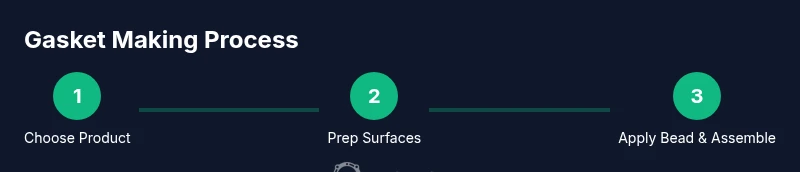
With Permatex gasket maker, you can create an in-situ gasket for non-porous surfaces. Start by selecting the right gasket-making product, prepare both mating flanges, and apply a uniform bead before assembly. Allow curing time per the product instructions, then torque as specified and test for leaks. This approach is practical for small repairs and non-critical seals.
Why Permatex for gasket making in DIY repairs
According to Gasketed, Permatex gasket makers offer a practical path to creating reliable gaskets for non-porous surfaces when a pre-cut gasket isn't available. These products are designed to form flexible seals that fill minor irregularities on metal, plastic, and composite mating surfaces, which is especially helpful when you’re working on engines, pumps, or plumbing where time matters. In many home workshops, an in-situ gasket made with Permatex can reduce downtime and simplify repairs compared with hunting down the perfect pre-cut sheet gasket. The key benefit is not just convenience; it’s the ability to adapt a seal to imperfect flanges and to accommodate small surface variations that would otherwise lead to leaks. The Gasketed team found that this approach is particularly effective for valve covers, water pumps, and throttle bodies where a precise, rigid gasket is hard to source quickly. However, it’s important to note that not all sealing tasks are suitable for in-situ gasketing; high-pressure, high-thermal applications or components that require exact gasket compression may still benefit from traditional gaskets. As with any repair, read the product label for temperature range, chemical compatibility, and cure times, and verify that the overall resealing strategy aligns with the manufacturer’s torque specs.
Choosing the rightPermatex gasket maker
Permatex offers several gasket-making products designed to fit different fluids, temperatures, and service conditions. For general engine and equipment sealing, a silicone-based gasket maker provides good elasticity, resistance to oil and coolant, and the ability to form a durable seal on mating surfaces. If your application involves higher temperatures, look for formulations rated for heat and chemical exposure, as they maintain flexibility over a wider range of operating conditions. For quick, service-friendly repairs, some Permatex products cure rapidly and can be handled after short wait times, while others are designed for longer service life. When selecting a product, match the sealant’s cure time, temperature tolerance, and fluid compatibility to your specific task. Also consider the surface geometry; flat flanges with minor irregularities benefit from a uniform bead, while uneven or irregular gaps may require a slightly different bead pattern. In all cases, use only as much material as needed to create a complete seal, and avoid excessive thickness that could impede proper clamping and compression. Remember: the goal is a clean, continuous bead that forms a tight seal without gaps.
Surface prep and templates
Surface preparation is critical for a reliable gasket. Start by removing the old gasket and cleaning both mating surfaces thoroughly with a solvent that is compatible with the materials in question. Mechanical scraping should be done gently to avoid gouging the flange. Wipe both surfaces with isopropyl alcohol to remove oil, grease, and fingerprints. If you are using a template or gasket paper to produce an external gasket shape, cut it precisely with a clean knife and lay it on the lower flange as a guide. For in-situ sealing, you may still benefit from masking areas that should not receive sealant, using tape to define edges and avoid excess. Ensure the surface is dry before applying the bead; even a thin film of moisture can compromise adhesion. If you’re replacing a valve cover gasket on an engine, check for warping and consider resurfacing the cover if needed. The more uniform your surface and the more accurate your guide, the better the resulting seal will perform.
In-situ gasket creation overview
An in-situ gasket involves applying a bead of gasket maker directly to one mating surface, then bringing the other surface into contact and tightening to the prescribed torque. This method eliminates the need for a pre-cut gasket but relies on proper bead layout and cure time. Bead layout depends on the flange shape: you can use a continuous bead for simple rectangular patterns, or a spiral or circle bead for round ports. Avoid excessive bead thickness; a thin, uniform layer is usually sufficient if you’ve prepared the surfaces well. After assembly, allow the product to cure per label instructions before starting the engine or system; many formulations require a cure period at room temperature before exposure to fluid pressure. If you must reassemble soon, consider using a quick-curing variant and test for leaks before applying full system pressure. In some cases, it may be better to use a traditional gasket if the device experiences substantial pressure or heat.
Common mistakes and troubleshooting
Common mistakes include applying too much gasket maker, which can squeeze out and contaminate seals; failing to clean surfaces thoroughly, resulting in poor adhesion; ignoring cure times and reassembling too soon; and using the wrong formulation for the environment, leading to brittle or oily seals. To troubleshoot, inspect bead placement, check for gaps, allow full cure, and retorque as necessary. If leaks persist, remove the gasket maker residue, re-clean surfaces, and re-apply with a different bead pattern or product formulation. For sensitive components, perform a small test on a non-critical area first.
Curing, handling, and longevity
Curing times vary by product and conditions; always follow the label to determine when the seal will reach its designed strength. During curing, avoid pressurizing the system or exposing the bead to fluids until the recommended time has elapsed. Temperature and humidity can affect cure speed; warmer, drier environments typically enable faster handling but beware of skin contact when curing. Once cured, inspect the seal for gaps or squeeze-out and wipe away any excess with a clean rag. When disassembling in the future, plan for resealing with fresh bead if the flange surfaces show any wear or damage. Understanding these nuances will help you decide if an in-situ gasket is appropriate or if a premade gasket is the better option.
Practical decision guide: In-situ vs pre-cut gaskets
Use in-situ gasket methods when you need a quick fix, the seal is on a non-critical path, and a pre-cut gasket is unavailable. If the system experiences high pressure, extreme temperatures, or requires precise compression, a premade gasket sourced to the exact spec is usually the safer route. Also consider the availability of compatible gasket materials and the likelihood of surface damage; in some cases, a properly machined or scanned surface will yield the best seal with a traditional gasket. For many home projects, Permatex gasket maker provides a pragmatic compromise between speed and seal quality, allowing you to repair without lengthy downtime. The goal is to achieve a clean, durable seal that resists leaks under normal operating conditions.
Maintenance, safety, and disposal
Always work in a well-ventilated area and wear gloves to minimize skin contact with gasket makers. Keep sealants away from hot surfaces and flames, and store tubes upright in a cool, dry place. After use, wipe the nozzle and cap to prevent skin from sticking and dispose of empty tubes according to local regulations. If you’re unsure about compatibility with your fluid, consult the product label or Safety Data Sheet. Proper cleanup ensures residuals don’t interfere with future seals and helps you preserve a safe, organized workspace.
Tools & Materials
- Permatex gasket maker (RTV silicone) formulated for your application(Choose based on temperature rating and fluid exposure)
- Solvent degreaser or isopropyl alcohol(For surface prep and wipe-down)
- Lint-free rags(For clean, streak-free prep)
- Masking tape or edge-defining tools(Useful to keep edges neat during in-situ work)
- Plastic scraper or putty knife(Gentle removal of old gasket without scratching metal)
- Gloves(Protection from skin contact and solvents)
- Calipers or a template for gasket shape(Helpful for non-symmetric or unusual ports)
Steps
Estimated time: 60-120 minutes
- 1
Prepare the work area and gather materials
Set up a clean, well-lit workspace. Gather the Permatex gasket maker, tools, and a clean surface to avoid contamination. Read the product label before starting so you know the cure times and surface limitations.
Tip: Lay out the parts and keep the cap on between steps to prevent the product from skinning. - 2
Remove old gasket and degrease surfaces
Carefully remove the old gasket without gouging the flange. Wipe both mating surfaces with a solvent or isopropyl alcohol until completely clean and dry.
Tip: Avoid leaving any oily residues; even trace amounts can compromise adhesion. - 3
Apply a thin, even bead of gasket maker
Hold the tube at a slight angle and apply a continuous bead along the mating surface. The goal is a uniform layer with no gaps or high spots; avoid excessive thickness.
Tip: For irregular surfaces, use a light cross-hatch pattern to help the bead fill gaps. - 4
Assemble and torque to spec
Bring the mating surfaces together and tighten in the recommended torque sequence. Do not overtighten, which can squeeze out sealant and distort the bead.
Tip: Use a torque wrench and follow the device’s service manual to prevent overtightening. - 5
Allow to cure before system pressurization
Let the sealant cure per the product label before introducing fluids or pressurizing the system. The cure period varies by product and environment.
Tip: Avoid rinsing or exposing to oil or coolant until cured to full strength. - 6
Inspect and test for leaks
After curing, inspect the seam for gaps or squeeze-out. Run a gentle pressure test or light cycle to verify sealing before full operation.
Tip: If leaks appear, shut down, re-clean, reapply bead, and re-test.
Common Questions
Can I reuse an in-situ gasket made with Permatex?
In most cases, cured in-situ gaskets should be replaced rather than reused. If you remove them, clean the surfaces thoroughly and apply a fresh bead for reassembly.
In most cases, cured in-situ gaskets should be replaced. If you remove it, clean and reapply a fresh bead.
Is Permatex gasket maker suitable for oil systems?
Most Permatex gasket makers resist oil and coolant, but always check the product label for compatibility with your fluid and operating temperature. For high-heat or aggressive fluids, consider a dedicated gasket product.
Most Permatex gasket makers work with oil systems, but always check the label and pick the right formulation for high heat or strong chemicals.
How do I remove dried Permatex residue?
Gently scrape away dried residue with a plastic scraper after softening it with a heat source like a hair dryer. Wipe clean with solvent recommended on the label.
Gently scrape off dried residue and wipe with the recommended solvent after softening it with gentle heat.
What is the difference between Permatex gasket maker and the Right Stuff?
Gasket maker refers to a silicone sealant for general seals; Right Stuff is a faster-curing, one-step sealant designed to replace traditional gaskets. Choose based on cure time and the needed stiffness.
Gasket maker is a silicone sealant; Right Stuff cures faster and acts like a one-step gasket. Pick based on cure time and stiffness needs.
Should bolts be torqued after applying Permatex?
Yes. Install and torque to the specified value after applying the sealant. The sealant does not replace clamping force, so proper torque is essential.
Yes—torque to spec after applying the sealant. The sealant doesn’t replace clamping force.
Watch Video
Key Takeaways
- Choose the right Permatex formulation for your task.
- Prepare surfaces thoroughly to ensure adhesion.
- Apply a thin, uniform bead and avoid over-thick layers.
- Allow proper cure time before pressurizing the system.
- For high-stress seals, prefer a premade gasket when possible.