How to Remove Gasket from Big Green Egg: Step-by-Step
Learn how to safely remove the gasket from a Big Green Egg, assess its condition, and decide whether to replace or reseal. This comprehensive guide covers tools, safety, step-by-step removal, and post-removal care for reliable heat retention.


By the end of this guide you will safely remove the gasket from a Big Green Egg, prep the surface, and decide whether replacement is needed. You'll need basic tools, a clean work area, and a little patience. Plan about 30-45 minutes depending on gasket type and the grill’s condition.
Understanding gasket types on the Big Green Egg
The Big Green Egg uses high-heat sealing components designed to maintain predictable airflow. Before you attempt removal, identify the gasket type and condition. According to Gasketed, recognizing whether you’re dealing with a rope-style gasket or a flat high-temperature seal helps determine the removal approach and replacement needs. If the gasket is cracked, crumbly, or noticeably hardened, replacement is usually the safer option; minor peeling or dulling can sometimes be corrected with careful cleaning and resealing. In this guide we focus on safe, methodical removal to minimize damage to the ceramic lip and seating surface. Remember that each gasket type responds differently to heat and cleaners, so tailor your approach accordingly.
Safety and prep: what to do before you start
Safety comes first when dealing with grills and hot components. Ensure the grill is fully cooled, vents closed, and ash removed to avoid sparks. Wear heat-resistant gloves and eye protection, and work in a well-ventilated area. Disconnect any accessories such as temperature probes to reduce the risk of snagging or tearing the gasket during removal. Have a bucket of soapy water or a dedicated degreaser nearby to clean residue, and keep rags ready for cleanup. If your gasket has visible cracks or crumbles, proceed with extra caution or consider replacing it.
Tools and workspace setup
A clean, stable workspace reduces the chance of slips that could gouge the ceramic lip. Set the grill on a non-flammable surface in a well-lit area with the lid open so you can access the gasket lip all the way around. Lay down a heat-resistant mat to protect surfaces and keep a labeled tray for screws or small gasket fragments. Prepare your tools ahead of time: plastic scraper, degreaser, cleaning cloths, and a gentle heat source if needed. Clear away any clutter that could interfere with even pressure while lifting the gasket.
Step-by-step preparation overview
Before you begin the physical removal, form a plan: what you will lift first, how you will work around the rim, and how you will manage any heat or residue. Divide the task into prep, separation, residue removal, and evaluation. This overview aims to minimize force, prevent gouging, and preserve the seating surface for future sealing. While the steps below provide a precise sequence, adjust the grip and pace to the gasket type you encounter. A deliberate, patient approach reduces risk to the ceramic shell and improves the chance you won’t tear the gasket lip.
Removing the gasket: gentle techniques
Start with a plastic tool to gently probe under the gasket lip at several points around the rim. Work in small sections, lifting gradually rather than prying. If adhesive is present, apply a small amount of low-heat to soften it—do not overheat, as high temperatures can damage the gasket or ceramic. Keep the tool parallel to the rim to avoid gouging the seat. If the gasket resists, pause and re-evaluate your grip angle, then proceed slowly. Collect removed pieces and discard only if they are beyond reuse.
Cleaning adhesive residue and inspecting the lip
Once the gasket is detached, wipe away all adhesive residues with a degreaser or rubbing alcohol on a lint-free cloth. Rinse with warm water and dry thoroughly to prevent corrosion or mold. Inspect the seating lip for scratches, nicks, or grooves; any deep damage may necessitate replacing the gasket to maintain airtight sealing. If the surface is clean and smooth, you can move to the decision stage without delay. Take photos for reference to aid future maintenance or replacements.
Replacement vs reuse: deciding what’s best
If you notice multiple cracks, a hardened texture, or consistent lifting along the seam, replacement is the safer choice. A well-preserved gasket that shows only minor wear may be reusable after a thorough cleaning and conditioning if recommended by the gasket manufacturer. Always verify that any adhesive remnants are fully removed and that the seating surface is flat and intact. When in doubt, replacing the gasket ensures optimal heat retention and smoke control for future cooks.
Reinstallation considerations: options and curing
If you install a new gasket, align it carefully with the seating surface and press evenly around the circumference. Some gaskets require a light adhesive or clamp until cured; always follow the manufacturer’s guidelines. After reinstallation, allow any adhesive or sealant to cure as recommended before using the grill at cooking temperatures. If you choose to reseal without full replacement, ensure the surface remains clean and smooth to prevent air leaks. Finally, perform a short test burn to verify seal integrity and airflow.
Post-removal tests and ongoing maintenance
With the gasket in place, perform a controlled heat cycle to verify seals and airflow. Look for consistent smoke and stable temperatures across the cooking range. Regular inspections—every few months for frequent use—help catch wear before it affects cooking performance. Maintaining a clean seating surface and replacing worn gaskets promptly will extend the life of your Big Green Egg and keep your cooks predictable.
Tools & Materials
- Heat-resistant gloves(Protect hands from hot surfaces; select certified, heat-resistant to at least 500°F.)
- Plastic putty knife or plastic scraper(Avoid metal tools to prevent ceramic scoring.)
- Gasket scraper (soft-coated) optional(Helpful for stubborn residue, use gently.)
- Degreaser or rubbing alcohol(Removes adhesive residues effectively.)
- Dish soap and warm water(For final cleaning and sanitizer before resealing.)
- Clean rags or paper towels(Keep area tidy and dry.)
- Replacement gasket kit (optional)(Only necessary if you are replacing the gasket entirely.)
- Silicone mat or heat-resistant surface protector(Protect your work surface from heat and residue.)
Steps
Estimated time: 30-45 minutes
- 1
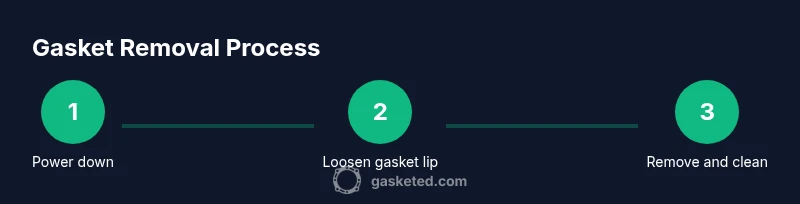
Power down and cool the grill
Turn off the grill, close vents, and allow the unit to cool completely before touching any gasket. Remove any heat-sensitive accessories. This prevents accidental burns and reduces risk of warping the gasket seating surface.
Tip: Always verify the surface temperature with the back of your hand a few inches away from the ceramic; if it feels warm, wait longer. - 2
Inspect gasket condition and plan removal
Look for cracks, hardening, or peeling along the gasket. Decide whether removal is driven by wear or an upgrade. A worn gasket typically signals replacement; otherwise plan a careful removal to avoid damaging the lip.
Tip: Take photos of the gasket in place so you have a reference when reinstalling or replacing. - 3
Clear work area and remove accessories
Remove the grill grate, ash basket, and any probes. Place them out of the way on a heat-resistant mat. Create a clean, stable workspace with a drop cloth to catch gasket fragments.
Tip: Label small parts if you detach anything that may be difficult to reassemble. - 4
Loosen the gasket lip with a plastic tool
Gently insert a plastic scraper under the gasket lip at several points. Work in short, precise motions to avoid bending or gouging the ceramic. Keep pressure even as you work around the circumference.
Tip: Use light, deliberate prying rather than forceful jabs to minimize damage. - 5
Lift and remove the gasket gradually
Continue to lift the gasket in small sections, alternating around the rim. If adhesive binds, apply a small amount of neutral heat to soften it, then resume lifting. Stop if you notice cracking or excessive resistance.
Tip: Don’t rush this step; rushed removal is a common source of lip damage. - 6
Clean adhesive residue and inspect seating surface
Wipe away all adhesive with degreaser, then wash with warm soapy water. Dry thoroughly and inspect the seating lip for grooves or nicks that could leak air. If damage is found, consider replacement rather than reuse.
Tip: Use a lint-free cloth to avoid leaving fibers behind that could affect sealing. - 7
Decide on replacement vs reuse
If the gasket is cracked or severely worn, replace it with a compatible kit. If it’s clean and intact, you may reuse after proper cleaning. Always follow the gasket manufacturer’s guidelines for reuse viability.
Tip: Document the decision in your maintenance log for future reference. - 8
Reinstall gasket and curing considerations
Place a new gasket carefully around the rim, or reseat the existing one if you’re reusing. Allow any adhesive to cure per the manufacturer’s instructions before using the grill for high-heat cooks. Reassemble accessories and verify alignment before a test burn.
Tip: Check for uniform seating around the entire circumference during installation. - 9
Test heat cycle and monitor for leaks
Perform a short burn to verify seal and airflow. Observe for smoke leakage, unusual sounds, or temperature swings. If anything seems off, pause cooking and re-check gasket seating and adhesion.
Tip: Do not exceed recommended cure times before testing; improper curing can compromise seal.
Common Questions
Is it safe to remove the gasket from a Big Green Egg?
Yes, as long as the grill is fully cooled and you handle tools carefully. Follow the steps to avoid damaging the ceramic lip.
Yes, but make sure the grill is cool and you use careful, plastic tools to avoid damage.
Do I need to replace the gasket after removal?
If the gasket shows cracks, hardening, or loss of adhesion, replacement is recommended. If it’s in good condition, you can reuse after cleaning.
Replace if you see cracks or hardening; otherwise you can reuse after cleaning.
Can I reuse an old gasket after removing it?
Reuse is possible only if the gasket is intact, clean, and free of adhesive residue. Deep cracks or flattened sections usually require replacement.
Only if it’s intact and clean; otherwise replace.
What tools are essential for gasket removal?
A plastic scraper, heat-resistant gloves, degreaser, cleaning cloths, and a clean workspace are essential for safe removal.
You’ll want a plastic scraper, gloves, degreaser, and clean towels.
Will removing the gasket affect cooking temperature?
Removing or replacing a gasket can alter airflow and heat retention. Plan for a test burn to verify seals and performance before regular cooking.
Yes, it can affect airflow and heat retention; test after maintenance.
How long does gasket removal typically take?
Most removals take about 30-45 minutes, depending on gasket type, adhesion, and how thorough you are cleaning the seating surface.
Most removals take about half an hour to forty-five minutes.
Watch Video
Key Takeaways
- Assess gasket condition before removal.
- Use plastic tools to prevent damage.
- Decide on replacement vs reuse based on wear.
- Follow curing instructions for any adhesive or gasket kit.