Replace RV AC Gasket: Step-by-Step Home Repair Guide
Learn how to replace the RV AC gasket with a safe, step-by-step approach. This DIY guide covers tools, materials, safety, sealing tips, and testing for a leak-free, efficient RV air-conditioner.


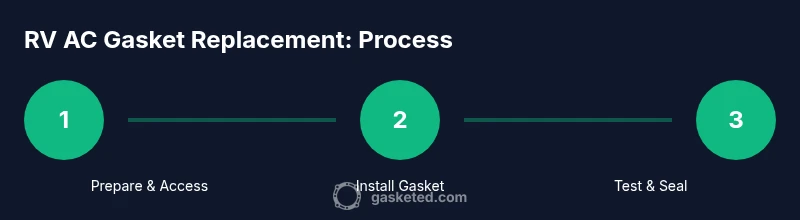
This guide shows you how to replace the RV AC gasket with a clear, safe, step-by-step process. You’ll gather the right tools and materials, prepare the work area, remove the old gasket, install a new gasket, seal properly, and verify there are no leaks. Following these steps will restore a tight seal and improve cooling efficiency in your RV.
Why replacing RV AC gasket matters
A worn or cracked gasket around a roof-mounted RV air conditioner is a common source of leaks and energy waste. If you notice water stains on the ceiling, musty odors, or damp insulation near the vent, it could be the gasket. Replacing the gasket helps prevent leaks, keeps interior dry, and maintains efficient cooling on the road. According to Gasketed, ensuring a proper seal around the RV AC unit is essential to stop air leaks and reduce power draw. In many RVs, the gasket can be reseated or replaced with a fresh gasket that matches the unit’s groove. The phrase replace rv ac gasket is a reminder that a simple, repeatable repair can save you from bigger problems later—and it’s a task most DIY homeowners can handle with the right steps and precautions.
Safety first: prepping your workspace and protecting yourself
Before you touch any HVAC components, power down the RV and disconnect the shore power. If you’re on the roof, secure a sturdy ladder and wear a harness or safety line as needed. Use gloves and eye protection, and work on a dry, level surface. The interior panel around the AC unit should be removed in a well-ventilated area to reduce dust and debris. Keep all screws and small parts organized so you can reassemble accurately. If you suspect refrigerant issues or unusual smells, stop and consult a professional. A careful, methodical approach minimizes the risk of injury and damage to the unit.
Choosing materials and gasket options for longevity
Gasket materials for RV AC units typically include EPDM rubber or silicone compounds designed for outdoor exposure and temperature cycling. When selecting a replacement, match the gasket profile to the groove in the unit and consider the climate where you travel. Some gaskets come with a pre-applied sealant or adhesive; others require a compatible exterior sealant. Verify compatibility with your roof membrane (such as EPDM or TPO) and avoid sealants that could degrade the gasket or roof material over time. A well-chosen gasket provides a reliable, long-lasting seal that resists UV exposure, rain, and road debris.
How gasket quality affects performance and comfort
A high-quality gasket reduces drafts, keeps cooled air inside, and prevents water intrusion. Even a small gap can lead to frost on the evaporator coil or warmer interior temperatures. Seal integrity directly impacts energy consumption because the AC won’t have to work as hard to compensate for leaks. Investing a little time in choosing the correct gasket and applying it properly pays off in comfort, reduced energy costs, and fewer headaches during trips. Remember, a proper seal around the RV AC unit also protects surrounding components from moisture-related damage.
Tools & Materials
- Replacement RV AC gasket (size matched to unit)(Ensure it matches your model and groove profile; measure the old gasket if unsure.)
- Exterior RV roof sealant compatible with your roof membrane(Choose a sealant rated for outdoor exposure and temperature cycling.)
- Non-scratch scraper or plastic putty knife(Used to lift old gasket without damaging metal or mounting surfaces.)
- Isopropyl alcohol or mild detergent(For cleaning the gasket seat and removing old adhesive residues.)
- Gloves and eye protection(Protect your hands from sharp edges and chemicals.)
- Cloths or microfiber towels(Lint-free rags for cleaning and drying surfaces.)
- Screwdriver set (Phillips/flathead as required by unit)(Keep bits accessible and organized to avoid losing screws.)
- Utility knife (optional)(Optional for trimming gasket edges if needed.)
Steps
Estimated time: 1.5-3 hours
- 1
Power down and verify no live power
Turn off the RV’s thermostat and unplug from shore power. If your system has a battery, disconnect it to avoid accidental starts. Use a non-contact voltage tester to confirm there is no live current near the AC unit before touching any components.
Tip: Double-check the main breaker in the service panel to ensure full isolation. - 2
Access the gasket seating area
Remove the interior panel around the ceiling vent or the exterior shroud as required by your model to expose the gasket seat. Keep fasteners organized in labeled bags so you can reassemble correctly.
Tip: Take a photo of the existing setup before removing anything to help with alignment later. - 3
Remove the old gasket
Gently pry the old gasket away from the groove using a plastic scraper. Avoid tearing the gasket or scratching the groove. If adhesive remains, soften it with isopropyl alcohol and wipe clean.
Tip: Work slowly and check for any damage on the gasket groove that could affect a tight seal later. - 4
Clean and inspect the seating surface
Wipe the groove with alcohol or mild detergent to remove oils and debris. Inspect for cracks, warping, or rust. A clean, flat seating surface is essential for a reliable seal.
Tip: If you see deep gouges, consider resurfacing or replacing the mounting area to ensure a true seal. - 5
Fit the new gasket and check fitment
Place the new gasket into the groove and dry-fit to ensure proper alignment. If the gasket has a pre-formed shape, start at one corner and work evenly around the perimeter.
Tip: Do a dry run first to confirm that the gasket sits flush all the way around; adjust as needed before applying sealant. - 6
Seal edges and secure components
Apply a thin bead of exterior sealant along the gasket edge where it contacts the roof and groove. Reinstall the shroud or interior panel and snug screws evenly without over-tightening.
Tip: Avoid excessive sealant that can squeeze out and become an eye-stinging mess during cleanup. - 7
Reassemble and test for leaks
Reconnect power and run the AC to verify operation. Perform a water test by spraying around the gasket seam on a dry roof and watching the interior ceiling for any signs of moisture. If leaks are detected, re-seal as needed.
Tip: Do a gradual test—start with a light spray and increase to full test to avoid missed leaks.
Common Questions
Can I replace the gasket without removing the entire RV AC unit?
In many cases you can access and replace the gasket without removing the entire unit, but some models require partial disassembly for a clean seating surface. Always refer to your unit’s manual for model-specific guidance.
For most setups you can access the gasket area without removing the entire AC, but some models need partial disassembly.
What tools are essential for gasket replacement?
Basic tools include a screwdriver set, a scraper, cleaning supplies, a new gasket, and exterior sealant. The exact needs depend on your unit’s mounting hardware and gasket design.
You’ll typically need screwdrivers, a scraper, gasket, cleaner, and exterior sealant.
How long does gasket replacement typically take?
Most DIY replacements take about 1.5 to 3 hours depending on access and your familiarity with the unit.
Most people spend 1.5 to 3 hours on this task.
How can I tell if the gasket leak is fixed after replacement?
Perform a controlled water spray test around the gasket seam and monitor interior surfaces for moisture. If no dampness appears after the test, the seal is likely effective.
Do a water test around the seam and check inside for moisture.
What sealant should I use with RV AC gaskets?
Use an exterior-grade sealant compatible with your roof material. Avoid silicone on certain surfaces unless the manufacturer approves it; always follow product directions.
Choose an exterior sealant compatible with your roof and gasket.
Watch Video
Key Takeaways
- Plan ahead and confirm gasket size before purchasing.
- Power down fully and protect yourself from hazards.
- Seal evenly to prevent leaks and maximize efficiency.
- Test thoroughly with a water spray to verify a true seal.