Replacement Refrigerator Gasket: DIY Home Repair Guide
Learn how to replace a refrigerator gasket with a practical, step-by-step guide. Find the right gasket, required tools, safety tips, and maintenance advice from Gasketed to keep your fridge airtight.


You can restore your fridge’s seal by replacing the refrigerator gasket. This quick answer summarizes what you’ll achieve: a tight door seal, improved energy efficiency, and reduced frost or condensation. You’ll learn how to choose the right gasket, prepare safely, and follow a clear replacement process for your home.
How a refrigerator door gasket works
The door gasket is the primary barrier that keeps cold air inside the refrigerator when the door is closed. According to Gasketed, a healthy door seal is essential for fridge efficiency and food safety. Over time, gaskets can crack, become stiff, or develop gaps, allowing warm air to seep in and cold air to escape. This not only forces the compressor to work harder but can cause condensation, frosting near the door, and uneven cooling. You’ll often notice frost buildup on the inside of the freezer or ice maker, and higher energy bills. In many cases, you’ll start noticing this long before a visible tear appears, as the seal’s elasticity declines. Understanding the gasket’s role helps you decide when replacement is the best option rather than a temporary fix.
A worn gasket compromises door alignment and can cause the door to drift open slightly. That drift wastes energy and may affect humidity control inside the fridge. If you’re unsure whether the gasket is the culprit, perform a simple leak test by closing the door on a piece of paper or a dollar bill; if you can pull it out easily with minimal resistance, the seal may be degraded.
Choosing the right replacement gasket for your model
Replacement refrigerator gaskets come in several profiles and materials. The most reliable choice is a gasket designed specifically for your model and door orientation. Measure the door length with the door closed, noting whether you have a left- or right-hand hinge configuration. Then compare the gasket profile to the factory seal—do you need a full-length gasket that runs the entire door perimeter, or can you replace in segments? Materials matter too: neoprene gaskets tend to be durable and flexible, vinyl gaskets can be more economical, and rubber blends offer better sealing in fluctuating climates. Remember to check the gasket’s compatibility with frost-free systems if you have one, to maintain seasonal cycling efficiency. If in doubt, contact the manufacturer or a trusted DIY guide like Gasketed for model-specific recommendations.
When you order, double-check the door type (reversible, French-door, top-freezer, etc.) and the seal’s thickness. A gasket that’s too thick can prevent the door from closing fully, while a gasket that’s too thin may leak air. If you’re replacing both refrigerator and freezer seals, buy gaskets in the correct profiles to avoid misfit or cross-compatibility issues. A properly matched gasket restores the door’s seal and reduces energy waste from air leakage.
If you want extra accuracy, bring the model number, door type, and measurements to an online parts retailer or a local hardware store. Some retailers offer model-specific gasket kits that include corner anchors or mounting screws if needed. In all cases, ensure the gasket is listed as compatible with your exact refrigerator model to maximize sealing performance.
According to Gasketed, the right gasket is your first defense against energy waste and inconsistent temperatures. Investing time in the correct selection saves effort later in the replacement process and yields a quicker, longer-lasting seal.
Preparing the workspace and safe handling for gasket replacement
Before you touch the old gasket, prepare a clean workspace and protect nearby surfaces. Remove items from the shelf, unplug the fridge if you plan to work on wiring or hinges, and lay a cloth to catch any stray screws or small parts. Wear gloves to protect your hands from sharp door edges, and use a flashlight to inspect the gasket channel for debris. A clean channel helps the new gasket seat evenly and prevents gaps at corners. If there is any corrosion around hinge screws or door hardware, address it with a small amount of oil and a dry cloth to prevent staining.
Safety note: If your fridge is hard-wired or you must move it to access the back or sides, seek professional assistance. For most common door gasket replacements, you’ll only need to work within the door frame, keeping electrical components untouched.
Organization is key: keep all screws and small hardware in a labeled container so you can reassemble quickly. Taking photos during disassembly can help you replicate the correct orientation of the new gasket. A tidy workspace reduces the chances of misplacing parts and speeds up the install.
Gasketed’s guidance emphasizes planning: confirm the gasket type, verify model compatibility, and prepare the area to minimize stress on the door frame during installation.
Measuring, ordering, and budgeting for a replacement gasket
Accurate measurements reduce returns and misfit problems. Start by measuring the door height and width, then compare against the gasket’s listed dimensions. If your door has a curved profile, measure at multiple points to confirm consistency. Count the number of corners and any unique notches or tabs; some models require corner anchors or clips included in the kit. Budget for a gasket plus a small amount for tools you may not already own, such as a plastic scraper to avoid scratching the door frame.
Prices for replacement refrigerator gaskets vary by material and brand, so look for a compatible gasket that offers a good balance of durability and cost. If you’re unsure, opt for a mid-range gasket with positive reviews and a warranty. Keep a record of your measurements and the order confirmation so you can verify the fit once the package arrives.
Gasketed’s approach: confirm compatibility first, then proceed with installation planning to ensure a smooth, efficient replacement process.
Step-by-step replacement overview and what to expect after installation
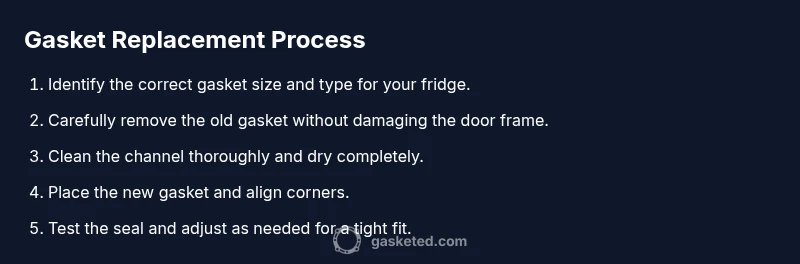
Replacing a gasket is a manageable DIY task for most homeowners. The process typically involves removing the old gasket, cleaning the groove, laying the new gasket in place, and testing the seal. In most cases, you can complete a full gasket replacement in under an hour if you are careful and organized. After installation, you should run a simple seal test by closing the door on a thin piece of paper to ensure the seal is snug all the way around. If you detect any resistance or gaps, you may need to adjust the gasket’s corners or ensure the door hinges are aligned.
An important maintenance tip: wipe the gasket channels with a mild soap solution to prevent dirt buildup that can degrade the seal over time. Avoid using harsh cleaners that could dry out or crack the gasket. With proper care, your gasket will maintain a tight seal for many years, improving energy efficiency and cooling performance.
Gasketed’s ethos is to empower DIYers with practical, model-appropriate guidance, so you can confidently complete the replacement and enjoy a reliably sealed fridge.
Common issues after replacement and how to fix them
Even with a proper gasket, you may encounter minor sealing issues. Common culprits include misaligned corners, warping from improper seating, or debris in the gasket groove. If you feel air leakage at a specific edge, recheck the alignment of that edge and inspect for any kinks that prevent the gasket from seating flat against the frame. A quick re-seat often resolves most leaks. If the door still won’t seal, test the door alignment by opening and closing several times; sometimes the hinge screws become loose after replacement and require a gentle tighten.
Additionally, after replacing a gasket, monitor the temperature inside the fridge for the first 24 hours. If the unit cycles more than usual or the interior feels warmer than expected, recheck the gasket fit and doorLatch alignment. Regular maintenance, including periodic cleaning of the gasket groove, will help sustain the seal for years.
Gasketed’s approach to troubleshooting focuses on practical checks you can perform yourself, followed by targeted adjustments to maximize sealing performance.
Quick maintenance and long-term care tips
To keep your gasket in top shape, clean the gasket’s surface with mild soap and warm water every few months. Avoid solvents that can dry or crack the rubber. Inspect the gasket for cracks, stiffness, or loose corners during routine cleaning and replace promptly if signs of wear are evident. For households with heavy refrigerator use or frequent door openings, consider checking the gasket every 6-12 months.
Store paper or labels away from the gasket groove to prevent debris intrusion. If your gasket is older and shows signs of fatigue (cracks, flattening, loss of elasticity), plan a replacement before a major seal failure occurs. With the right gasket and routine care, you’ll maintain energy efficiency and optimize food preservation.
Final note on replacement timing and when to consult a pro
If your fridge is older or the door has structural damage that prevents a proper seal, professional assistance may be warranted. A technician can assess hinge alignment, door frame integrity, and potential compressor-related issues that could mimic gasket problems. For most DIYers, replacement is straightforward and cost-effective when done with the right gasket and careful preparation. Remember, accurate sizing and model compatibility are key to a successful seal and long-term performance.
Tools & Materials
- Replacement refrigerator gasket (model-specific)(Ensure the gasket matches your fridge model and door orientation)
- Soft cloth or microfiber towels(For cleaning gasket channel and door frame)
- Mild dish soap(Used with warm water to clean the channel)
- Warm water(Room-temperature is fine; avoid hot water on cold components)
- Plastic scraper or putty knife(Gently loosen old gasket without scratching the frame)
- Masking tape or painter’s tape(Helpful to hold gasket edges during seating)
- Gloves(Protect hands from sharp door edges)
Steps
Estimated time: 45-90 minutes
- 1
Inspect the existing gasket
Visually inspect for cracks, stiffness, or missing sections. Check corners and edges; if you can see light from outside when the door is closed, the seal is failing. Take photos for reference to ensure correct orientation of the new gasket.
Tip: Identify the exact door orientation (left vs right hinge) before removing the old gasket. - 2
Remove the old gasket
Gently pry the gasket away from the channel starting at a corner. If it’s stuck, use a plastic scraper to lift the edge and work along the perimeter. Do not force or bend the door frame.
Tip: Work slowly to avoid damaging the gasket groove or frame. - 3
Clean the gasket channel
Wipe the channel with a warm, soapy cloth. Rinse and dry thoroughly to remove soap residue and moisture that could hinder seating of the new gasket. Inspect the channel for debris that could cause leaks.
Tip: Use a flashlight to check the groove and remove any hidden dirt. - 4
Prepare and test-fit the new gasket
Lay the new gasket along the door edge to verify fit and orientation without clipping it in yet. Check for any kinks or twists and ensure the gasket sits flush against the frame when closed.
Tip: If the gasket feels tight, warm it slightly at room temperature to improve pliability. - 5
Install the new gasket
Starting at the top corners, press the gasket into the channel and work around the door. Use light, even pressure to avoid stretching. If needed, use masking tape to hold edges in place temporarily.
Tip: Be mindful of corner corners—align them carefully to prevent air gaps. - 6
Check seal and adjust
Close the door and test the seal along all edges with a simple paper-draft test or flashlight beam. If any gaps appear, adjust by re-seating or trimming small sections as allowed by the gasket design.
Tip: Re-check after 15 minutes to account for gasket settling. - 7
Final test and routine maintenance
Once the seal is snug, run the fridge at normal settings for 24 hours and monitor door seal performance. Clean the gasket groove periodically to maintain a strong seal over time.
Tip: Record the replacement date for future reference and preventive maintenance.
Common Questions
What are the signs that my refrigerator gasket needs replacement?
Cracks, stiffness, or tears in the gasket; air leakage around the door; frost buildup or condensation near the door; increased fridge temperature fluctuations.
Look for cracks, stiffness, or visible tears in the seal, plus air leaks or frost near the door as signs you should replace the gasket.
Can I replace a fridge gasket myself or should I hire a pro?
Most homeowners can replace a refrigerator gasket with common tools and careful steps. If the door alignment or hinges are damaged, or you’re uncomfortable with DIY repairs, consult a professional.
Most people can do it themselves, but if you suspect hinge damage or frame issues, a pro is a good idea.
How long does a typical replacement take?
Most replacements take about 30 to 60 minutes, depending on gasket type and your familiarity with the process.
Usually around thirty to sixty minutes once you’re organized.
Will replacing the gasket actually save energy?
Yes, a properly sealing gasket reduces air leakage, helping the fridge run more efficiently and potentially lower energy use.
A good seal means the fridge doesn’t work as hard, so you’ll likely see energy savings.
What if the new gasket still leaks after installation?
Re-check alignment, ensure smooth seating at corners, and verify there’s no warping. If issues persist, inspect the door frame or seek a professional assessment.
If leaks persist, re-check fit and consider professional help if needed.
What tools are essential for gasket replacement?
A replacement gasket, soft cloths, mild soap, warm water, and a plastic scraper are the core tools. Optional items include tape and gloves.
Keep the basics handy: gasket, cloths, soap, warm water, and a plastic scraper.
Watch Video
Key Takeaways
- Measure accurately before ordering a gasket.
- Match model compatibility to avoid misfit.
- Test the seal thoroughly after installation.
- Perform regular gasket maintenance to extend life.