Replacement Gasket for LG Front-Load Washer: DIY Guide
Learn how to replace the gasket on an LG front-load washer with a clear, step-by-step DIY guide. Get the right replacement gasket, gather tools, and test for leaks to restore a tight seal.


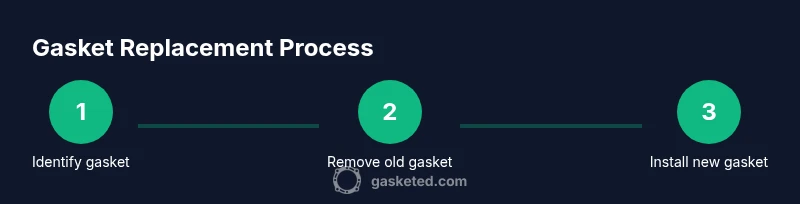
Goal: replace the gasket on an LG front-load washer to stop leaks and restore a watertight seal. You’ll need the exact replacement gasket for LG front load washer, basic hand tools, and a clean workspace. This quick guide covers safety checks, removing the old seal, installing the new gasket, and testing for leaks before returning the machine to normal use.
Why replacing a gasket is worth it
Water around the door boot is more than an annoyance; it’s a warning sign that your LG front-load washer gasket may be deteriorating. In real-world terms, a failing gasket can cause frequent leaks, mold buildup, and inefficient cycles that drive energy and water usage higher than necessary. For DIY enthusiasts, replacing the gasket is a cost-saving, confidence-boosting repair that can extend the life of your machine without hiring a technician. According to Gasketed, using the correct replacement gasket for LG front load washer is essential to prevent leaks and preserve door seal performance. You’ll know you’re on the right track when you can run a test cycle and see no moisture escaping from the boot area. If you notice softening, cracking, or pliable folds along the seal, that’s a clear signal the gasket has reached the end of its service life. The goal is a snug, uniform seal that accommodates the drum’s movement without binding, which keeps the wash quiet, efficient, and odor-free.
How to identify the right replacement gasket for LG front load washer
Choosing the exact gasket matters as much as buying a new belt. Start by locating the model number plate or tag on the washer and cross-checking it against LG’s official parts catalog or your trusted parts supplier. Look for terms like 'door boot gasket' or 'front tub seal' and note the diameter, mounting holes, and boot thickness. If you’re considering aftermarket options, verify compatibility with your model family and confirm the gasket material matches the original (rubber, silicone, or reinforced compounds). Gasketed Analysis, 2026 notes that proper fit is critical to long-term reliability. A poor fit can cause leaks, premature wear, or misalignment that affects drum operation. Keep a clean, organized workspace and take photos as you measure to compare with product listings. If the gasket design includes integrated water channels or anti-microbial features, ensure those features are present in the replacement. A well-matched gasket is the foundation of a lasting repair.
Understanding gasket materials and compatibility
Gasket materials vary by manufacturer, and the sealing needs of a washer differ from other appliances. Most LG front-load gaskets are made from durable rubber compounds designed to resist hot wash cycles and frequent immersion in water. When selecting a replacement gasket, check not only for correct outer dimensions but also for the inner lip profile, bead size, and any integrated features like anti-squeegee channels or vent ports. If you encounter silicone-based gaskets, be mindful of compatibility with your model’s tub and door boot design. Some aftermarket gaskets use generic profiles that look similar but do not seal as effectively under vibration. The best practice is to stick with a gasket that explicitly lists compatibility with your LG model range and to follow LG’s installation notes. Taking the time to match material properties helps prevent cracking, tearing, or swelling once the unit cycles through hot water and steam.
Safety and prep before you begin
Repairing a front-load washer requires attention to electricity, water, and moving parts. Unplug the machine and shut off the hot and cold water supply before you touch any internal components. Prepare a large towel or shallow pan to catch residual water, and place a soft mat to protect the floor. If your model uses a toe-kick panel, you’ll need to remove it carefully to access screws securing the front panel. Work in a well-lit space and keep a small container for screws and clips so you don’t lose parts. Before disassembly, take photos of the connections around the door boot and gasket so you can reference them during reassembly. Finally, read the installation notes for the replacement gasket—some models require additional locking rings or clamps with specific torque. Rushing may bend panels or strip fasteners, which complicates the job and increases the risk of leaks.
Tools and materials overview
Having the right tools ready before you start saves time and prevents mishaps. Essential items include a replacement gasket for LG front load washer, a set of screwdrivers (Phillips and flat-head), a Torx driver if your model uses Torx screws, a plastic pry tool or putty knife to lift the boot without tearing, towels or a shallow pan to catch water, and a flashlight for tight spaces. Optional but helpful items: water-safe lubricant, replacement clamps if the old ones are brittle, and a digital camera or smartphone to document the process. Make sure the workspace is clean and dry, and keep a small trash bag handy for packaging and packaging waste. Double-check the gasket model to ensure a snug fit before you begin the disassembly so you don’t waste time on the wrong part.
Step-by-step overview: what to expect during disassembly
Disassembly to replace a gasket is typically modular. You’ll access the door boot, detach the drum seal, and free the old gasket from the tub lip. Expect to encounter a few hidden fasteners behind the front panel and possibly under the toe-kick. Stay organized by labeling screws and clips as you remove them. If you encounter stubborn clips, apply gentle pressure with a plastic pry tool rather than bending the metal or plastic panels.
Step-by-step overview: installing the new gasket and reassembly
Align the new gasket’s inner lip with the drum opening first, then seat the outer lip onto the boot or tub flange. Reattach any retaining bands or clamps while ensuring the gasket sits evenly and without kinks. Reinstall the door boot into its mounting groove, then reassemble the front panel and toe-kick. Double-check all electrical connectors and hoses before closing the unit.
Testing for leaks and commissioning the machine
With the unit reassembled, reconnect the water supply, plug the washer back in, and run a short test cycle with the drum empty. Watch for any drips around the boot, seals, and clamps, and be prepared to tighten or reposition if needed. If you notice moisture, pause the cycle and inspect the gasket seating and clamps again. A thorough test early in the process helps prevent larger leaks after days of use.
Maintenance tips and troubleshooting
Regularly inspect the gasket for signs of wear, cracks, or hardening, especially after heavy cycles. Wipe the boot with a dry cloth to remove moisture, and keep the area around the gasket dry between uses to prolong life. If you detect odor from trapped moisture, consider running a monthly cleaning cycle with a washer-safe cleaner. If leaks recur after replacement, re-check gasket fit and clamps; sometimes a second pass is needed to ensure a perfect seal.
Common mistakes to avoid
Avoid rushing the replacement or forces parts into place. Using the wrong gasket or an ill-fitting model can create gaps that leak. Do not skip disconnecting power or water; never work on live electrical components. Finally, never reuse old clamps if they show signs of corrosion or loosening; replace them to ensure a secure, lasting seal.
Tools & Materials
- Replacement gasket for LG front load washer(OEM or OEM-equivalent; verify model compatibility using the model number)
- Torx driver and assorted screwdrivers(Include Phillips #2 and a small flat-head for access)
- Plastic pry tool or putty knife(Gently lift panels without scratching)
- Towels and a shallow pan(Catch residual water; protect floor)
- Flashlight or headlamp(Improve visibility in tight spaces)
- Gloves and safety glasses(Personal protection while handling components)
- Replacement hose clamps (optional but recommended)(Use new clamps if the old ones are brittle)
- Lubricant or gasket sealant approved for washers (optional)(Follow manufacturer guidance if used)
Steps
Estimated time: 60-90 minutes
- 1
Power down and unplug
Unplug the washer from the electrical outlet and ensure the machine is completely de-energized before any work begins. This prevents shocks and protects control circuitry during the repair.
Tip: Keep the plug within reach for a quick restart if needed. - 2
Shut off water and drain residual water
Turn off the hot and cold water supply valves and loosen the hoses to drain standing water from the drum and lines. Place towels to catch any remaining moisture.
Tip: Do this slowly to avoid splashing and to minimize water exposure on the floor. - 3
Access the gasket area
Remove the toe-kick panel if present and carefully detach the front panel to expose the door boot and gasket mounting area. Set screws and clips in a labeled container.
Tip: Document screw locations with photos to simplify reassembly. - 4
Release the old gasket from the tub lip
Loosen the edge clamp and begin peeling the old gasket away from the tub lip, working slowly to avoid tearing. Inspect the tub edge for damage.
Tip: Use a plastic pry tool to relieve tension without scratching metal. - 5
Detach the boot and gasket from the door frame
Release any retaining rings and separate the boot from the door frame, then remove the old gasket completely. Clean the tub lip before installing the new part.
Tip: Keep track of small clips; they often hide in the lint trap area. - 6
Prepare the new gasket and position
Inspect the new gasket for defects, align the inner lip to the drum opening, and ensure the outer lip seats evenly on the boot or tub flange.
Tip: Dry-fit first; avoid forcing the gasket into a misaligned position. - 7
Install the new gasket and reassemble
Secure the gasket with clamps or bands as required, reattach the boot to the door frame, reinstall the front panel and toe-kick, and reconnect hoses and electrical connections as they were.
Tip: Double-check that all fasteners are snug but not overtightened. - 8
Test for leaks
Power the washer back on and run a short validation cycle with no clothes to verify there are no leaks around the gasket.
Tip: If leaks appear, pause and reseat the gasket; ensure clamps are properly positioned.
Common Questions
Can I replace the gasket myself, or should I hire a pro?
Yes, a confident DIYer with basic tools can replace an LG front-load washer gasket by following a careful step-by-step guide. If you’re unsure about electrical work or disassembly, consider professional help to avoid damage.
Yes, you can do it yourself if you’re comfortable with basic appliance repair and follow the steps carefully.
Do I need an OEM gasket, or will aftermarket options work?
OEM gaskets provide the best fit and durability for LG washers. Aftermarket options can work if they are clearly stated as compatible with your model, but fit and longevity may vary.
OEM is generally the best choice for fit and reliability; aftermarket can work if they specify model compatibility.
How long does a gasket replacement typically take?
Most DIY gasket replacements take about 45 minutes to 2 hours, depending on the model and your experience. Plan for a slower start if you’re new to appliance repairs.
Most people complete it in under a couple hours, depending on model and experience.
What are the signs the gasket needs replacement?
Persistent leaks around the door boot, musty odors, or visible cracking indicate gasket wear. If you notice water pooling near the base after cycles, inspect the seal.
Look for leaks, smells, or cracks around the door boot; those are signals to replace.
Can I reuse the old clamps or fasteners?
It’s best to use new clamps where possible. Worn or corroded clamps can fail and cause leaks even with a new gasket.
Replace old clamps; they can fail and cause leaks.
Is it safe to run the washer during replacement?
No. Always unplug and drain water before working on the washer. After reinstalling, perform a test cycle with no clothes to verify sealing.
Unplug the unit and drain water before starting; test after resealing.
Watch Video
Key Takeaways
- Use the correct LG replacement gasket for a perfect fit.
- Follow the exact order of steps to prevent leaks.
- Test for leaks thoroughly after installation.
- Have towels ready and protect the floor during the job.
- Gasketed replacement requires careful reassembly; consult the model's manual if unsure.