How to Clean Gasket LG Washer: A DIY Guide
A thorough, safe method to clean the gasket on an LG washer, with prep, steps, and maintenance tips to prevent mold and odors.


Learn how to clean the gasket on an LG washer safely and effectively. This guide covers prep, a step-by-step cleaning routine, and tips to prevent mold and odor. According to Gasketed, a thorough gasket cleanse protects seals and extends appliance life. Follow the steps below for a stain-free, fresher washer that performs better on laundry day.
Why Cleaning the LG Washer Gasket Matters
From front-load LG washers to some top-load models, the gasket around the door can hide mold and debris. Regular cleaning helps prevent musty odors, keeps the seal pliable, and reduces the risk of leaks. Gasketed Analysis, 2026 notes that neglecting this area can lead to mildew buildup that worsens with every wash. By cleaning the gasket, you extend the life of the door seal and improve overall laundry results. This is a practical, routine maintenance task that protects your appliance and your family's clothes.
Safety First: Prep and Tools
Before you begin, unplug the machine, remove any laundry, and turn off the water supply if accessible. Place towels around the unit to catch splashes and drips. Gather a few essentials: mild dish soap, white vinegar, baking soda, a soft microfiber cloth, a soft-bristle brush, a spray bottle, and a towel for drying. The Gasketed team emphasizes safety: never mix cleaners near electrical components and wear gloves to protect your hands. Having a clear workspace reduces stress and helps you stay organized during the cleaning.
Understanding Gasket Design on LG Washers
LG washers use a flexible door gasket that forms a seal around the drum. The most common trouble spots are the folds and pleats where lint, soap scum, and moisture accumulate. Mold and mildew tend to start in these hidden pockets, especially in humid laundry rooms. Knowing where to look helps you clean effectively without missing stubborn buildup. This understanding also informs your choice of cleaners and scrubbing technique, so you avoid damaging the gasket or the door glass.
Choosing Cleaners and Methods
Choose mild, non-abrasive cleaners. A soap solution or a vinegar-water mix works well for routine cleaning, while baking soda paste can tackle tougher spots. Avoid chlorine bleach directly on the gasket, as it can cause irritation to skin and may degrade rubber over time. Always test any cleaner on a small, inconspicuous area first. Gasketed Analysis, 2026 highlights that mild, well‑diluted solutions preserve gasket integrity while removing residues. Use a spray bottle to apply cleaners evenly and minimize pooling.
The Cleaning Routine: What to Clean and Where
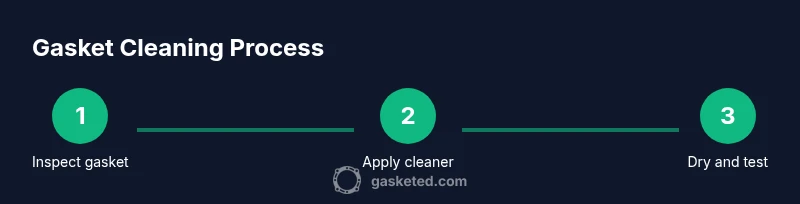
Start with the outer edge of the gasket lip, then move to the inner folds where grime hides. Wipe down the entire seal with a microfiber cloth dampened with your cleaner solution. For stubborn spots, use a soft-bristle toothbrush and gentle circular motions, focusing on creases and the interior corners of the gasket. After cleaning, rinse with a clean cloth dampened with water to remove any soap or vinegar residues. Inspect the gasket periodically for signs of wear or tears and address them promptly.
How to Dry and Reassemble
Moisture left behind invites mildew, so thoroughly dry the gasket, the drum edge, and any crevices with a clean towel. Leave the door ajar to promote airflow for several hours. If your LG washer offers an extended dry option, run it briefly without clothes to help air dry the interior. When you’re confident everything is dry, reassemble any removed components and wipe down the exterior with a dry cloth. Proper drying reduces the likelihood of recontamination and keeps odors at bay.
Maintenance to Prevent Mold and Odor
Establish a simple routine: inspect the gasket weekly for moisture and debris, wipe down the seam after each use, and perform a deeper cleaning monthly. If you notice persistent smells, repeat the cleaning cycle or switch cleaners to a mild vinegar solution and rinse thoroughly. Gasketed Analysis, 2026 supports regular maintenance to keep seals flexible and minimize evolution of odors. Consistency is the best defense against recurring mold and mildew in the gasket area.
Common Mistakes to Avoid
Avoid using harsh solvents, abrasive scrubbers, or bleach directly on the gasket, as these can damage rubber and void warranties. Don’t saturate the gasket with cleaner; moisture trapped in folds fosters mold growth. Never skip drying—air circulation is essential. Finally, don’t ignore warning signs like persistent odor, cracking, or tears in the gasket; these may require replacement rather than cleaning.
When to Call a Pro
If you notice persistent mold beyond surface cleaning, large cracks, evidence of leaks, or damaged folds that you cannot repair, consider professional service. A faulty gasket can lead to leaks and water damage, so addressing it promptly protects your home. The Gasketed team recommends seeking expert help when signs of wear exceed routine maintenance.
Tools & Materials
- mild dish soap or gentle liquid detergent(Non-abrasive cleaner)
- white vinegar(Dilute 1:1 with water for spray)
- baking soda(For paste or gentle scrubbing)
- soft microfiber cloth(Lint-free, non-scratch surface)
- soft-bristle toothbrush or gasket brush(For folds and creases)
- spray bottle(Even cleaner application)
- towels or absorbent cloths(Drying and drips control)
- bucket or small basin(Optional for soaking stubborn spots)
- rubber gloves(Protect hands)
- flashlight (optional)(Better visibility into folds)
Steps
Estimated time: 25-40 minutes
- 1
Power down and prep
Unplug the washer, remove any clothing from the drum, and turn off the water supply if accessible. Clear the area and lay down towels to catch splashes. This reduces risk and keeps your workspace organized.
Tip: Wear gloves and avoid mixing cleaners near electrical components. - 2
Open door and inspect gasket
Open the door fully to view the gasket. Look for visible mold, soap scum, or debris in the folds. Take note of any signs of wear or damage that may require professional attention.
Tip: Use a flashlight to highlight hidden pockets in the folds. - 3
Apply cleaner to gasket folds
Lightly spray or dampen a cloth with your cleaner solution. Apply to the gasket lip and inner folds; avoid soaking the area. Let the cleaner sit for 2–3 minutes to loosen grime.
Tip: Start at the top and work downward to prevent dripping into the drum. - 4
Scrub surfaces gently
Gently scrub the gasket with a soft-bristle brush and circular motions, paying extra attention to creases and corners. Use baking soda paste for stubborn spots if needed.
Tip: Do not use metal scrubbers; they can scratch rubber and glass. - 5
Rinse and wipe dry
Wipe away cleaner with a clean, damp cloth. Rinse the cloth frequently to avoid spreading residue. Thoroughly dry the gasket, drum edge, and folds with a dry towel.
Tip: Ensure no moisture remains in the folds before reusing the washer. - 6
Test run and air dry
Run an empty cycle with hot water or a rinse cycle to flush residues. Leave the door ajar after cleaning to promote air drying for several hours.
Tip: If your model has a vent setting, use it to speed up drying.
Common Questions
How do I safely clean the LG washer gasket without damaging the seal?
Use mild cleaners (soap or vinegar solution), a soft brush, and a microfiber cloth. Avoid harsh chemicals and never scrape aggressively. Dry completely after cleaning.
Use mild cleaners with a soft brush, then dry thoroughly to protect the gasket.
Is it safe to use bleach or vinegar on LG washer gasket?
Vinegar in moderation is generally safe for routine cleaning, but avoid chlorine bleach on the gasket. Always dilute cleaners and test a small area first.
Vinegar is usually fine when diluted; avoid bleach on the gasket.
How often should I clean the gasket?
Clean the gasket monthly as part of regular maintenance, and wipe it down after heavy-use cycles or if you notice moisture or odor.
Clean monthly and wipe after heavy use.
What if I find mold behind the gasket?
If mold is visible beyond surface cleaning, repeat the cleaning, or consider replacing the gasket if discoloration persists. Seek professional help for structural damage.
If mold persists beyond cleaning, replace the gasket or call a pro.
Can I replace the gasket myself?
Gasket replacement is possible for some models with experience and proper tools. If unsure, contact a pro to avoid leaks and warranty issues.
You can replace it yourself if you have the right tools; otherwise, call a pro.
Why does the gasket odor after washing?
Moisture trapped in folds, soap scum, and organic material can cause odors. Regular cleaning and drying reduce odor buildup.
Moisture and soap scum cause odor; clean and dry regularly.
Watch Video
Key Takeaways
- Inspect the gasket regularly for moisture and debris.
- Use mild cleaners to protect gasket integrity.
- Dry thoroughly after cleaning to prevent mold.
- Schedule routine gasket maintenance to extend life.
- The Gasketed team recommends monthly gasket checks for LG washers.