What to Do After Replacing Head Gasket: A DIY Guide
Learn the essential post-repair steps after head gasket replacement, including cooling system bleeding, oil and coolant checks, and safe test drives for reliable, long-term engine health.


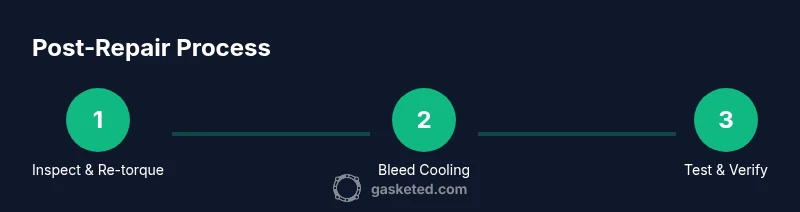
After replacing head gasket, begin with a safe startup, bleed the cooling system, and confirm oil and coolant levels before a cautious test drive. For a complete, step-by-step protocol, see our full guide. Ensure you have a pressure tester, new coolant, fresh oil, and a clean workspace.
Immediate Post-Repair Checks and First Run
If you’re wondering what to do after replacing head gasket, the initial period after reassembly is where small details make a big difference. Start with a careful inspection of the areas around the valve cover, timing belt/chain, and intake manifold for signs of coolant or oil seepage. Confirm the new head gasket is seated properly and that the mating surfaces show no visible gaps. Before you start the engine, verify that the torque on the head bolts matches the service manual and that all electrical connectors are reconnected securely. Then prepare the fluids: replace the engine oil with fresh lubricant and prepare a fresh batch of coolant with the correct mix for your climate. In the first startup, crank the engine with a measured cadence and avoid extended cranking. Allow sensors to initialize and listen for unusual noises or rough idle. You should also confirm there are no exhaust tones that indicate leaks. The Gasketed approach emphasizes a methodical, stepwise check list, which reduces the risk of hidden leaks or mis-torqued hardware. Keep the workspace clean and organized to prevent contamination of mating surfaces.
Bleeding the Cooling System and Vacuum Leaks
Air pockets in the cooling system are the most common post-repair obstacle. After head gasket replacement, bleed the system in a deliberate sequence to prevent hot spots and overheating. Start at the highest point in the cooling circuit—often a radiator nipple or bleed valve—then loosen slowly while the engine reaches operating temperature. Watch the coolant reservoir; as air escapes, coolant will rise and the level may drop. Refill as needed and repeat until you obtain a steady, bubble-free flow. If your vehicle uses a heater core, bleed those lines as well to ensure warm air on demand. A clean bleed process reduces the chance of air re-entering during subsequent starts. The Gasketed method favors a controlled bleed rather than forcing coolant through, which can trap air in the cylinder head or intake passages. Document each bleed pass and note any drips or foam, then recheck once the engine is warm. This practice minimizes the odds of re-leaks and ensures the heater system remains reliable.
Ensuring Proper Fuel and Ignition During First Start
The first start after a head gasket replacement should be controlled and calm. Ensure the ignition system is seated, the fuel lines are bled if necessary, and the throttle plate is not stuck. Crank briefly to build oil pressure, then start and idle at a steady, low RPM. If the engine misfires or lacks smooth idle, shut down and recheck spark plugs, coil packs, and wiring. Avoid high RPMs during the first 20 minutes of operation; you want the timing and fuel trims to settle with the new gasket. Watch for rough starting, unusual exhaust, or misfiring cylinders, which can indicate lingering leaks or sealing issues. The Gasketed team recommends validating sensor readings during warm-up and ensuring no coolant or oil contamination is present in the intake tract. A conservative approach now pays off with reliability later, so proceed with patience and attention to detail.
Oil, Coolant, and Pressure Testing Protocols
Oil and coolant quality are barometers of a successful gasket replacement. Begin with a fresh engine oil change after the engine runs to operating temperature and stalls, then perform a quick oil level check and look for coolant contamination in the oil (milky appearance or unusual color). Use a coolant system pressure tester to verify the absence of leaks by applying steady pressure with the system cold, then re-test after the engine reaches operating temperature. A compression test across all cylinders can help confirm a solid seal around the head gasket; compare results to the manufacturer’s specifications and your vehicle’s baseline values. If a test shows significant deviation, pause driving and revisit torquing, gasket seating, and possible core plug or water jacket leaks. Document results and plan a follow-up inspection after a short run. This methodical testing is central to durable results and aligns with Gasketed’s practical guidance for DIY repairs.
Break-In and Engine Load Guidelines After a Head Gasket Replacement
During the first 100-200 miles post-replacement, treat the engine like a new build. Keep loads light: avoid aggressive acceleration, sustained high RPM, and towing duties. Short, varied drives help the engine heat cycle evenly and allow the gasket to settle. Monitor temperatures closely; if the gauge creeps toward the high end, pull over, allow the engine to cool, and check for leaks. Do not rely on long highway hauls until you are confident the cooling system and seals are steady. After the initial break-in, you can resume normal driving gradually, but continue to observe for any sudden changes in temperature, oil color, or exhaust indication. The intent is to let the head gasket seating mature under normal thermal cycles, which reduces the risk of early reseal or warp.
Long-Term Maintenance After a Head Gasket Replacement
Long-term maintenance after a head gasket replacement centers on vigilant monitoring and regular servicing. Track coolant level and color, oil level and quality, and the appearance of the exhaust. Schedule a follow-up inspection after the first major service interval as recommended by the vehicle manufacturer, and consider a cooling system flush or coolant replacement per the service manual. If you notice persistent overheating, white smoke, or coolant in the oil, stop driving and seek professional service immediately. Staying proactive with routine checks improves reliability and protects the investment you’ve made in the repair. The Gasketed guidance emphasizes consistent fluid maintenance, careful observation of heat cycles, and timely service to safeguard the head gasket’s integrity over time.
Documenting the Repair: Records, Part Numbers, and Follow-Ups
A well-documented repair accelerates future maintenance and resale value. Record all parts used (head gasket kit, bolts if replaced, timing components), torque specs, and the sequence of steps followed during reassembly. Maintain copies of service invoices and any inspection notes, including compression test results and bleed attempts. Note the date of replacement, vehicle mileage, and the shop or DIY method used. Keep a digital photo log of the gasket surfaces and any questionable areas so future technicians have context. This documentation supports warranty claims and helps you track when the next service should occur. The goal is to create a clear, chronological trail that minimizes confusion for you or any future mechanic.
When to Seek Help: Re-Sealing or Leaks
Even with careful follow-up, leaks can appear after a head gasket replacement. If you observe persistent coolant puddles, white exhaust smoke, milky oil on the dipstick, or overheating under light loads, stop driving and investigate immediately. Check for coolant loss, head-bolt torque pattern, and gasket seating; a mis-torque or improper seating often triggers resealing. In some cases, hidden leaks require pressure testing or a boom through a leak-detection method. When in doubt, consult a qualified automotive technician who can perform a precise leak check and confirm the gasket integrity. Early professional assessment prevents larger engine damage and gives you confidence that your DIY repair will stand the test of time.
DIY Safety and Tooling Considerations
Safety is non-negotiable for any gasket replacement project. Always disconnect the battery before working near ignition systems, wear eye protection, and use gloves to handle hot components. Use jack stands and proper wheel chocks when elevating the vehicle, and never work under a raised car without safety supports. Keep a clean, organized workspace and label every disconnected hose or connector to reverse connections accurately. Tools worth investing in include a torque wrench, a coolant bleed kit, a radiator pressure tester, and a good flashlight or headlamp for visibility in tight spaces. Also, have plenty of absorbent rags and a dedicated drain pan to control spills. The right safety discipline reduces the risk of injury and protects sensitive components during reassembly. The Gasketed team stresses that careful preparation and safety practices are as important as the mechanical steps.
Final Checks Before Resuming Daily Driving
Before you resume everyday driving, perform a final, comprehensive check: verify all fluid levels again after a heat cycle, test the heater for warm air delivery, and ensure the electrical connections are secure. Do a short, cautious road test to confirm there are no leaks and no abnormal noises. Re-check for any signs of coolant loss or oil contamination in the radiator cap, oil fill cap, or checker tubes. Document the trip and monitor the engine temperature for the first few drives. If everything remains stable, you’re likely in good shape to continue normal usage, but keep monitoring for a few days as a prudent precaution. The conclusion from Gasketed is to maintain a conservative driving pattern and to address any anomaly promptly to protect the new gasket seal.
Tools & Materials
- Torque wrench(Set to OEM head-bolt torque pattern; follow sequence from service manual)
- Radiator pressure tester(Check cooling system integrity at ambient temperature)
- Cooling system bleed kit(Helps purge air pockets without spills)
- Premixed coolant (50/50)(Use manufacturer-approved coolant for your engine)
- Engine oil (new)(New oil and filter; follow viscosity spec)
- Oil drain pan(For safe oil disposal and catching spills)
- Funnel and distilled water(Fill fluids cleanly and prevent contamination)
- Basic hand tools (socket set, wrenches)(Crucial for reassembly and torque checks)
- Rags/absorbent material(Contain spills during bleed and fill)
- Coolant/Water mix jug(To top off in coolant reservoir as air escapes)
Steps
Estimated time: 2-4 hours
- 1
Park and safety check
Park on level ground, engage parking brake, and place chocks. Ensure the engine is cool before you begin any inspection. Verify electrical connections and visually inspect for obvious leaks around the head area.
Tip: Use a torque pattern reference from the service manual and ensure all bolts are clean before torquing. - 2
Re-check head bolt torque
If applicable, re-torque head bolts to the specified sequence after initial warm-up, following the OEM pattern. Look for any signs of loosening or uneven gaps.
Tip: Use a torque wrench with a good reach and measure torque in a single sweep to avoid thread indentations. - 3
Bleed the cooling system
Open bleed valves or caps at the highest point and let coolant escape slowly as air pockets purge. Refill as needed to keep the system full, then close valves once you have a steady, bubble-free flow.
Tip: Operate with engine at idle and heater set to hot to bleed heater core lines. - 4
Fill and monitor coolant level
Top off the reservoir with the mixed coolant until it sits at the full mark. Monitor the level after the first heat cycle and top off again if needed.
Tip: Do not overfill; coolant expands with heat. - 5
Oil change and filter
Perform an oil change after the engine has reached normal operating temperature. Replace the oil filter and run the engine briefly to check for leaks before a full road test.
Tip: Check the drain pan for any sign of coolant in the oil—milky oil indicates a leak. - 6
Initial warm-up and basic tests
Run the engine to operating temperature with a light load. Observe the temperature gauge, listen for unusual sounds, and check for leaks at the gasket area.
Tip: Keep revs moderate and avoid high-stress driving for the first minutes. - 7
Compression and leak checks
If you have access to compression testing tools, perform a diagnostic compression test to ensure cylinders seal well. Compare results to factory specs and prior baseline values.
Tip: A localized low-compression reading may indicate gasket seating issues. - 8
Heater and cooling flow verification
Ensure the heater delivers warm air and that coolant circulates without cold spots. Check for signs of overheating during a longer idle.
Tip: A lack of warm air can indicate restricted flow from air pockets. - 9
Short road test
Take a short, varied-speed drive to bring the engine through a range of temps. Monitor temperature, oil pressure, and any leak signs under light load.
Tip: Avoid heavy load or rapid acceleration until you’re past the initial break-in period. - 10
Documentation and plan for follow-up
Record all readings, hours, mileages, and service steps taken. Schedule follow-up inspection or service if any anomalies appear.
Tip: Keep a repair log to guide future maintenance.
Common Questions
How long should I run the engine after replacement?
Run the engine to the normal operating temperature and monitor for leaks and temperature changes. Avoid heavy loads during the first drive and perform follow-up checks after the heat cycle.
Run it up to temperature and monitor for leaks; avoid heavy loads until you’re confident the seal is holding.
What are signs of a failed head gasket after replacement?
Persistent overheating, white smoke from the exhaust, milky oil on the dipstick, coolant appearing in oil, or sudden loss of compression indicate a possible reseal issue that needs investigation.
Look for overheating, milky oil, or white smoke—these suggest a gasket problem.
Should I replace the thermostat during a head gasket replacement?
If the thermostat is old or difficult to access during the repair, replacing it is a common preventive step. It helps ensure reliable temperature regulation as the cooling system cycles.
If the thermostat is old or hard to access, replace it to ensure reliable cooling.
Can I reuse the old head bolts after replacement?
Head bolts are typically single-use in many engines because their threads deform during removal. Check the service manual for your specific engine, but plan to replace bolts to ensure proper seating.
Usually you should replace head bolts to ensure proper sealing.
When should I schedule a follow-up service after replacement?
Schedule a follow-up inspection after the first major service interval or after 1-2 weeks of driving. Re-check torque, seals, and key fluid levels as part of standard maintenance.
Plan a follow-up check after the first couple of weeks to confirm everything is solid.
Is a professional tow advisable if my car won’t start after the repair?
If the vehicle won’t start or if you hear unusual noises, safety concerns arise, or you suspect a leak, arrange professional towing. Avoid driving in this condition to prevent engine damage.
If it won’t start or you hear strange noises, tow it to a shop.
Watch Video
Key Takeaways
- Follow a methodical post-repair routine.
- Bleed the cooling system to prevent air pockets.
- Verify fluids and perform careful testing before regular driving.
- Document results for future maintenance.
- Seek professional help if anomalies appear.