How to Seal Gasket Rubber: A DIY Guide
Learn how to seal gasket rubber effectively with a step-by-step guide, material tips, and safety precautions to prevent leaks in appliances, plumbing, or automotive use.


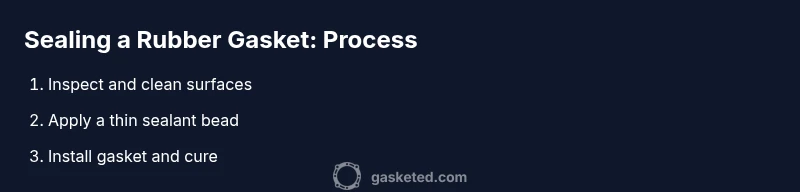
By following these steps, you will learn how to seal gasket rubber effectively. Start by assessing material compatibility and choosing a suitable sealant, then clean the surfaces, apply the sealant evenly, place the gasket, and allow it to cure before testing for leaks. This approach minimizes leaks and extends gasket life.
Why proper gasket sealing matters\n\nLeaks from rubber gaskets can cause water damage, mold growth, energy inefficiency, and costly repairs. According to Gasketed, the most reliable seals start with compatible materials and clean, dry surfaces. This overview explains why sealing rubber gaskets correctly saves time, money, and headaches in everyday tasks—from a dishwasher door to a kitchen faucet or a car hood. Poor sealing also allows contaminants to enter and can degrade surrounding components, making routine maintenance even more critical.
Types of gasket materials and sealants for rubber gaskets\n\nRubber gaskets are used in many household and automotive applications. Common materials include silicone, EPDM, natural rubber, and neoprene. Each has different temperature ranges, chemical resistance, and flexibility. When you seal a gasket, choose a compatible sealant: silicone-based sealants are widely used around rubber, but ensure the product is rated for the gasket material and environment. Avoid solvent-based sealants on flexible rubber that can cause swelling. Also consider whether you need food-grade or high-temperature rated options for kitchen appliances or engines.
Matching the right sealant to your gasket material\n\nThe key to a lasting seal is pairing the right sealant with your gasket. Rubber gaskets often work best with neutral-curing silicone sealants that cure at room temperature and resist moisture. For high-heat areas, look for heat-resistant formulations. If the surface will contact food, select a food-grade sealant. Always read the manufacturer's compatibility notes before applying a bead. When in doubt, test on a small inconspicuous area before proceeding to the full seal.
Surface preparation: cleaning, drying, inspecting\n\nBefore applying any sealant, clean both mating surfaces to remove oil, old adhesive, and debris. Use isopropyl alcohol and a lint-free cloth, and let surfaces dry completely. Inspect grooves or channels for nicks or corrosion that could prevent a uniform seal. A rough or dirty surface undermines adhesion and invites leaks even after curing. If you find damage, address it before sealing, because a compromised surface often defeats the sealant.
Common mistakes and how to avoid them\n\nCommon mistakes include using too much sealant, which squeezes out and contaminates the seal area; failing to clean surfaces; and overtightening fasteners, which deforms the gasket. Keep a thin, continuous bead, allow curing time, and tighten in a crisscross pattern if applicable. If the gasket is cracked or deformed, replace it rather than attempting to seal it. Avoid reusing an old gasket that has visible wear or loss of elasticity.
Maintenance and long-term care\n\nAfter sealing, monitor the area for leaks during the next few uses. Periodically inspect gaskets for cracks, hardening, or misalignment and replace when needed. Cleaning the gasket and surrounding surfaces can extend life and prevent future leaks. Document maintenance dates to establish a routine that reduces the risk of pressure failures over time. Regular checks are often the difference between a lasting seal and repeated repairs.
Tools & Materials
- Replacement gasket(If reusable, ensure it is flexible and undamaged; otherwise replace.)
- Silicone-based sealant suitable for rubber(Ensure compatibility with material and temperature range.)
- Isopropyl alcohol (70% or higher)(For cleaning surfaces and removing residues.)
- Lint-free cloths(Dry surfaces without leaving fibers behind.)
- Plastic scraper or old card(Remove old sealant without scratching grooves.)
- Gloves(Protect hands from chemicals and sharp edges.)
- Masking tape(Keep adjacent areas clean during application.)
- Calipers or ruler(Helpful for measuring gasket/groove dimensions.)
- Clamps or rubber bands(Hold gasket in place during curing if needed.)
Steps
Estimated time: 60-90 minutes
- 1
Inspect gasket condition
Examine the gasket for cracks, deformation, tears, or hardening. If the gasket is brittle or damaged beyond gentle reuse, replace it. Document mounting orientation and gasket type for correct reinstallation.
Tip: Take clear photos and measure thickness to guide replacement decisions. - 2
Clean and prep surfaces
Remove old adhesive and debris from both mating surfaces using a plastic scraper. Wipe with isopropyl alcohol and let dry completely. Inspect grooves for nicks or corrosion that could prevent a uniform seal.
Tip: Avoid scratching the groove or leaving lint in the channel. - 3
Choose and apply sealant correctly
Select a sealant compatible with rubber and the operating environment. If the gasket contacts food or experiences high heat, use a food-grade or high-temp-rated sealant. Apply a thin, continuous bead along the groove or underside of the gasket.
Tip: Apply in a clean, dust-free area; avoid thick beads that ooze out. - 4
Install gasket with even pressure
Position the gasket carefully, aligning holes and surfaces. Start at one point and work around, tightening gradually. If applicable, use clamps to hold in place while the sealant cures.
Tip: Tighten in a crisscross pattern to distribute pressure evenly. - 5
Cure and test for leaks
Allow the sealant to cure as recommended by the manufacturer before reassembly or testing under pressure. Reassemble and test with water or soapy liquid to locate leaks.
Tip: Do not subject the system to full pressure until cure time is complete. - 6
Maintenance and future checks
Schedule regular inspections of the gasket area and replace when you see wear or signs of leakage. Keep surfaces clean and note maintenance dates to establish a routine.
Tip: Record dates and observations to detect wear trends early.
Common Questions
Can I reuse an old gasket after sealing?
Only if the gasket remains flexible and undamaged; cracks or deformation mean replacement is required. Reuse is not recommended if wear is evident.
Reuse only if it's still flexible and undamaged; otherwise replace.
What sealant should I use for rubber gaskets?
Choose a sealant designed for rubber and compatible with the operating environment. Silicone-based sealants are common, but always verify compatibility with your gasket material.
Use a rubber-compatible sealant, usually silicone-based, checked for your material.
Is heat a factor when sealing gaskets in appliances or engines?
Yes. Use high-temperature rated sealants where heat is present and follow cure times. Material compatibility remains essential.
Heat matters; pick a high-temperature sealant and follow curing times.
How long does sealant take to cure?
Cure times vary by product; always follow the manufacturer’s guidelines. Plan for several hours before subjecting the joint to pressure.
Cure times vary; follow the product instructions and allow several hours before testing.
Can I seal a gasket in a wet environment?
Surface must be dry for proper adhesion. If exposure to moisture is unavoidable, use a sealant rated for damp conditions and ensure thorough drying before testing.
Dry surfaces first; use damp-rated sealants if you must work in moisture, then dry completely.
Watch Video
Key Takeaways
- Prepare surfaces and inspect gasket before sealing.
- Choose a compatible sealant for rubber gaskets.
- Apply a thin, continuous bead and tighten evenly.
- Test for leaks after curing and maintain periodically.