How to Clean Gasket Off Aluminum Safely: A DIY Guide
Learn a safe, practical method to remove gasket residue from aluminum surfaces without scratching. This DIY guide covers tools, cleaners, steps, and maintenance for long-lasting seals.


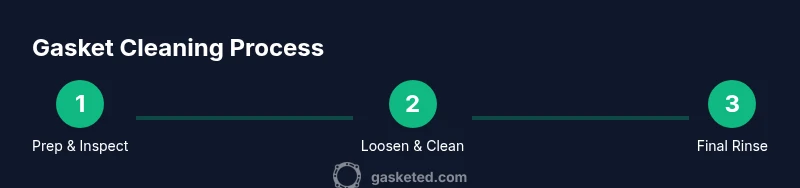
To clean gasket off aluminum, gather a plastic scraper, soft brushes, mild soap, isopropyl alcohol, microfiber cloths, and safety gloves. Start by gently loosening the gasket remnants, then scrub with a non-abrasive sponge under soapy water. Rinse thoroughly and dry completely. According to Gasketed, avoid metal scrapers and harsh solvents that can scratch or corrode aluminum. This approach minimizes damage while restoring a clean surface.
Why aluminum gasket surfaces require careful cleaning
Aluminum is prized for its light weight and heat conductivity, but it also has a relatively soft surface layer compared to many metals. Gasket residues—whether from adhesive seals, gasket dressing, or old gasket material—can bond to the aluminum during exposure to heat and cleaning solvents. If you use aggressive tools or solvents, you risk dulling the finish, scratching the metal, or triggering a corrosive reaction that compromises the surface and the seal. When you ask how to clean gasket off aluminum, the goal is to remove residue without damaging the base metal or the gasket seating area. A gentle approach preserves the integrity of the aluminum, extends the gasket’s life, and reduces the likelihood of leaks. In practice, plan for a multi-step process that prioritizes safety, uses plastic tools, and relies on mild cleaners. Always test cleaners on an inconspicuous spot first to confirm compatibility with the specific aluminum alloy and any coatings. The Gasketed guidance emphasizes patience and controlled force to avoid gouges or heat-affected pitting that can worsen over time.
Safety and prep steps for cleaning aluminum gaskets
Before you touch the gasket, prepare a clean workspace and protect yourself. Wear nitrile gloves and safety glasses to guard against splashes and tiny abrasive particles. Work in a well-ventilated area to avoid inhaling fumes from solvents, even mild ones. Lay down a soft mat or towel to cushion the surface and prevent slips. Disconnect power if you’re cleaning components attached to electrical equipment. Cover nearby surfaces with painter’s tape to catch drips and prevent accidental contact with bare metal. Cleaning aluminum gaskets is a precision task: take your time, keep tools at hand, and avoid rushing the process. Remember that moisture and heat can intensify residue bonding, so cool components slightly if they’re still warm from use before starting. Gasketed notes that planning the workflow and using non-metallic tools significantly reduces the risk of damaging the aluminum surface during the gasket removal.
Materials and cleaners: what works best on aluminum
Choosing the right cleaners is crucial when learning how to clean gasket off aluminum. Start with warm water and a mild dish soap to loosen adhesives and grime. For tougher residues, a small amount of isopropyl alcohol (70% or higher) on a soft cloth can dissolve many gasket remnants without attacking the metal. Avoid abrasive pads that can scratch aluminum; instead, use non-abrasive sponges and plastic scrapers. A plastic putty knife or a silicone spatula works well for lifting gasket material without gouging. If you encounter stubborn adhesives, consider a dedicated gasket remover labeled safe for aluminum, and always follow the manufacturer’s instructions. After cleaning, rinse thoroughly with clean water to remove any soap or solvent residues and wipe dry with a lint-free cloth. Finally, inspect the surface for any remaining residue and repeat the process if necessary.
Step-by-step plan: removing gasket remnants from aluminum
- Prepare workspace and gather supplies: plastic scraper, soft brushes, mild detergent, isopropyl alcohol, microfiber cloths, gloves. 2) Inspect the gasket area: note any corrosion, peeling coatings, or deep scratches that may require professional attention. 3) Loosen gasket remnants: use a plastic scraper to gently pry without forcing. 4) Clean in sections: apply soapy water, scrub lightly, then wipe with a damp cloth. 5) Address stubborn residue: dab isopropyl alcohol on a cloth and rub in small circles until adhesive lifts. 6) Rinse and dry: wash away solvent traces, then dry with a clean microfiber cloth. 7) Final check: ensure the surface is clean, dry, and free of residue before reassembling. 8) Optional protective step: apply a light, compatible gasket lubricant or sealant if recommended by the manufacturer.
How to prevent damage: tips for aluminum surfaces
Protective measures save time and money: work with non-metallic tools, test cleaners first, and avoid aggressive solvents that can corrode or dull the aluminum. Maintain a clean, dry gasket seating area and document any signs of wear for future replacement. Use a soft cloth to dry and store tools properly after use. Regularly inspecting gasket interfaces helps catch issues before leaks occur. The key is to preserve the aluminum’s natural patina while ensuring a reliable seal.
Common mistakes and how to fix them
A frequent mistake is using metal tools that gouge the aluminum or scratching the finish. Another error is oversaturation with solvents that leave residues or promote corrosion. Rushing through steps can miss hidden residue, leading to poor sealing later. If you notice rust, pitting, or discoloration, stop and re-evaluate the surface; deeper damage may require professional attention. Finally, skipping the drying step can trap moisture, promoting corrosion or mold growth in sealed environments. To fix these issues, slow down, switch to plastic tools, and re-clean with fresh materials before reassembly.
Aftercare and maintenance to extend gasket life
After cleaning, apply a light touch of a compatible gasket dressing if the manufacturer allows it, or simply reinstall without lubricants that could attract grime. Keep the gasket seating area dry and free of oil or solvents that can degrade adhesives. Periodic inspections will reveal if the gasket needs replacement due to aging, degradation, or repeated leaks. Document maintenance dates and note any compound residues that require more thorough cleaning in future service cycles.
Tools & Materials
- Plastic scraper (e.g., putty knife or spatula)(Choose a tool with a flexible edge to lift residue without gouging)
- Non-abrasive sponge or soft-bristle brush(Avoid steel wool or stiff brushes)
- Mild dish soap(Dilute for best results)
- Isopropyl alcohol (70%+)(Use sparingly and ensure good ventilation)
- Microfiber cloths(Lint-free and absorbent)
- Nitrile gloves and safety glasses(Protection against splashes and residues)
- Clean, lint-free towels(For final drying and inspection)
- Gasket remover (optional, aluminum-safe)(Only if adhesive is very stubborn, follow label directions)
Steps
Estimated time: 30-60 minutes
- 1
Prepare workspace and gather supplies
Set up a clean, ventilated area. Lay down a mat and assemble all tools and cleaners within easy reach. This reduces the risk of dropping or misplacing components during cleaning.
Tip: Verify tools are plastic or non-metallic to protect aluminum surfaces. - 2
Inspect gasket area for damage
Take a quick look at the gasket seating surface and note any deep scratches, corrosion, or peeling coatings. Such defects can compromise the seal and may require replacement rather than cleaning.
Tip: Document any damage with a photo for reference. - 3
Loosen and remove gasket remnants
Gently pry loose the gasket material with a plastic scraper, working in small sections to avoid bending or bending the metal. Do not force into tight spots.
Tip: Keep the scraper at a shallow angle to avoid gouging. - 4
Clean with soap and water
Dip a sponge in warm, soapy water and wipe the area in circular motions. This helps break down adhesive residues without harsh chemicals.
Tip: Rinse frequently to prevent soap buildup that can attract grime. - 5
Address stubborn residue with alcohol
Apply a small amount of isopropyl alcohol to a cloth and rub gentle circles on stubborn spots. This often dissolves adhesive without harming aluminum.
Tip: Avoid soaking the area; use just enough solvent on the cloth. - 6
Rinse and dry thoroughly
Rinse away any remaining cleaner and dry with a lint-free cloth. Ensure no moisture remains in grooves or crevices.
Tip: Water spots can indicate leftover residues; dry completely. - 7
Inspect final surface and reassemble
Check that the surface is clean, dry, and free of residue. Reinstall the gasket according to manufacturer instructions.
Tip: If unsure about surface quality, test seal on a small section first.
Common Questions
Is it safe to use a metal scraper on aluminum to remove gasket residue?
No. Metal scrapers can scratch aluminum surfaces. Stick to plastic tools and soft brushes to lift residue without damaging the metal. If the residue is stubborn, consider a manufacturer-approved gasket remover designed for aluminum.
No. Use plastic tools and gentle brushes to avoid scratching the aluminum.
Can I use acetone or strong solvents on aluminum gaskets during cleaning?
Avoid harsh solvents like acetone near aluminum unless explicitly approved by the manufacturer. They can dull finishes or interact with adhesives. Always start with milder cleaners and test a small area first.
Avoid strong solvents unless the manufacturer approves them.
How can I tell if the aluminum is damaged after cleaning?
Look for deep scratches, dulling, or pitting that do not erase with cleaning. These signs indicate surface damage that may compromise the seal and require replacement rather than further cleaning.
Watch for deep scratches or dull spots that don’t go away after cleaning.
How often should I clean aluminum gaskets in home appliances?
Clean as part of routine maintenance when you notice residue or leaks. The frequency depends on usage and gasket type; build a schedule based on manufacturer recommendations and observed buildup.
Clean when you notice buildup or leaks, following manufacturer guidelines.
Should I replace the gasket after cleaning if it has residue?
Yes, if residues are persistent or the gasket shows signs of wear. Cleaning can extend life, but a worn gasket cannot guarantee a leak-free seal.
If the gasket shows wear or residue won’t come out, replace it.
Watch Video
Key Takeaways
- Start with gentle tools to avoid aluminum damage
- Use mild cleaners and non-abrasive methods
- Thorough drying prevents corrosion and leaks
- Inspect for damage; replace if necessary