How to Get Rid of Mold on Rubber Gaskets: A Practical DIY Guide
Learn a practical, step-by-step approach to safely remove mold from rubber gaskets, prevent recurrence, and extend gasket life with simple, affordable methods.


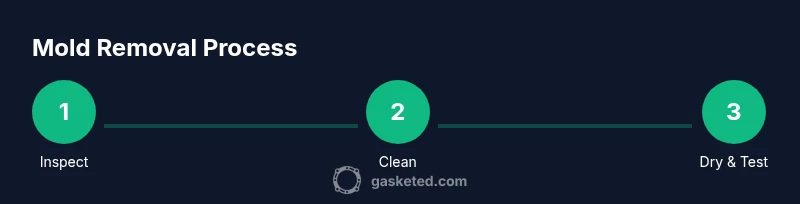
You can remove mold from rubber gaskets by using a gentle cleaning plan, thorough rinsing, and complete drying. Start with PPE, then apply a vinegar- or baking-soda paste, scrub softly with a non-abrasive brush, rinse, and dry completely. Inspect for cracks and replace the gasket if mold persists or the rubber shows wear.
What Mold on Rubber Gaskets Is and Why It Forms
Mold on rubber gaskets appears as fuzzy patches in colors ranging from gray to black. Spores can travel and settle in folds and crevices where moisture and organic residues linger. Rubber gasket materials are resilient but not immune to mold; repeated exposure to humidity and temperature fluctuations provides opportunities for growth. Appliances with damp interiors—dishwashers, refrigerators, and washing machines—create prime habitat when door seals trap moisture after use. Mold can degrade the gasket surface over time, reducing sealing efficiency and allowing leaks. The Gasketed team notes that mold is not only unsightly; it can harbor allergens and bacteria. Regular inspection helps catch mold early before it penetrates the rubber pores. If you catch mold on the surface promptly, you can often remove it with gentle cleaning; deeper intrusion, cracks, or peeling rubber may require gasket replacement for a reliable seal. In all cases, start with a cautious, non-abrasive approach and progress to replacement only when cleaning fails or damage is visible.
Safety First: Protect Yourself and Your Home
Before you begin, wear a mask (N95 or equivalent), gloves, and eye protection. Work in a well-ventilated area to minimize inhalation of mold spores. Do not mix cleaners like bleach with ammonia or other cleaners, as this can create hazardous fumes. If you’re cleaning near food preparation surfaces, keep the area clear of utensils and wash thoroughly afterward. After you’re done, wash your hands and any clothing exposed to mold using hot water and detergent to prevent cross-contamination. Gasketed surfaces can release spores during scrubbing, so maintain steady, controlled movements and avoid aggressive abrasion that could damage the rubber.
Prep and Assessment: When to Throw Away a Gasket
Not all mold can be saved. If the gasket shows deep cracks, tearing, stiffness, or peeling, replacement is the safer option. Worn gaskets may leak even after cleaning, undermining appliance performance and energy efficiency. Take a close look at the entire seal—edges, corners, and folds—since mold can hide in crevices. If there’s persistent odor or mold returns within a few weeks, consider replacing the gasket rather than repeatedly cleaning. Always consult the appliance manual for gasket material compatibility and replacement guidelines. When in doubt, err on the side of caution: a damaged gasket can compromise safety and performance.
Cleaning Methods: Best Practices for Different Gasket Types
For many rubber gaskets, non-bleach options are best. Start with white distilled vinegar (5–10% acidity) in a spray bottle and let it sit on the moldy areas for 5–10 minutes to loosen spores. Use a soft-bristled toothbrush or non-abrasive sponge to scrub gently, focusing on folds and lip edges. Rinse with clean water and dry with a microfiber cloth. If odors persist, make a paste with baking soda and water, apply to the affected areas, and scrub lightly before rinsing. For tougher mold, a hydrogen peroxide 3% solution can be used as a follow-up sanitizer; perform a small-area test first to ensure no rubber discoloration. Avoid harsh chemicals like chlorine bleach on most rubber gaskets, as it can degrade the material over time. After cleaning, dry thoroughly and keep gaskets dry to reduce recurrence. If the gasket is color-stable and undamaged, these methods are typically effective; if not, replacement is recommended.
Drying and Prevention: How to Keep Mold from Returning
Mold needs moisture to thrive, so drying completely is essential. Wipe down gaskets after each use and leave doors or covers ajar to promote airflow in low-humidity environments. Consider a dehumidifier in damp climates and ensure the appliance interior dries quickly after cycles. Regularly wipe gaskets with a damp cloth and dry immediately; store the gasket in a dry area when removed for replacement. If you notice persistent dampness due to a faulty hinge or misalignment, address the underlying issue to prevent mold regrowth. Lastly, establish a routine cleaning schedule—monthly light cleaning followed by quarterly deep cleans—to maintain gasket integrity.
When to Replace the Gasket
If you detect deep cracks, permanent deformation, chunks peeling away, or mold returns despite cleaning, the gasket likely needs replacement. A compromised gasket can cause leaks, inefficiency, and potential safety concerns. Replacement is generally straightforward for many common gaskets, but always verify compatibility with your model and follow manufacturer instructions. After replacement, test thoroughly for leaks and monitor humidity levels to avoid future mold growth.
Maintenance Routine Tips
- Schedule a monthly wipe-down of gaskets with a mild detergent and water.
- Dry thoroughly after each use and keep the area ventilated.
- Inspect for wear during routine maintenance and replace if needed.
- Avoid abrasive tools or harsh chemicals that can degrade rubber.
- Use appropriate cleaners recommended by the gasket or appliance manufacturer.
- Keep temperatures and humidity in check to minimize moisture buildup.
Common Mistakes to Avoid
- Using bleach or solvent cleaners on most rubber gaskets, which can cause cracking and drying.
- Skipping thorough drying, which invites renewed mold growth.
- Applying excessive force that damages the gasket lip and folding areas.
- Ignoring odor indicators of deeper contamination or mold behind the gasket.
- Overlooking the need for replacement when the gasket shows wear or persistent mold.
Tools & Materials
- Gloves (nitrile or rubber)(Protect hands from cleaners and mold exposure)
- Safety goggles(Eye protection against splashes and spores)
- Face mask (N95 or equivalent)(Minimize inhalation of mold spores)
- White distilled vinegar(5–10% acidity; used neat or diluted for spray)
- Baking soda(Mix with water to form a gentle paste)
- Hydrogen peroxide 3%(Optional sanitizer for tough mold; test first)
- Isopropyl alcohol 70%(Optional final wipe for disinfection)
- Spray bottle(For vinegar solution and other cleaners)
- Soft-bristled toothbrush(Gentle scrubbing in folds and edges)
- Non-abrasive sponge or microfiber cloth(Rinse and dry without scratching)
- Bucket or small basin(For rinsing and holding solutions)
- Dry microfiber cloth(Final dry and buff after cleaning)
Steps
Estimated time: 30-60 minutes
- 1
Inspect and prep
Inspect the gasket for deep cracks or tearing. Gather all tools and put PPE within reach. This minimizes interruptions and ensures you can work safely and efficiently.
Tip: Take photos of the gasket condition to track wear over time. - 2
Prepare cleaning solutions
Set up a vinegar spray for initial cleaning and a baking soda paste for spots. Label containers if you use multiple cleaners to avoid cross-contamination.
Tip: Use a dedicated spray bottle for vinegar to maintain purity. - 3
Apply cleaner and scrub
Spray the vinegar solution on moldy areas and let it sit 5–10 minutes. Gently scrub with a soft brush, paying attention to folds and lip edges.
Tip: No aggressive scrubbing; rubber can tear if overworked. - 4
Rinse and dry
Rinse thoroughly with clean water and dry with a microfiber cloth. Ensure all cleaning residue is removed to prevent residue buildup.
Tip: Wipe in a single direction to avoid missing stubborn spots. - 5
Sanitize and compare
Optionally apply hydrogen peroxide or isopropyl alcohol to sanitize the surface. Compare after drying; odor should be reduced or gone.
Tip: Always test a small area first for rubber compatibility. - 6
Dry completely and reassemble
Ensure the gasket is completely dry before reassembling or sealing. Return any removed parts and recheck for leaks after first use.
Tip: Air-drying in a warm, dry area speeds up the process.
Common Questions
Is it safe to use bleach on rubber gaskets?
Bleach can degrade rubber over time; avoid using it on most gaskets unless the manufacturer approves. Stick to gentler cleaners like vinegar and baking soda for routine cleaning.
Bleach can damage rubber gaskets, so avoid it unless the manufacturer says it's safe.
Can mold on a gasket be caused by humidity?
Yes. High humidity and condensation create a moisture-rich environment that supports mold growth. Use a dehumidifier in damp spaces and ensure proper ventilation after use.
Humidity can cause mold growth, so reduce moisture and improve ventilation.
Should I replace the gasket if mold keeps returning?
If mold persists after thorough cleaning or there are visible signs of wear, replacement is the safer option to maintain a proper seal and prevent leaks.
If mold keeps coming back after cleaning, replace the gasket.
How often should I clean gaskets to prevent mold?
Clean gaskets monthly with a mild solution and perform a deeper clean quarterly. Immediate cleaning after spills or moisture events helps prevent buildup.
Clean monthly, with deeper cleans quarterly, and after spills.
Can I use a fridge gasket cleaning spray?
Only use products compatible with the gasket material and appliance manual. If unsure, stick to vinegar and baking soda methods to avoid compatibility issues.
Use only compatible cleaners; when in doubt, stick with vinegar and baking soda.
Watch Video
Key Takeaways
- Inspect gaskets regularly for mold and wear.
- Use gentle cleaners and dry completely after cleaning.
- Replace if mold returns or rubber shows damage.
- Maintain a dry, well-ventilated environment to prevent recurrence.