How to Keep Gaskets from Sticking: A DIY Guide
Learn practical, step-by-step strategies to keep gaskets from sticking. Prep surfaces, choose compatible lubricants, and establish a simple maintenance routine for DIY homeowners.


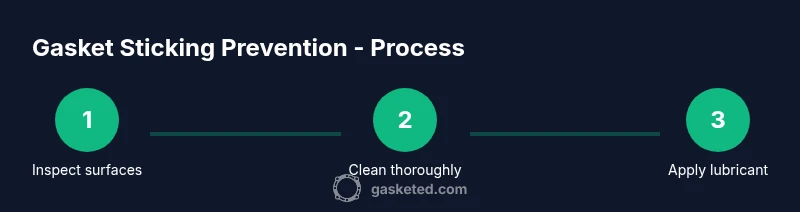
Prevent gaskets from sticking by starting with clean mating surfaces, applying a thin, compatible lubricant, and ensuring even clamping pressure. Use material-specific cleaners, avoid harsh solvents, and recheck seals after testing. Maintain a simple routine: inspect for damage, clean thoroughly, re-lubricate as needed, and replace worn gaskets promptly. Documenting when and what you lubricate, and keeping spare gaskets on hand will speed maintenance. Avoid mixing different gasket materials and always follow manufacturer guidance for temperatures and chemical compatibility limits when in doubt, consult a professional.
Why gaskets stick and how to keep gaskets from sticking
According to Gasketed, gaskets can cling for several reasons: heat-induced aging, repeated compression, residue from oils or cleaners, and using the wrong lubricant for the material. When any of these factors align, the gasket will adhere to its mating surface during disassembly or reassembly, leading to leaks or uneven sealing. The goal is to minimize heat exposure, use compatible cleaners, and choose lubricants that work with your gasket type. In practice, this means inspecting the gasket for tears or hardening, cleaning both surfaces thoroughly, and keeping the surface free of debris before reassembly. A proactive approach reduces sticking and extends gasket life.
Materials and surface prep
Before you start, gather materials and prepare the work area. Use a mild, gasket-safe cleaner to remove old lubricant and residue without degrading the sealing surface. Have soft lint-free cloths, a non-abrasive scrub pad if needed, and a brush for grooves. For lubrication, choose a product compatible with the gasket material (silicone-based for rubber gaskets, PTFE-based for hard plastics, or manufacturer-recommended options). Apply cleaners in a well-ventilated space and ensure all surfaces are dry before inspection. When prepping, lay out your gaskets flat to prevent curling and inspect for cracks or deformation. If you find damage, replace rather than attempt a re-seal. Documentation helps: label each gasket and note its orientation to avoid misalignment on installation.
Lubricants and sealants: choosing the right product
Not all lubricants are equal when it comes to gaskets. The key is compatibility with the gasket material and the operating environment. For rubber gaskets, silicone-based lubricants are usually safe and provide a slick surface that reduces sticking without swelling the rubber. For metal or composite gaskets, PTFE-based lubricants or dry lubricants may perform better in high-temperature applications. Avoid petroleum-based products on elastomeric seals, which can cause swelling or hardening over time. For critical or food-grade gaskets, use lubricants certified for that service and follow the manufacturer’s recommendations. If you’re unsure, test a small area first and consult the product’s safety data sheet. The goal is to create a thin, uniform film rather than pooling around the seal, which can attract dirt and cause uneven sealing.
Cleaning, drying, and storage practices
Careful cleaning is essential to prevent sticking. Use a mild degreaser or soap and warm water, then rinse and dry thoroughly with a lint-free cloth. Avoid acid or solvent cleaners that can degrade gasket materials. After cleaning, inspect the gasket groove and mating surfaces for remaining residue. Dry everything completely to prevent corrosion and mold. If you store gaskets, place them flat in labeled containers or bags to preserve orientation and prevent bending. Store lubricants in a cool, dry place away from sunlight, and wipe the nozzle after use to avoid contamination. A clean, dry environment reduces the risk of adhesive buildup that can cause gaskets to stick during reassembly.
Assembly best practices to avoid sticking
During reassembly, ensure both gasket and surfaces are clean and dry, then apply a thin, even coat of the chosen lubricant if applicable. Place the gasket carefully and align it with the mounting holes or grooves. Use a crisscross pattern when tightening fasteners to promote even compression and avoid pinching the gasket. Do not overtighten; excessive clamping pressure can squeeze out lubricant and raise temperatures, accelerating sticking. If the gasket is flanged or multi-layer, check for proper seating with a gentle press around the entire circumference. Take your time; rushing the process increases the risk of misalignment and sticking. After installation, run a short test cycle or leak test while monitoring for any seepage.
Maintenance routine and preventative habits
Develop a simple maintenance routine to keep gaskets from sticking over time. Schedule periodic inspections for signs of aging, cracking, or deformation. Clean and re-lubricate as needed based on usage frequency and environment. Keep spare gaskets on hand and rotate them to ensure even wear. Document any environmental changes (temperature, humidity) that correlate with sealing issues. Regularly replace gaskets that show signs of hardening or swelling. By creating a predictable maintenance cadence, you reduce surprise leaks and keep gaskets performing reliably.
Troubleshooting sticking issues: quick fixes
If you notice sticking after initial assembly, first recheck cleanliness and lubrication. Wipe away any pooled lubricant and reapply a micro-thin coat. Check mating surfaces for burrs or scratches that can grip the gasket, and smooth them with a fine abrasive if manufacturer-approved. Verify that the gasket is seated evenly and that bolts are tightened in a crisscross pattern to uniform compression. If sticking persists, consider replacing the gasket with a new one that matches the material and temperature requirements. In some cases, switching to a different lubricant compatible with your gasket material can resolve the issue. Finally, consult the gasket manufacturer’s guidance or a qualified technician for difficult repairs.
Tools & Materials
- Gasket-safe cleaner (non-abrasive)(Use mild degreaser or soap; avoid solvents that degrade rubber or metal surfaces)
- Soft lint-free cloths(Microfiber is ideal for residue-free drying)
- Non-stick gasket lubricant(Choose lubricants compatible with gasket material)
- Gasket sealant (manufacturer-approved)(Only if the gasket is designed for sealants)
- Small brush or cotton swabs(For cleaning grooves and hard-to-reach areas)
- Isopropyl alcohol (optional)(For stubborn residue; use sparingly)
- Torque wrench or calibrated screwdriver(For accurate clamping pressure)
- Gloves(Protect hands from solvents and oils)
Steps
Estimated time: 30-60 minutes
- 1
Inspect gasket and surfaces
Carefully inspect the gasket for cracks, tears, or deformation. Check the mating surfaces for nicks, burrs, or residues that could interfere with a seal. If damage is found, replace the gasket rather than attempting a repair.
Tip: Damaged gaskets will always stick or leak; replacement is safer than repair. - 2
Clean thoroughly
Wipe both gasket and mating surfaces with a gasket-safe cleaner, then dry completely with a lint-free cloth. Remove all old lubricants or residues that could cause sticking upon reassembly.
Tip: Drying completely prevents moisture-related sticking and corrosion. - 3
Choose and apply lubricant
Select a lubricant compatible with the gasket material and application. Apply a thin, even film to the gasket interface or to the mating surface, avoiding pooling.
Tip: Remember: less is more; excess lubricant can attract debris and cause leaks. - 4
Reassemble with even pressure
Place the gasket in position and tighten fasteners in a crisscross pattern. Use a torque wrench if specified to achieve uniform compression without over-tightening.
Tip: Crisscross tightening prevents uneven squeeze and sticking. - 5
Test for leaks
Run a brief test cycle or pressure test. Look for any seepage around the gasket and re-tighten if needed, following manufacturer guidelines.
Tip: Test before putting the system into full service to catch issues early. - 6
Store and document
Store any unused gaskets flat and labeled. Note the lubricant type and application history for future maintenance.
Tip: Documentation helps you build an effective gasket maintenance log.
Common Questions
What causes gaskets to stick?
Sticking happens due to heat aging, residue, improper lubrication, and improper seating. Regular cleaning and using compatible lubricants reduce sticking.
Sticking is caused by heat, residue, and wrong lubrication. Clean thoroughly and use the right lubricant to prevent it.
When should I replace a gasket?
Replace gaskets that are cracked, torn, deformed, or visibly hardened. Resealing over damaged gaskets can fail and cause leaks.
If you see cracks or deformation, replace the gasket rather than resealing.
Can I use petroleum jelly on rubber gaskets?
Petroleum-based products can degrade some elastomers. Use silicone-based lubricants or manufacturer-approved options for rubber gaskets.
Avoid petroleum jelly on rubber gaskets—choose a compatible silicone-based lubricant.
Are lubricants safe for food-grade gaskets?
Yes, if the product is approved for food contact and compatible with the gasket material. Always check specs and manufacturer guidance.
Yes, but only with food-grade, compatible lubricants.
How often should I perform gasket maintenance?
Set a maintenance cadence based on usage and environment; at minimum, inspect annually and lubricate as needed.
Establish an annual inspection, adjust based on use and conditions.
Watch Video
Key Takeaways
- Start with clean surfaces and compatible lubricants.
- Apply a thin, even lubricant; avoid pooling.
- Tighten in a crisscross pattern for uniform compression.
- Inspect, replace damaged gaskets, and store properly.