How to Clean Gasket Surfaces: A DIY Guide
Learn safe, proven methods for cleaning gasket seating surfaces. This DIY guide covers cleaners, tools, steps, and troubleshooting to prevent leaks and extend gasket life.


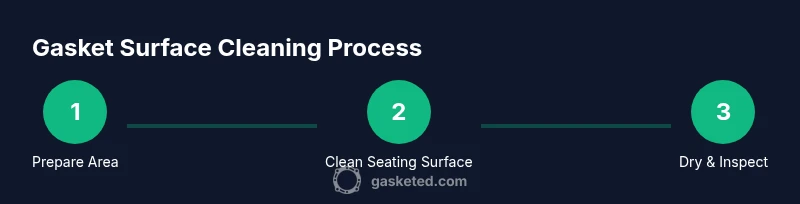
By following a careful, step-by-step approach, you can restore a reliable seal. What to clean gasket surface with? Use gentle cleaners like warm water and mild dish soap, then an isopropyl alcohol wipe for final degreasing. Avoid acetone on plastic or painted surfaces. Dry completely before reassembly to prevent leaks.
Why cleaning gasket surfaces matters
According to Gasketed, proper surface preparation is a foundational step in any gasket repair or replacement. The seating surface—where the gasket contacts the flange or cover—must be free of oil, grease, corrosion, and debris. When contaminants remain, they can act as lubricants or create micro-gaps that lead to leaks. A clean surface also helps the gasket seat evenly, improving torque distribution and sealing performance. DIY enthusiasts often underestimate how much residue can affect sealing performance, especially on metal flanges or valve covers. Starting with a clean slate reduces the chance of recurring issues and minimizes the risk of a failure that could require costly disassembly again. A well-cleaned surface sets the stage for a reliable, long-lasting seal and a successful maintenance task.
What to clean gasket surface with
Deciding what to clean gasket surface with is the first practical step. The goal is to remove oil, old gasket material, and stubborn residues without damaging the seating plane. For most applications, a combination of warm water, mild dish soap, and a soft brush or cloth is sufficient. After the initial wash, a final wipe with isopropyl alcohol (70% or higher) helps evaporate water and break down remaining oils. Avoid harsh solvents like acetone on plastic parts or painted finishes, as these can soften or warp materials. If the gasket sits on a painted metal surface, test any cleaner on a small area first. The key is to prevent residue while protecting the integrity of the mating surfaces.
Cleaning agents: pros and cons
Different cleaners serve different purposes. Mild soap and water are safe and effective for light residues, but they may leave film if not rinsed properly. Isopropyl alcohol is excellent for degreasing and fast evaporation, but it should be used in a well-ventilated area and away from flames. Vinegar solutions can tackle mineral deposits, yet they may corrode certain metals or interact with adhesives. Commercial gasket cleaners exist, but choose ones that are compatible with the gasket material and flange. The safest approach is to start with the gentlest option and escalate only if necessary. Always avoid abrasive scrubs that can scratch the seating surface or gaskets themselves. A clean, residue-free surface is essential for a reliable seal.
Tools and materials: choosing the right gear
Before you start, assemble a basic toolkit designed for gasket work. A nylon brush or soft-bristle scrubber cleans without scratching soft metals or plastics. Lint-free rags or microfiber towels help remove particles without leaving fibers behind. A mild dish soap, warm water, and isopropyl alcohol are your primary cleaners. A plastic scraper or nylon putty knife assists with removing old gasket remnants—never use metal tools on delicate seating surfaces. Have a small spray bottle for controlled cleaning, and keep a fan or open window for ventilation when using solvents. Finally, inspect a spare gasket and keep a torque wrench handy if your system requires precise clamping force. This setup minimizes risk and keeps the job moving smoothly.
Surface prep before gasket replacement
Effective gasket work starts with a thorough surface prep. Remove any visible debris and gently wipe the flange with a soapy cloth. Rinse with clean water and dry completely using a lint-free cloth. Pay attention to the corners and grooves where residue tends to accumulate. A dry, clean surface prevents moisture from affecting fasteners and helps ensure the gasket compresses evenly. If you observe pitting or corrosion, you may need to address these issues before replacing the gasket, as a damaged surface can compromise sealing performance. Document any surface defects so you can address them appropriately during reassembly.
Dealing with stubborn residue and corrosion
Some surfaces harbor stubborn oil films or mineral residues that resist initial cleaning. In these cases, reapply a small amount of cleaner and let it sit for a minute or two before scrubbing with a nylon brush. Do not rush this step; pressure can embed particles into crevices. For corrosion on metal surfaces, a gentle rust remover may help, but use it sparingly and follow with a thorough rinse. After cleaning, pass a final wipe with isopropyl alcohol to evaporate moisture and provide a clean, residue-free seating plane. If corrosion or deep scratches are evident, replace the gasket and inspect the mating flange for damage.
Safety considerations and best practices
Always work in a well-ventilated area when using solvents, and wear gloves to protect your hands from chemicals and sharp edges. Keep cleaners away from heat sources, and never mix cleaners unless the manufacturer approves it. Use non-metallic tools to avoid scratching. Work slowly and methodically to prevent introducing new debris into the joint. If you’re uncertain about a chemical’s compatibility with a gasket material, consult the manufacturer’s guidelines or seek professional advice. Proper safety practices reduce risk and improve outcomes when cleaning gasket seating surfaces.
Troubleshooting and when to replace the gasket
If you still notice leaks after cleaning, review the seating surface for scratches, scoring, or unevenness. Even tiny imperfections can compromise the seal under pressure. If you find damage, replacing the gasket and, if needed, the flange or seating surface is often the best solution. Reuse of an old gasket is generally discouraged if it shows signs of wear, deformation, or compression set. In some cases, a gasket maker or sealant is appropriate for specific assemblies, but only if the manufacturer specifies its use. When in doubt, err on the side of replacement to ensure a reliable seal.
Final checks before reassembly
Before reassembling, perform a final check: verify that the entire seating surface is clean and dry, align the gasket correctly, and confirm you have applied any required sealants per the manufacturer’s instructions. Double-check torque settings to the recommended specification, and run a controlled leak test after reassembly. If leaks persist, disassemble and inspect for debris or misalignment, re-clean, and re-test. A careful, methodical approach reduces the chance of a dry run turning into a leak-prone failure.
Tools & Materials
- Nylon brush(Soft bristles to avoid scratching gasket seating surfaces)
- Lint-free cloths or microfiber towels(Use multiple clean cloths for drying and wiping)
- Isopropyl alcohol (70% or higher)(Degreasing and final wipe; ensure ventilation)
- Mild dish soap(For initial wash; avoid harsh solvents)
- Warm water(Rinse after cleaning; helps lift oils)
- Plastic scraper or nylon putty knife(Gasket remnants removal; avoid metal on metal surfaces)
- Gloves(Protect hands and prevent skin irritation)
- Gasket sealant or adhesive remover (per manufacturer)(Only if recommended by the gasket manufacturer)
Steps
Estimated time: 30-45 minutes
- 1
Prepare the work area
Power down the equipment and isolate it from any live electrical sources. Gather all tools and cleaning agents in a clean, dry workspace to minimize contamination. Set up a small tray to hold removed gaskets and a separate area to place cleaned seating surfaces.
Tip: Keep a dedicated clean zone to prevent cross-contamination with dirty parts. - 2
Remove the old gasket and debris
Carefully lift the old gasket without tearing it. Inspect the flange for damage and match the gasket type to the surface. Place the removed gasket in a labeled container for disposal or inspection.
Tip: Take a photo of the original orientation if you’re unsure about reassembly. - 3
Inspect the flange seating surface
Look for nicks, scratches, or corrosion on the seating plane. Minor imperfections can often be cleaned, but deep damage may require replacement of the surface or flange. Note any issues for later action.
Tip: If you see deep pitting, plan for replacement rather than reuse. - 4
Apply cleaner to the surface
Moisten a lint-free cloth with warm soapy water or isopropyl alcohol and apply to the seating surface. Do not saturate the area; excessive moisture can seep into fasteners or threads.
Tip: Avoid spraying cleaners directly onto the surface to control overspray. - 5
Gently scrub and remove residue
Use a nylon brush or non-abrasive pad to remove oil, old gasket material, and debris. Work in small, circular motions to cover all areas, including corners and grooves.
Tip: Do not apply excessive pressure that could gouge the seating plane. - 6
Rinse and dry the surface
Rinse with clean water if used, then dry the area with a microfiber towel. Ensure complete dryness before proceeding. You may let the surface air-dry for a few minutes if required.
Tip: moisture between gasket and flange can cause leaks, so be thorough. - 7
Final wipe and inspection
Wipe the surface with isopropyl alcohol to ensure a residue-free finish. Inspect for any remaining film or debris; re-clean if necessary and verify the surface is flat and clean.
Tip: Even small residues can compromise seal integrity. - 8
Reinstall gasket and reseal
Place the gasket in its correct orientation, align notches, and follow the manufacturer’s torque specs. If a sealant is recommended, apply it according to the guidelines and ensure even pressure when tightening.
Tip: Tighten gradually in a crisscross pattern to avoid uneven seating. - 9
Leak test and final verification
Reassemble the unit and perform a leak test under safe conditions. Look for drips or seepage around the gasket. If leaks occur, re-disassemble, re-clean, and re-test.
Tip: Document test results for future maintenance.
Common Questions
What is the best cleaner for gasket surfaces?
A mild soap solution and isopropyl alcohol are generally safe, with acetone avoided on plastics and painted surfaces. Always test on a small area first if you aren’t sure.
Start with warm soapy water and finish with an IPA wipe; avoid harsh solvents on sensitive materials.
Can I use vinegar or lemon juice to clean gasket surfaces?
Vinegar can help with mineral deposits but may corrode metal or adhesives over time. Use cautiously and test any cleaner on a small area.
Vinegar can work for mineral buildup, but test first to avoid damage.
How long should gasket seating surfaces dry before reassembly?
Allow surfaces to dry completely after cleaning. This usually takes just a few minutes, depending on ambient humidity and airflow.
Let it dry completely before reassembling to prevent leaks.
What if there is rust on the flange seating area?
Light rust can be gently cleaned, but deep corrosion may require replacing the flange or seeking professional help.
Light rust is okay to clean, but heavy corrosion needs replacement.
Do I need gasket sealant for every reassembly?
Not always. Many gaskets rely on the material itself and proper surface flatness. Follow the manufacturer’s guidance for sealant use.
Sealant isn’t always required; check the gasket type and instructions.
Watch Video
Key Takeaways
- Clean seating surfaces before reassembly
- Use mild cleaners and avoid harsh solvents on plastics
- Dry surfaces completely to prevent leaks
- Follow manufacturer torque specs and test after reassembly