Best Way to Remove Gasket Material: A Practical DIY Guide
Learn the best way to remove gasket material safely and effectively. This guide covers heat-assisted and mechanical methods, essential tools, and surface preparation for reliable gasket replacement.


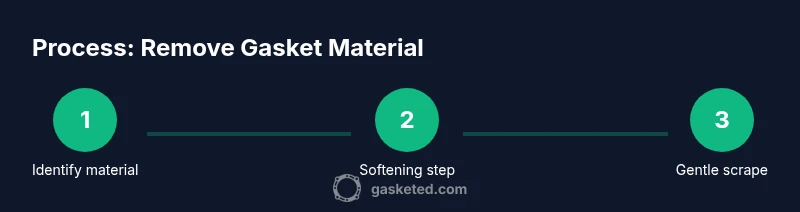
The best way to remove gasket material combines softening residue with controlled heat or solvent, followed by careful scraping with a plastic tool and thorough surface cleaning. Tailor the method to gasket type (rubber, cork, silicone, metal) and surface chemistry for minimal damage and a reliable seal.
What removing gasket material accomplishes and when to do it
Removing gasket material is not just about wiping away residue. A clean surface is essential for a reliable seal, preventing leaks, and avoiding contamination that can compromise equipment. The best time to remove gasket material is during maintenance or after a component is disassembled for replacement. If you leave old residue in place, new gaskets may not seat properly, leading to uneven compression, leaks, and a shortened lifespan. In this section, we outline the goals of gasket removal and how to decide when it’s necessary. According to Gasketed, the safest, most durable results come from systematically softening residues, carefully lifting them away, and thoroughly cleaning the surface before installing a new gasket. The approach should minimize scratches, preserve the finish of metal or plastic surfaces, and avoid introducing solvents that could damage coatings. Plan to work in a well-lit, ventilated area and to have your replacement gasket ready before you start.
Understanding gasket materials and how removal differs
Gaskets come in many materials, including rubber, silicone, cork, cork composites, metal, and high-temperature polymers. Each material behaves differently when it comes to removal: soft rubber and silicone may smear if scraped, while cork and paper-based gaskets leave fibrous residue. Metal gaskets tend to hold baked-on remnants that require more aggressive cleaning, but you must avoid scratching the mating surface. The best way to remove gasket material begins with identifying the gasket type and surface underneath so you can tailor the method. In terms of the phrase you are reading, search for the best way to remove gasket material and adapt the technique to your situation. For DIY enthusiasts, maintaining surface integrity matters most; always aim to remove residue without gouging the base material. That’s how you ensure a reliable seal when you install a new gasket.
Safety first: PPE and surface prep
Before you touch the gasket, put on protective gloves and eye protection. Work in a well-ventilated area to minimize exposure to solvents, and keep a fire extinguisher nearby if you’re using heat. Remove nearby items from the work surface and lay down a clean rag or disposable towels to catch drips. Protect surrounding components with painter’s tape or film where needed. Surface prep matters: wipe the area with isopropyl alcohol or a citrus-based cleaner after loosening the gasket to ensure the surface is dry and free of residues. A clean, dry surface provides the best foundation for a new gasket and reduces the risk of future leaks.
Heat and chemical approaches: when to use heat or cleaners
Heat can soften gasket material, making it easier to lift without tearing. A hair dryer or heat gun set to a low, steady warmth is usually sufficient for household appliances; avoid open flames and excessive heat that could warp plastics. In other cases, citrus-based cleaners or isopropyl alcohol help dissolve oils and residue. Apply a small amount to a cloth or paper towel, then test on a hidden area to ensure no surface damage. Let the solvent sit for a few minutes to soften the bond before attempting removal. This combination of gentle heat and controlled solvents is often the best way to remove gasket material without compromising the surface.
Mechanical removal techniques: plastic scrapers and tools
Use plastic scrapers or nylon brushes to lift softened material without scratching. Start at a corner and work in small, steady motions, applying even pressure along the gasket line. Avoid metal blades that can gouge or scar the surface. If stubborn residue remains, reapply heat or solvent and attempt a second pass. For safety, keep the scraper edge flat against the surface and never twist or pry at an angle that could damage the mating component. This careful scraping is a key part of the best way to remove gasket material for many common home projects.
Surface finishing after residue removal
Wipe the area with a lint-free cloth dampened with isopropyl alcohol or a mild degreaser, then dry thoroughly. Inspect the surface for scratches, pitting, or remaining residue. If you find tears in the gasket seat or gouges, stop and consider replacing the component or consulting a detailed repair guide. A smooth, clean surface ensures the new gasket can seal evenly and perform reliably. If you’re dealing with metal, lightly buff with a microfiber cloth to restore the finish before applying the new gasket.
Special contexts: appliances, automotive, and plumbing gaskets
The method to remove gasket material varies by context. Appliance gaskets in dishwashers or washing machines often use silicone or rubber; automotive head or valve cover gaskets may involve more robust compounds; plumbing gaskets in toilets or pipe joints can create tougher residues due to mineral deposits. In every case, start with gentle heat and a non-metallic scraper, then proceed to solvent if needed. Always consult the manufacturer’s service manual for any cautions about heat limits or surface coatings. Deviating from recommended practices can void warranties or cause leaks.
Troubleshooting stuck or baked-on residue
If residue refuses to budge, reapply heat for a longer period and try a citrus cleaner before moving to a stronger degreaser. Do not force the tool under the gasket line, as this can scratch the surface. When you finally remove the material, re-check the seal surface for uniformity and test-fit a new gasket without final assembly. If you observe heat-induced warping or discoloration, stop and reassess with the manual or a professional.
Maintenance tips to prevent future buildup
Regular inspection helps catch gasket residue early before it hardens. Clean surfaces after each service using a mild solvent and a soft cloth, and replace worn gaskets promptly rather than reusing damaged ones. Store spare gaskets in a clean, dry container to avoid contamination. Document the type and size of each gasket you use so you have the right part on hand for future repairs. The ongoing habit of quick, careful cleaning is the best defense against tough removal tasks.
Authority sources and next steps
For safety and best practices, consult reputable sources and manufacturer guidelines. This section lists trusted references for further reading and verification. We draw guidance from standard safety practices and professional maintenance tips. Additional reading and instructions can help you refine your skills and ensure long-term reliability. If you want a quick answer, a short video that demonstrates these steps can be found via the suggested video query. Links to official resources are provided below for convenience.
Tools & Materials
- Plastic scraper (flexible blade)(Choose a blade width of 1–3 inches; use flexible plastic to avoid gouging.)
- Nylon brush or scrub pad(Soft bristles to lift residue without scratching.)
- Lint-free cloths or rags(For applying solvents and wiping residue.)
- Isopropyl alcohol (70–90%)(Used for surface cleaning and residue softening.)
- Citrus-based gasket cleaner or mild degreaser(Optional stronger cleaner for stubborn residue.)
- Heat source (hair dryer or heat gun)(Set to low heat; test the area first.)
- Safety gear (gloves, goggles)(Chemical-resistant gloves; splash goggles.)
- Plastic putty knife or old credit card(Useful for edges after softening; avoid metal.)
- Marker or masking tape(Protect adjacent surfaces as needed.)
Steps
Estimated time: 1-2 hours
- 1
Gather and prep
Collect tools and materials, clear the workspace, and inspect the gasket area. This creates a safe, organized baseline for the removal process and reduces the chance of introducing debris into critical joints.
Tip: Lay out all items within easy reach and protect nearby surfaces with tape or film. - 2
Identify gasket material and surface
Determine the gasket type and the surface beneath. This guides the choice of heat, cleaner, and scraping approach to avoid damage or burning delicate substrates.
Tip: Check the manual or manufacturer sites if the gasket type is unclear. - 3
Apply heat to soften
Use a hair dryer or low-heat setting to warm the gasket seam for 2–3 minutes, moving the heat source continuously to avoid heat spots.
Tip: Do not use an open flame or high heat that could warp plastics. - 4
Apply solvent to loosen
Dampen a cloth with isopropyl alcohol or a citrus cleaner and apply along the gasket seam. Allow a few minutes for the solvent to affect the bond before scraping.
Tip: Test solvent on a hidden area first to ensure there’s no surface damage. - 5
Scrape edges with plastic tool
Gently lift edges and work along the gasket line with light, even pressure. Keep the scraper flat and avoid twisting to prevent scratches.
Tip: Work from the outer edges toward the center for the cleanest removal. - 6
Reapply heat or solvent as needed
If residue remains, repeat heat and solvent steps in short cycles rather than forcing removal.
Tip: Patience prevents surface damage and yields a cleaner seal surface. - 7
Clean and dry the surface
Wipe the area with a lint-free cloth and isopropyl alcohol, then dry completely before inspecting.
Tip: Look for scratches, pits, or remaining residue that could affect seating. - 8
Inspect and plan replacement
Ensure the surface is flat and free of debris. If damage is found, replace the component or consult a professional before re-seating a new gasket.
Tip: If in doubt, take photos and review with a repair guide. - 9
Install new gasket
Proceed with the new gasket according to manufacturer instructions, ensuring even seating and a clean mating surface.
Tip: Avoid stretching or twisting the gasket during installation.
Common Questions
What is the safest solvent to use for gasket residue?
Isopropyl alcohol and citrus-based cleaners are common, milder options that work well on many gaskets. Always test on a hidden area first and follow the manufacturer’s recommendations.
Isopropyl alcohol and citrus cleaners are typically safest; test first and follow the gasket maker's guidance.
Can I reuse an old gasket after removing residue?
In most cases, it’s best to replace gaskets rather than reuse them once they’ve been exposed to heat, solvents, or deformation. A fresh gasket ensures a reliable seal.
Usually better to replace, as reused gaskets may seal poorly.
What surfaces are safe for heat when removing gasket material?
Most plastics and metals used in home devices tolerate low-heat methods. Avoid direct flame and excessive heat that could warp plastics or coatings.
Use low heat and avoid flames to protect surfaces.
What should I do if residue remains after cleaning?
Reassess the situation: reapply heat and solvent, or consider replacing the component if the seat is damaged. Do not force a gasket onto a rough surface.
If residue sticks, re-treat carefully or replace the part.
How can I prevent gasket buildup in the future?
Regular inspection and prompt replacement of worn gaskets help avoid heavy buildup. Clean surfaces after service and store spare gaskets in a dry, clean area.
Inspect regularly, clean after use, and replace worn gaskets sooner.
Do I need to consult a professional for automotive gaskets?
Automotive gaskets often require precise torque and surface preparation. If you’re unsure, refer to the vehicle’s manual or seek a professional repair guide.
If unsure about torque or surface prep, call a pro.
Watch Video
Key Takeaways
- Plan based on gasket type and surface.
- Use plastic tools to avoid surface scratches.
- Softened residue lifts cleanly with careful scraping.
- Clean and inspect before re-gasketting.
- Document gasket type for easy maintenance.