How to Remove Old Gasket Material: A DIY Guide
Learn to safely remove old gasket material with practical steps, the right tools, and surface prep tips. This guide helps DIY enthusiasts restore sealing surfaces without damage.


To remove old gasket material, shut down and cool the system, then soften the residue with a compatible solvent and scrape with non-metal tools. Use PPE, work in a ventilated area, and clean the surface thoroughly before applying new gasket material. This quick guide covers the essentials and sets you up for a clean seal.
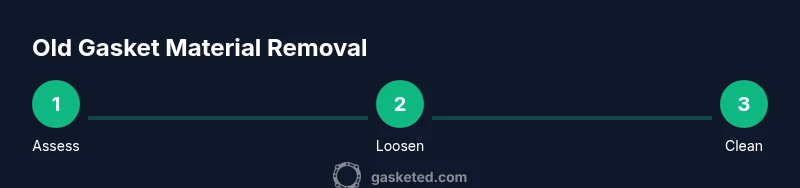
Assessing the surface and safety
Before you touch any gasket, ensure the system is powered down, unplugged, and cooled. Wear eye protection and gloves. Inspect surfaces for damage, corrosion, or deep scratches that might compromise a new gasket. In the Gasketed analyses, the most common cause of leaks after gasket removal is residual residue that isn't fully cleaned. Take photos or mark the inlet/outlet orientation to avoid reassembly mistakes. If you’re working on plumbing with solvents, ensure ventilation. For appliance gaskets and automotive seals, consult the manual for compatible solvents. Always test a small area of solvent on a hidden patch to verify compatibility. This step sets the stage for safe, effective removal and reduces risk of surface damage. According to Gasketed, safety and surface assessment are the foundation of a successful gasket replacement project.
Choosing the right solvents and tools
The choice of solvent and tool depends on the gasket material and the surface underneath. Start with mild citrus-based degreasers or commercially available gasket removers that are labeled for the material you’re dealing with. Avoid caustic or chlorinated solvents on aluminum or painted surfaces, as they can dull coatings or cause pitting. Have a small plastic scraper, nylon brush, and lint-free rags ready. For stubborn residues, a dedicated gasket remover with a slower dwell time can improve results without damaging the metal. Always follow the solvent manufacturer’s instructions and ensure good ventilation. Gasketed recommends testing solvents on a hidden area first to confirm compatibility.
Softening and loosening the gasket
Apply a thin layer of solvent to the gasket junction and let it dwell for several minutes if the material is particularly old or cemented. Gentle heat from a heat gun or hair dryer set to a low temperature can soften the gasket, but avoid overheating plastics or coatings. Work from the outside edges toward the center to lift the gasket in sections rather than digging in. When the material starts to soften, use a plastic scraper to lift it away in thin strips. If a suspected adhesive remains, reapply solvent and repeat to prevent tearing the surface. This approach minimizes the risk of gouges and preserves the sealing surface.
Mechanical removal technique
Clean removal requires controlled scraping with plastic tools, not metal blades. Hold the scraper at a shallow angle (about 15–20 degrees) and work along the gasket line in steady, short passes. Use a nylon brush or a non-abrasive scouring pad on textured surfaces to loosen embedded particles. Wipe away loosened material as you go to avoid creating a messy work area. For recessed grooves, use a dental pick or a soft-bristle brush to access tight spots without gouging. If you encounter a stubborn bond, reapply solvent and allow extra dwell time. This step consolidates the gasket removal without compromising the joint surface.
Cleaning and surface prep after removal
Once the gasket material is removed, thoroughly clean the mating surfaces with isopropyl alcohol or a manufacturer-recommended cleaner. Wipe until the surface is free of oils, residue, and fibers. Inspect for scratches, pitting, or remaining adhesive; tiny imperfections can become leak paths if left untreated. Dry the surfaces completely with a lint-free cloth before reassembling. If the joint will be reassembled soon, cover the area to prevent new dust from settling. Gasketed emphasizes a spotless surface for optimal sealing.
Common mistakes and how to avoid them
Common errors include rushing the job, using metal scrapers that gouge metal, and skipping a proper surface cleaning. Avoid using excessive force or harsh chemicals that can damage the sealing surfaces. Do not install a new gasket on a dirty or oily surface, as this reduces adhesion. Never neglect to inspect for corrosion, scoring, or misalignment, as these issues can cause leaks even with a new gasket. By taking your time and following a methodical approach, you’ll achieve a reliable seal and extend the life of the gasketed joint.
Special cases: aluminum surfaces and painted finishes
Aluminum and painted surfaces require gentler care. Some solvents can remove protective coatings or discolor finishes. When working on aluminum, limit aggressive scrubbing and prefer non-abrasive tools. If you’re dealing with a painted finish, test any solvent on an inconspicuous patch first to ensure colorfastness. For recessed areas, consider using a brush with soft bristles to avoid micro-scratches that collect dirt. In all cases, finish by wiping with a clean solvent and drying completely to prepare for reinstall.
Safety and PPE checklist
Personal protective equipment includes gloves, safety goggles, and a respirator or mask in poorly ventilated areas. Work in a well-ventilated space and keep a small bowl of water nearby in case you need to cool tools. Store used solvents and rags in approved containers away from flames or heat sources. Dispose of any contaminated rags according to local hazardous-waste guidelines. By adhering to PPE and disposal guidelines, you protect yourself and others from chemical exposure and fire risk.
Before you reinstall: inspection and measurements
After removing the gasket material, inspect the joint for machining marks, nicks, or corrosion. Run your finger around the surface to feel for rough patches; if you detect anything gritty, it may require smoothing or professional attention. Use a straightedge or calipers to check for flatness and uniformity; any warp or unevenness can compromise sealing. If the surface looks good, you’re ready to apply a new gasket or gasket sealant per the manufacturer’s guidance. This final check helps ensure a reliable seal and reduces the chance of future leaks.
Tools & Materials
- Plastic putty knife or plastic scraper(Avoid metal to prevent surface gouges)
- Nylon brush or non-abrasive scrub pad(For embedded residues and grooves)
- Solvent options (citrus-based degreaser, gasket remover)(Choose compatible with gasket material and surface)
- Isopropyl alcohol (70% or higher)(For final wipe and surface prep)
- Lint-free cloths(Multiple clean rags for wiping and drying)
- Gloves (nitrile or latex) and safety goggles(Personal protective equipment)
- Heat source (optional, low heat)(Heat gun or hair dryer set to low; use with caution)
- Mask or respirator (for solvent vapors)(Ensure adequate ventilation)
- Small container for used rags/solvents(Hazardous waste container)
- Marker or tape to label orientation(Helpful during reassembly)
Steps
Estimated time: 60-90 minutes
- 1
Assess and prep the area
Power down the system and allow it to cool. Inspect the joint for damage and note any orientation markers. Gather tools and PPE before starting to maintain a clean workspace.
Tip: Set a dedicated workspace and protect nearby components. - 2
Choose solvent and test a patch
Select a compatible solvent and test it on a hidden area to ensure it won’t damage the surface. This minimizes the risk of discoloration or etching.
Tip: Always follow solvent label instructions and ventilation guidelines. - 3
Loosen the gasket residue
Apply solvent to the gasket line and let it dwell for several minutes. Use low heat if needed to further soften stubborn material without warping plastics.
Tip: Heating should be gentle and intermittent. - 4
Gently scrape away bulk
Use a plastic scraper at a shallow angle to lift the gasket in thin strips. Work from the outer edge toward the center to avoid gouges.
Tip: Wipe exposed surfaces as you go to keep the area clear. - 5
Address stubborn spots
Reapply solvent and rework any tenacious patches with a nylon brush. Avoid metal tools on delicate surfaces.
Tip: Do not rush—persistence yields cleaner results. - 6
Clean the surface thoroughly
Wipe the entire joint area with isopropyl alcohol until no oils or residue remain. Dry with lint-free cloths.
Tip: Inspect under good light for any remaining particles. - 7
Inspect for damage and flatness
Run a finger around the surface to feel for rough areas and use a straightedge to check flatness. Flag any imperfections before reinstall.
Tip: Small scratches can become leak paths if not addressed. - 8
Document orientation and prep for reinstall
Mark or tape the orientation if needed and prepare the area for the new gasket. Ensure surfaces are completely dry before applying sealant or gasket.
Tip: Have replacement gasket ready and aligned to fit.
Common Questions
What tools are essential for removing old gasket material?
The essentials are a plastic scraper, nylon brush, compatible solvent, lint-free cloths, gloves, and safety goggles. A heat source is optional for stubborn gaskets but should be used with caution.
You’ll need a plastic scraper, a nylon brush, a good solvent, and protective gear to safely remove old gasket material.
Can I use acetone to remove gasket material?
Acetone can remove many gasket residues but may damage certain plastics or coatings. Always test on a hidden area first and follow surface material guidelines.
Some gaskets respond to acetone, but test first to avoid damage.
What should I do if the gasket material won’t come off easily?
Apply solvent and allow longer dwell time, then use a plastic scraper with care. If needed, switch to a specialty gasket remover designed for the material.
If it sticks, reapply solvent and be patient with a plastic scraper.
Is reusing an old gasket ever acceptable?
Generally not recommended. Old gaskets lose elasticity and sealing ability. Replace with a new gasket or an appropriate sealant as recommended by the manufacturer.
Old gaskets should usually be replaced for a reliable seal.
How do I know when the surface is clean enough for reassembly?
The surface should be oil-free, dry, and free of residue. Wipe with isopropyl alcohol and visually inspect for any remaining particles before reinstall.
Make sure the surface is dry and free of residue before reassembly.
Watch Video
Key Takeaways
- Assess safety and surface condition before touching the gasket.
- Choose compatible solvents and use plastic tools to prevent damage.
- Loosen and remove residue in thin strips to avoid gouging.
- Thoroughly clean and inspect the surface prior to reassembly.