Can Head Gasket Cause Overheating? A DIY Troubleshooting Guide
Learn how a failing head gasket can trigger overheating, how to diagnose safely, and step-by-step fixes for DIY homeowners. Practical checks, safety notes, and prevention tips from Gasketed.


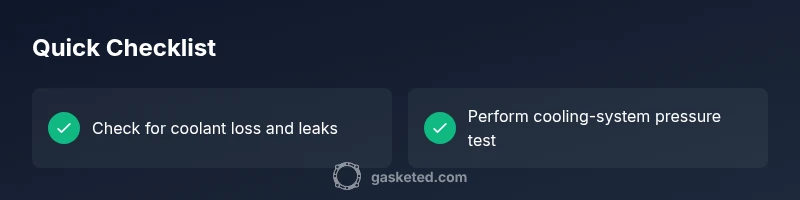
Yes. A head gasket failure can cause overheating by allowing combustion gases into the cooling system or causing coolant loss. Quick fixes include a cooling-system pressure test, checking for exhaust in the coolant, and inspecting for external leaks. If overheating persists, stop driving and follow a structured diagnostic flow before pursuing gasket replacement.
Why Head Gasket Failures Lead to Overheating
A blown head gasket is not just a leak in your engine—it's a gateway for overheating. According to Gasketed, head gasket failure often causes overheating by letting combustion gases enter the cooling system, displacing coolant and raising the coolant temperature. In many engines, even a tiny gasket leak reduces cooling efficiency, triggering higher operating temperatures and pressure in the cooling circuit. Overheating can accelerate head gasket damage, warp the cylinder head, and compromise sealing integrity. This is why early DIY checks matter for homeowners trying to avoid costly repairs.
Symptoms and Early Warning Signs
If your engine overheats, you may notice a rising temperature gauge, steam from the engine bay, and a sweet or syrupy smell from coolant. Coolant loss without visible leaks, white smoke from the exhaust, milky oil, or bubbles in the radiator are classic signals that a head gasket may be compromised. These symptoms often accompany oil in the coolant or porous coolant hoses from pressure buildup. Always verify with tests rather than relying on sight alone.
How Gasket Problems Interact with the Cooling System
The head gasket acts as the vault seal between the combustion chamber and the cooling system. When it fails, hot combustion gases enter the coolant, causing steam pockets and hot spots that reduce heat transfer efficiency. Coolant leaks lower the system pressure and reduce the boiling point, which can trigger overheating especially under load. A failed gasket also allows coolant to bypass the engine, so the radiator never sees the hot fluid it needs to dissipate.
Diagnostic Considerations: Not All Overheating Means a Gasket
Overheating can stem from a stuck thermostat, a failed water pump, a clogged radiator, or air pockets in the cooling system. Use a process of elimination: verify coolant level, inspect for external leaks, test the cooling system pressure, and analyze exhaust presence in the coolant. By ruling out other issues, you can focus on the head gasket if tests indicate internal breach.
From Diagnosis to Repair: What to Expect
If tests indicate a gasket breach, plan for a comprehensive repair that typically includes gasket replacement, inspection of the head and block for warping, and possibly machining. This is a labor-intensive job and requires proper torque specs and surface cleaning to ensure a reliable seal. In many cases, replacing the gasket without addressing warpage or pressure issues leads to a quick repeat failure.
Prevention and Maintenance to Reduce Overheating Risk
After repair, maintain proper cooling system operation: flush and fill coolant with the correct mix, check for head gasket leaks periodically, monitor oil and coolant levels, and keep an eye on the temperature gauge. Regular maintenance reduces the likelihood of gasket-related overheating and extends engine life. Documentation and correct part selection matter for long-term reliability.
Steps
Estimated time: 3-6 hours
- 1
Secure safety and prep the workspace
Park on level ground, disconnect the battery, and allow the engine to cool completely. Gather the tools: coolant pressure tester, chemical test kit, catch pans, and torque specs from the service manual.
Tip: Label hoses and take photos before disassembly. - 2
Check coolant level and external leaks
Inspect radiator and hoses for leaks, and verify coolant level when cold. Document any visible seepage and note coolant color for signs of contamination.
Tip: Do not open a hot cooling system. - 3
Pressure test the cooling system
Attach a coolant pressure tester and pressurize the system to the manufacturer spec. Look for drop-offs in pressure, which indicate a leak, and watch for bubbles that may indicate head gasket breach.
Tip: If pressure bleeds down quickly, stop and recheck fittings to avoid false readings. - 4
Perform an exhaust-gas test
Use a chemical test kit to check for exhaust gases in the coolant. Positive results strongly suggest a gasket breach; negative results don't entirely rule it out but lower the likelihood.
Tip: Follow kit instructions exactly and wear safety gear. - 5
Inspect oil and coolant interface
Check oil for milky consistency or cross-contamination with coolant. Inspect the oil cap and dipstick for signs of emulsified oil, which supports gasket failure suspicion.
Tip: Milky oil is a red flag—do not drive long distances. - 6
Decide on the repair path
If tests confirm a breach, plan for gasket replacement along with head inspection for warp and possible machining. If not, continue diagnosing other cooling-system faults.
Tip: Get an estimate of head work from a machine shop before starting.
Diagnosis: Engine overheating with suspected gasket issue
Possible Causes
- highCoolant loss due to gasket leak
- mediumExhaust gases entering cooling system via gasket
- lowCracked cylinder head or warped head (related to gasket failure)
Fixes
- easyPerform a coolant system pressure test and an exhaust gas test to confirm gasket breach
- easyInspect for milky oil or contamination and check oil/coolant interface
- hardIf breach is confirmed, plan for head gasket replacement and related head machining if needed
Common Questions
Can overheating cause a head gasket to fail, or does the gasket cause overheating?
Both can happen. A gasket breach can cause overheating, and extreme heat can worsen gasket seals. Diagnose with tests rather than assumptions.
Overheating can damage gaskets and a failing gasket can cause overheating; use tests to confirm.
What are the telltale signs of a blown head gasket?
Common signs include coolant loss without leaks, white smoke, milky oil, and bubbles in the radiator or cooling system.
Look for coolant loss, milky oil, and white smoke.
Is it safe to drive a car that overheats due to suspected gasket issues?
No. Driving with an overheating engine can cause severe damage. Pull over safely, shut off, and seek professional help.
No—overheating can cause serious damage; get it checked before driving again.
How much does a head gasket replacement cost?
Costs vary. Expect higher labor for engine work; focus on parts, labor, head inspection, and possibly machining.
Costs vary; labor and head work drive the price.
Should I replace the head gasket if the head is warped?
Yes. A warped head usually requires resurfacing and gasket replacement to restore a proper seal.
Warped head typically needs resurfacing and gasket replacement.
What maintenance can prevent gasket-related overheating?
Regular cooling-system maintenance, proper coolant, and periodic inspection of hoses and seals reduce gasket stress.
Keep up with cooling-system maintenance to prevent issues.
Watch Video
Key Takeaways
- Identify gasket-related overheating early with tests.
- Differentiate gasket issues from thermostat or water pump faults.
- Follow proper torque sequences during gasket replacement.
- Plan for potential head machining if warpage is found.