Best Way to Remove Head Gasket Material: A DIY Guide
Learn the best way to remove head gasket material safely and effectively. This comprehensive guide covers prep, tools, mechanical and chemical methods, and aftercare to ensure a clean surface for a reliable gasket install.


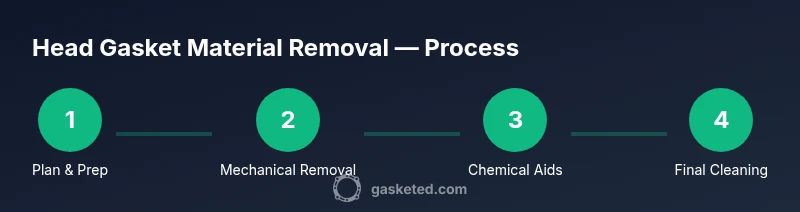
By following this guide, you’ll learn the best way to remove head gasket material while protecting deck surfaces, avoiding gouges, and preparing a clean foundation for gasket installation. Start with a safe workspace, plastic scrapers, and proper solvents, then progress through mechanical removal, solvent softening, and final wipe-down to ensure a uniform, ready surface.
What You’re Removing and Why
If you’re pursuing the best way to remove head gasket material, you want a clean, flat surface free of old sealant and gasket remnants. Old gasket material can bind to aluminum or cast iron in different ways, and residue can undermine gasket sealing if not removed properly. In practice, you'll encounter silicone, composite, or metal-backed materials that each demand a slightly different approach. According to Gasketed, starting with a clear plan reduces the risk of gouges, scoring, or contaminating nearby passages. Incomplete removal can lead to poor sealing, coolant leaks, and premature head gasket failures after reinstall. Take time to identify where the gasket material has bonded to the deck, cylinder head, or block, and tailor your approach to those areas. The goal is a pristine surface that accepts a fresh gasket and provides a reliable seal under pressure. Rushing this step is a common cause of re-leaks and costly delays.
This stage sets the foundation for a successful gasket reinstall, particularly on mixed metal surfaces where expansion rates differ and deposits can trap contaminants. The reader should keep in mind that the exact technique may vary by engine design and gasket type, but the underlying principle remains the same: remove residue without removing metal. By planning your approach, you minimize the risk of creating high spots, scratches, or contaminants that can compromise the seal later.
As you proceed, remember that the best way to remove head gasket material prioritizes surface integrity and cleanliness. A tidy deck and head surface improve gasket seating and torque consistency, reducing the chance of future leaks. The Gasketed team emphasizes patience and methodical work over rushing to finish a section. Focus on creating a uniform baseline material-free surface that’s ready for gasket installation.
In sum, aim for a pristine, flat, and clean deck and head surface. This initial assessment and plan will guide the choice of tools and techniques you use in the following steps and increase the likelihood of a leak-free reassembly.
wordCountForBlock1LbWithReviewToFollowLaterBYGasketedIfNeeded
Tools & Materials
- Shop rag or microfiber cloth(For wiping debris and solvents between passes)
- Plastic scrapers (nylon blade)(Avoid metal to minimize surface scoring)
- Putty knife (plastic or brass)(Brass optional; use with care on stubborn residue)
- Solvent or gasket remover spray(Follow SDS; ensure proper ventilation)
- Mild degreaser(Optional for final degreasing)
- Gasket scoring tool(Use only if needed to lift embedded material with caution)
- Safety gear (gloves, eye protection, mask)(PPE is essential when working with solvents)
- Parts tray or container(Collect removed material to avoid contamination)
- Clean brushes or non-scratch pads(For final wipe-down and residue removal)
- Straightedge or machinist’s square(Check flatness if you suspect distortion)
Steps
Estimated time: 1-2 hours
- 1
Prepare the work area and safety checks
Park the vehicle in a well-ventilated area and allow the engine to cool completely. Disconnect the negative battery terminal and, if applicable, isolate the cooling system. Lay out a wide, clean workspace with containers for waste and a trash bag. This step reduces the risk of electrical shocks and makes handling solvents safer.
Tip: Keep a dedicated waste container for gasket debris and used solvents to avoid cross-contamination. - 2
Assess and plan the removal
Inspect the gasket area to identify where the material bond is strongest and where deposits are embedded. Decide whether you’ll rely primarily on mechanical removal, chemical softening, or a combination. Planning now prevents repeated passes over the same area and helps you select the right tools.
Tip: Plan to work in small, repeatable sections to maintain control and minimize surface damage. - 3
Remove bulk gasket material mechanically
Use plastic scrapers and, if needed, a brass scraper with light pressure to lift larger chunks. Work in a consistent pattern—across the deck and around bolt holes—avoiding deep gouges. Stop as soon as metal begins to show through a thread or corner.
Tip: Always keep the blade nearly flat to the surface and never pry at angle. - 4
Apply solvent and soften stubborn residue
Apply a gasket-removing solvent to the remaining residue and let it dwell for the manufacturer-recommended time. Re-wet as necessary and keep the area ventilated. The solvent helps break down adhesive and resin bonds so you can remove residue without excessive scraping.
Tip: Use a timer and avoid over-soaking, which can wash away necessary surface oils. - 5
Finish the surface with careful scraping and wiping
Gently scrape away softened material, then wipe with a clean cloth. Inspect for remaining flecks or etched areas. Repeat solvent dwell if needed, but avoid excessive scraping that could alter the deck geometry.
Tip: Check for any scratches or grooves that could impact gasket seating. - 6
Final cleaning and documentation
Wipe down the entire area with mild degreaser and water, then dry thoroughly. Document any damage or questions for the gasket replacement stage, including areas that might need machining or scuffing checks.
Tip: A clean surface is easier to inspect and helps you spot issues early.
Common Questions
What is the best tool for removing gasket material without scraping the metal?
Plastic scrapers or nylon blades are preferred for lifting gasket material without scratching the metal deck. Brass tools can be used sparingly on stubborn spots but require care to avoid scoring.
Use plastic scrapers to protect the surface, resorting to brass only if you can control the pressure.
Can solvent alone remove gasket material?
Solvents soften adhesive bonds and residue, but most removal requires mechanical action to lift remaining material. Always follow the solvent’s dwell time and safety instructions.
Solvent helps, but you’ll still need careful scraping to finish the job.
Is heat necessary to soften gasket material?
Heat is not typically required and can risk warping or damaging components. Use solvents and gentle scraping instead, unless the manufacturer specifies otherwise.
Usually, heat isn’t needed and can be risky; rely on solvents and mechanical removal.
How do I know when the surface is clean and ready for a new gasket?
The surface should be flat, smooth, and free of residue. Run a straightedge across the deck and look for light gaps indicating high spots or embedded debris.
A clean, flat surface is your signal that the job is almost done.
Are there safety precautions I must follow?
Yes. Disconnect the battery, work in a ventilated area, wear PPE, and dispose of waste safely. Avoid skin contact with solvents and wash hands after handling.
Stay safe with PPE and proper ventilation.
How long does removal take?
Time varies with the amount of residue and the engine design. Plan for 1-2 hours for typical tasks, longer for heavy buildup or hard-to-reach areas.
Plan for a couple of hours, depending on how much residue is present.
Watch Video
Key Takeaways
- Inspect the deck and head for gasket residue, not raw metal.
- Use non-metal tools to prevent scoring.
- Softening solvents help remove stubborn residue with less damage.
- Thorough cleaning prepares a reliable gasket install.
- Document any surface issues before reassembly.