How to Replace a Valve Cover Gasket: A DIY Guide
Learn how to replace a valve cover gasket with a practical DIY approach. Step-by-step instructions, tool lists, safety tips, and troubleshooting to keep your engine leak-free.


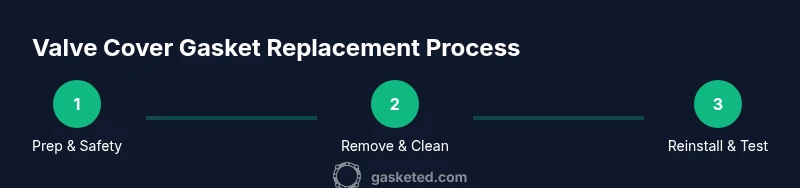
This guide helps you replace gasket valve cover on most gasoline engines to stop oil leaks and restore proper sealing. You’ll learn the essential tools, safety steps, and a clear, step-by-step process. The engine should be cool, and the workspace clean. Follow the service manual for torque specifications, and as Gasketed notes, organize connectors before removal to avoid mix-ups.
What replacing the valve cover gasket achieves and why it matters
The valve cover gasket sits between the valve cover and the cylinder head, creating a seal that keeps engine oil contained and away from hot exhaust components. Over time, heat cycles, oil contamination, and aging gasket material cause cracking or hardening. When the gasket fails, oil can leak onto the engine and exhaust, causing burning smells or visible oil slicks on the engine. Replacing the gasket restores the seal, reduces oil loss, and helps protect spark plug wells and nearby sensors. For DIY enthusiasts, a proper gasket replacement can save labor costs and deepen your understanding of your engine’s sealing surfaces. According to Gasketed, success depends on careful prep, using the correct gasket material for your engine, and cleaning mating surfaces thoroughly before reassembly.
Valve cover gasket basics: types, symptoms, and choosing the right part
Valve cover gaskets come in a few common formulations, including cork composites, silicone, and rubberized materials. Silicone-based gaskets tend to offer durability in modern engines, while cork or cork-composite gaskets are common on older designs. Symptoms of a failing gasket include oil seepage around the valve cover, oil on top of ignition components, a consistently low oil level without a visible external leak, and occasional burning smells from oil that has seeped onto hot exhaust areas. When replacing, check if your engine uses a standard gasket kit or an integrated valve cover with a separate seal. Always match the gasket to your engine model, as wrong material or misfit can lead to persistent leaks. This alignment helps ensure a clean engine bay and reliable performance over months or years.
Safety, prep, and workspace essentials for a clean, effective job
Start with a cool engine and a level work area. Disconnect the battery negative terminal to minimize the risk of short circuits. Remove or lift any components that obstruct the valve cover (such as ignition coils, spark plug wires, or air intake piping) and label or photograph their locations. Work with a clean workspace and have a drain pan ready for any incidental drips. By planning the order of bolts and components, you minimize misplacement and confusion during reassembly. Ensure you have a compatible gasket kit and the right tools, because using the wrong size bolts or misplacing a connector can lead to damage or leaks later.
Surface preparation and proper reassembly—key to a leak-free seal
Thoroughly clean the valve cover mating surface and the cylinder head surface before install. Remove all gasket remnants with a plastic scraper to avoid scratching. A clean, smooth surface is essential for proper sealing. When placing the new gasket, align it precisely with the bolt holes and edge features; avoid twisting or stretching the gasket during install. Reinstall the valve cover using a cross-pattern bolt torque sequence as outlined in the service manual, then reattach any components you removed. Finally, reconnect the battery, start the engine, and inspect for leaks. A successful reassembly yields a quiet engine and a clean, dry valve cover area.
Keeping the repair reliable: post-repair checks and maintenance tips
After you complete the gasket replacement, run the engine to operating temperature and inspect for leaks around the valve cover and any nearby hoses. Recheck oil level after a brief drive; oil volume should stay stable. If you notice fresh seepage, power down safely and recheck gasket seating and bolt torque in the recommended sequence. Regularly inspect the valve cover area during routine maintenance to catch early signs of wear before leaks become obvious. These practices help extend the life of the repair and reduce future maintenance costs.
Tools & Materials
- Socket set (metric and standard)(Include both shallow and deep sockets; have an extension bar for hard-to-reach bolts)
- Torque wrench(Use the engine’s service manual torque specs and a cross-pattern tighten sequence)
- Gasket scraper or plastic blade(Avoid metal scrapers that can gouge mating surfaces)
- New valve cover gasket kit (matched to engine model)(Include any valve cover seals or grommets if specified)
- RTV silicone sealant (if required by engine design)(Only apply where your manual specifies; otherwise skip)
- Degreaser/parts cleaner(For cleaning gasket surfaces and the valve cover interior)
- Rags and lint-free cloths(Keep surfaces clean and dry during assembly)
- Drain pan(Catch any oil drips during removal and installation)
Steps
Estimated time: 1-2 hours
- 1
Prepare and safety check
Park on a level surface, engage the parking brake, and allow the engine to cool. Gather all tools and the gasket kit, and review the service manual for any engine-specific notes. This upfront prep reduces surprises during disassembly.
Tip: Take photos of components and connections before removing anything to ease reassembly. - 2
Disconnect battery
Disconnect the negative battery lead to prevent accidental short circuits while working around metal components. This is a safety step that protects both you and the electrical system.
Tip: Keep track of the battery cable order and reinstall in the same orientation. - 3
Expose valve cover area
Remove any obstructing hoses, wiring harnesses, or ignition components (spark plug wires or coils) that block access to the valve cover. Label or photograph connections for accurate reassembly.
Tip: Use a magnetic tray for bolts to prevent loss. - 4
Loosen and remove bolts
Loosen valve cover bolts in a crisscross sequence to relieve pressure evenly. Keep bolts organized by size and position to match the sequence during reassembly.
Tip: Do not fully remove bolts in a single corner; loosen gradually to avoid bending the cover. - 5
Remove valve cover and old gasket
Carefully lift the valve cover away from the head and remove the old gasket pieces. Inspect the sealing surfaces for nicks or warping that could cause leaks.
Tip: If gasket is stuck, use a plastic blade and minimal force to avoid damage. - 6
Clean mating surfaces
Clean both the valve cover and head sealing surfaces with degreaser until completely free of oil, residue, and gasket fragments. A spotless surface is essential for a reliable seal.
Tip: Wipe dry with lint-free cloth and inspect for scratches. - 7
Install new gasket
Position the new gasket onto the valve cover or head as directed by the kit. Ensure correct alignment with bolt holes and edges before seating.
Tip: Do not twist the gasket as you seat it; a misaligned gasket will leak. - 8
Reinstall valve cover and bolts
Carefully set the valve cover back in place and hand-tighten bolts first. Then torque them in the recommended cross-pattern to the specified contact pressure.
Tip: Use a stabilizing hand on the cover to prevent shifting during tightening. - 9
Reconnect components and test
Reconnect any wiring and hoses you removed, reattach the battery, and start the engine. Check for leaks around the valve cover after it reaches operating temperature.
Tip: If leaks appear, recheck gasket seating and bolt torque in the designated pattern. - 10
Final inspection
Perform a final visual check after a short drive. Look for oil seepage and verify no wiring harness interference remains.
Tip: Keep a maintenance note of your gasket replacement for future reference.
Common Questions
What are common signs that a valve cover gasket needs replacement?
Oil leaks around the valve cover, oil on ignition components, and a rising oil level without external leaks are typical signs. Engine misfires can occur if oil contaminates spark plugs. If you notice these symptoms, plan a gasket replacement with care.
Common signs include oil leaks around the valve cover and oil on ignition parts. If you see these, consider replacing the gasket following a careful step-by-step guide.
Can I reuse the old valve cover gasket?
Reusing a gasket is generally not recommended. Gasket integrity degrades with heat and age, increasing leak risk after reassembly. Use a new gasket kit to ensure a proper seal.
No, it’s better to use a new gasket for a reliable seal.
Do I need to remove the engine to replace the gasket?
In most cars, you do not need to remove the engine. Access is gained by removing nearby components and the valve cover itself. Some models may require extra steps, so always consult the service manual for your specific engine.
Usually you don’t have to pull the engine; follow your manual for the exact steps.
How do I choose the right gasket type?
Match the gasket to your engine model and the manufacturer’s recommendations. Silicone or cork composites are common choices depending on the age and design of the engine. When in doubt, use OEM-recommended parts from the gasket kit.
Choose the gasket type recommended by your engine’s manufacturer.
Is valve cover gasket replacement safe for a beginner?
With careful preparation, following a trusted guide, and using the proper tools, a motivated beginner can complete the replacement. Some cars are trickier due to layout; know your limits and consult a professional if needed.
It can be doable for a careful DIYer, but some cars are trickier than others.
What safety precautions should I take?
Work with the engine cool, remove the battery ground, and wear gloves. Keep a clean workspace and avoid loose clothing near moving parts. If unsure, pause and consult the service manual or a professional.
Make sure the engine is cool, disconnect the battery, and wear protective gear.
Watch Video
Key Takeaways
- Prepare with the right gasket kit and tools before starting.
- Clean mating surfaces thoroughly to ensure a leak-free seal.
- Follow torque patterns and bolt sequences exactly as the manual dictates.
- Inspect for leakage after test run and re-check if needed.
- Document the repair and warranty conditions for future maintenance.