Fix Valve Cover Gasket Leak: DIY Guide
Learn to diagnose and repair a valve cover gasket leak with a step-by-step approach, essential tools, safety tips, and maintenance advice from Gasketed.


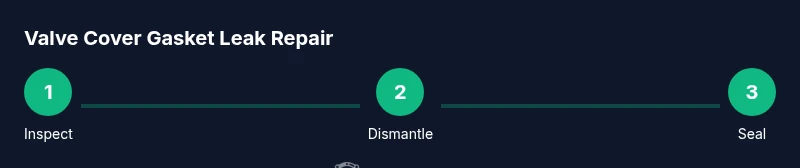
Your goal is to stop the leak by replacing the valve cover gasket with the correct gasket, sealant if recommended, and proper torque. This guide outlines diagnosis, removal, gasket replacement, reassembly, and leak testing, using safe practices and the right tools. According to Gasketed, choosing a quality gasket and following torque specs minimizes future leaks.
Why a valve cover gasket leak matters
Oil leaking from the valve cover is more than a messy engine bay. Left unchecked, it can contaminate ignition components, degrade seal surfaces, and trigger PCV system faults that increase crankcase pressure. A slow seepage can mask underlying engine wear, while a larger leak can reduce oil levels and lead to overheating. The Gasketed team notes that even a small gasket leak is worth addressing promptly to prevent corrosion on the valve cover and cylinder head. Early action preserves engine cleanliness and reliability, and helps you avoid more expensive repairs down the road.
Diagnosing symptoms and sources of leaks
Typical signs include oil on the valve cover gasket area, burnt oil smell, visible seepage along the gasket seam, or oil spots on the engine block. Leakage may stem from the gasket itself, the valve cover, or the PCV/vacuum plumbing attached to the cover. Gasketed analysis shows that improper torque, crushed gasket material, or a misaligned cover are common culprits. A careful inspection, including checking for oil around spark plug wells, helps pinpoint the source before you order parts.
Preparation: workspace, safety, and parts
Create a clean, well-lit workspace with a cool engine. Disconnect the negative battery to prevent shorts, wear eye protection and nitrile gloves, and prepare a pan to catch drips. Gather the required gasket kit, a suitable replacement, gasket scraper, torque wrench, and a set of sockets in the right sizes. Label hoses and connectors if you remove them, and take photos as you go. A tidy setup reduces the chance of lost bolts and misassembly.
Understanding gasket materials and sealants
Valve cover gaskets come in a range of materials, from cork and rubber to silicone blends. Most engines benefit from a high-quality gasket that matches the valve cover’s contour. Some designs require a small amount of non-hardening sealant on specific corners or corners where pressed surfaces contact the head; others rely solely on the gasket. Always refer to the manufacturer's recommendation. Using the wrong material or sealant can cause leaks or gasket deformation over time.
What to expect during reassembly and testing
After seating the new gasket, replace the valve cover and torque bolts in a crisscross pattern to the manufacturer’s spec. Clean up any residual oil, reconnect hoses, and reattach any electrical connectors. Reconnect the battery and start the engine gently, watching for leaks. A short test drive will verify whether oil drips persist and whether the PCV system operates normally. If oil leaks persist, recheck torque and gasket seating, and inspect the gasket surface for nicks.
Common mistakes and maintenance to prevent future leaks
Common pitfalls include over-tightening bolts, using old or damaged bolt threads, and reusing a worn gasket. Failing to clean the gasket surface can leave debris that creates leaks. Don’t forget to inspect the valve cover surface for warpage and ensure the head surface is clean. Going forward, plan periodic checks and replace the gasket if you notice oil seepage again. Regular maintenance saves time and money in the long run.
Authority sources
- https://www.nhtsa.gov
- https://extension.oregonstate.edu
- https://www.popularmechanics.com
Tools & Materials
- socket set(Metric and SAE sizes; include deep sockets)
- torque wrench(Capable of 6-9 ft-lbs range and higher)
- gasket scraper(Plastic or metal, to clean surfaces)
- new valve cover gasket kit(OEM-style or exactly matching gasket)
- non-hardening gasket sealant(Only if recommended by gasket type)
- drain pan(Catch oil during removal)
- shop towels(Keep workspace clean)
- rubber mallet(To help dislodge stuck parts)
- penetrating oil(Loosen stubborn bolts)
- masking tape(Label hoses and components)
Steps
Estimated time: 60-120 minutes
- 1
Prepare the vehicle and workspace
Park on a level surface and allow the engine to cool. Disconnect the negative battery lead, remove nearby components as needed to access the valve cover, and lay out tools in a logical order. Take photos to document your disassembly for reassembly.
Tip: Take photos of component connections before you touch them to avoid misplacement. - 2
Access the valve cover
Remove any obstacle components such as ignition coils or breather hoses blocking access to the valve cover. Keep related hardware together using labeled containers. Do not force parts that are stubborn; apply penetrating oil if needed.
Tip: Note the sequence of bolts and any spacers for accurate reassembly. - 3
Remove the old gasket
Loosen bolts in a crisscross pattern and lift the valve cover away. Inspect the gasket for cracks or deformation and wipe the sealing surfaces clean with a lint-free rag. If the gasket sticks, gently pry with a plastic scraper to avoid gouging.
Tip: Avoid bending the valve cover; keep it level when removing. - 4
Prepare the mating surface
Clean oil from the head and valve cover faces using a solvent recommended by the gasket maker. Check for warping or damage; replace the valve cover if you see any corrosion or deep scratches that will prevent a seal.
Tip: Ensure the mating surface is completely dry before applying the new gasket. - 5
Install the new gasket
Fit the new gasket around the valve cover seating edge, aligning with bolt holes. If your kit includes a silicone sealant, apply only at recommended points and allow curing as directed before bolting the cover back on.
Tip: Do not stretch or twist the gasket; ensure a uniform seal. - 6
Reinstall valve cover and torque bolts
Place the valve cover back and hand-tighten bolts. Use a crisscross pattern to torque to the manufacturer’s specification, typically in small increments. Reinstall any hoses, coils, or other components, reconnecting electrical connections.
Tip: Torque specs vary by engine; under-torquing can cause leaks, over-torquing can crack the cover. - 7
Test for leaks and finalize
Reconnect the battery, start the engine, and inspect the valve cover area for fresh oil leaks. Recheck torques after a short run and address any seepage immediately. Do a quick test drive to confirm the seal.
Tip: After running, recheck torque if you notice bolt gaps.
Common Questions
What are common signs of a valve cover gasket leak?
Common signs include oil spots on the engine, a burnt oil smell, and oil near the valve cover area. You may also notice oil under the spark plug wells or on ignition components.
Look for oil spots around the valve cover and a burnt oil smell that suggests a gasket leak.
Can I reuse my old valve cover gasket?
In most cases, reuse is not recommended. A new gasket ensures a proper seal and reduces the risk of future leaks. Always inspect the old gasket for cracking or tearing before deciding.
It's usually best to replace the gasket rather than reuse it.
Do I need to remove the engine from the car to replace a valve cover gasket?
No, you can typically access and replace the valve cover gasket with the engine in the car. Some vehicles require removing other components for access, but an in-place gasket replacement is standard.
No need to pull the engine; you can do it in the engine bay.
Why does the PCV system matter for valve cover leaks?
The PCV system vents pressure from the crankcase. A clogged or faulty PCV valve can increase pressure and force oil past the gasket. Check PCV lines during diagnosis.
A faulty PCV system can worsen leaks; inspect it while you work.
What if oil keeps leaking after replacement?
If leaks persist, recheck gasket orientation and torque, inspect the mating surfaces for damage, and consider replacing the valve cover or gasket again if necessary. Persistent leaks may indicate a warped surface.
If leaks persist after replacement, recheck everything and consider a professional evaluation.
Watch Video
Key Takeaways
- Inspect thoroughly before replacement.
- Use the correct gasket and torque specs.
- Clean surfaces thoroughly for a reliable seal.
- Test the repair with a careful engine run and inspection.