What to Lube Gaskets With: A DIY Lubrication Guide
Learn what to lube gaskets with, how to choose the right lubricant for different gasket materials, and step-by-step techniques to ensure a reliable, long-lasting seal in home repairs and DIY projects.


You can learn what to lube gaskets with and why the right lubricant matters for seal longevity. The best options depend on gasket material (rubber, silicone, or metal) and the service environment (food contact, high heat, or exposure to chemicals). Avoid petroleum-based greases on rubber; use silicone-based or specialized gasket lubes.
Why Lubrication Matters for Gaskets
If you're trying to decide what to lube gaskets with, understanding the basics helps you avoid leaks and premature wear. Lubrication reduces friction during assembly, helps the gasket seat evenly, and can extend the life of both gasket and mating surfaces by reducing wear and heat buildup. The right lubricant also protects rubber and composite seals from drying out or swelling when exposed to heat, chemicals, or moisture. According to Gasketed, the choice should balance material compatibility, service temperature, and contact with food or potable water if relevant. Always verify that the lubricant won’t degrade the gasket material or adhesive, and follow manufacturer recommendations. A well-lubed gasket is easier to install, seals more reliably, and minimizes the risk of dry gas leaks in critical systems. In many DIY projects—from kitchen appliances to outdoor plumbing—choosing the correct lubricant makes the difference between a lasting seal and a recurring headache. The guidance provided here aims to empower homeowners with practical, safe options for common home repairs in 2026.
Material considerations: Rubber, Silicone, Metal, and More
Gaskets come in a range of materials, and the lubricant you pick must be compatible. Rubber gaskets typically tolerate silicone-based lubricants that stay pliable without swelling; petroleum-based greases can cause swelling or cracking over time. Silicone gaskets (or fluoroelastomer variants) usually tolerate silicone grease and specific food-grade products that remain stable at higher temperatures. Metal seals may use light mineral oil or anti-seize compounds in threaded joints—but only when the manufacturer permits it. Cork, fiber, and felt gaskets often rely on very light lubricants or none at all; over-lubrication can trap debris or create hard spots. When in doubt, test a small area or consult the gasket’s material data sheet. The aim is to reduce friction without creating a slippery surface that would attract dirt or misalign during reassembly. This material-aware approach helps ensure you select the right lubricant for each specific gasket type in your home projects.
Choosing a lubricant by application
For household appliances and irrigation fittings, choose a silicone-based, water-safe lubricant labeled suitable for rubber and plastics. For automotive or plumbing joints exposed to oil or coolant, a light petroleum-based product is sometimes acceptable on metal but should be avoided on rubber unless explicitly approved. Food-grade lubricants are essential for devices that contact food or drinking water, so look for products labeled as safe for food contact (NSF/ANSI 3). Do not mix lubricants; environments with heat or chemical exposure benefit from high-temperature silicone greases or specialty gasket lubricants designed for your specific service. If your system requires a lubricant with corrosion inhibitors, verify compatibility with the gasket and any mating metals before use. The key is to use the minimum amount needed to create a smooth seal, not a slick mess. This ensures dependable performance across kitchens, gardens, and workshop projects in 2026.
Common pitfalls to avoid
One common mistake is using the wrong lubricant for the gasket material. Rubber seals can degrade under petroleum-based greases, while silicone seals can be hardened by certain wax-based products. Another pitfall is applying too much lubricant. Excess lube can attract dirt, create uneven sealing surfaces, or cause the gasket to slip out of place during tightening. Do not apply lubricant to surfaces that should stay dry, such as contact faces in some pressure-tight assemblies. Always verify that the lubricant is compatible with any adhesives or sealants used in the joint, as incompatible combinations can fail under heat and pressure. Finally, never reuse old lubricant left in a joint after disassembly—clean and reapply fresh material to avoid contamination. Those small checks save time and potential leaks in everyday DIY tasks.
Cleaning and surface prep before lubrication
Surface preparation sets the stage for a reliable seal. Start by disconnecting power or water supply and letting components cool. Use a clean, lint-free cloth to wipe away oil, grease, dust, or old gasket residue. If needed, a mild soap solution can assist in loosening grime; follow with a wipe-down using isopropyl alcohol or a dedicated gasket cleaner to remove residues. Ensure every surface is completely dry before applying lubricant, since water or soap residue can interfere with the seal. When working with rubber gaskets, do not stretch or twist the gasket during cleaning—treat it with care to avoid micro-tears that compromise sealing performance. Finally, inspect the mating surfaces for nicks or deformation that could prevent a uniform seal. This careful prep reduces the chance of leaks after reassembly.
Environmental and safety considerations
Select lubricants that are appropriate for the operating environment: food-contact surfaces require FDA-compliant or NSF-certified lubricants; hot surfaces may require high-temperature silicone variants; electrical components benefit from dielectric lubricants. Always wear gloves to minimize skin contact and protect gaskets from oils on your hands. Work in a well-ventilated area to avoid inhaling fumes from solvents or solvents-based products. Follow the product’s SDS (Safety Data Sheet) for storage, disposal, and handling guidelines. Never mix products; use one recommended lubricant type for a project to avoid chemical incompatibilities that could undermine the seal. Keeping safety in mind helps you complete DIY repairs without risk to family members or household systems.
Application techniques: apply thin, even coats
Begin with a small amount of lubricant on a clean applicator or your gloved fingertip. Apply a thin, even layer along the gasket lip and onto any sealing surfaces—avoid pooling. For flat gaskets, a light smear around the circumference suffices; for O-rings, a tiny amount to cover the surface with a uniform sheen is enough. Wipe away any excess before reassembly to prevent drips or staining. When possible, lubricate only the contact surfaces that will touch the mating parts; do not coat the faces that will bear compression, as excess lube can reduce effective clamping force. Allow a few minutes for the lubricant to settle before tightening to ensure even seating. This careful technique yields a reliable seal with minimal disassembly if you need to reseal later.
Maintenance and storage
Keep lubricants in their original containers with clearly labeled directions. Store in a cool, dry place away from sunlight and heat sources that could degrade the product. Before the next project, inspect gaskets for signs of drying, cracking, or swelling; replace if necessary rather than re-lubing an old gasket. Reapply lubricant during regular maintenance according to manufacturer recommendations, particularly for seals that experience frequent cycling or fluid exposure. If you used food-grade products, ensure any resample is properly sealed to maintain quality. A routine lubrication habit helps prevent leaks and extends gasket life.
Tools & Materials
- Silicone-based gasket lubricant(Choose food-grade if handling food-contact equipment; avoid graphite-containing products for rubber)
- Petroleum-based grease(Only use on metal surfaces if explicitly approved by manufacturer)
- Petroleum jelly (Vaseline)(Not recommended for rubber gaskets unless approved; verify compatibility)
- Isopropyl alcohol (70% or higher)(For cleaning surfaces prior to lubrication)
- Lint-free cloths(Use to wipe surfaces clean without leaving fibers)
- Soft-bristle brush(For removing debris from mating surfaces)
- Gloves(Protect hands and prevent oils from contaminating gasket material)
- Mild dish soap(Initial cleaning of gaskets and housings)
- Water source(Rinse surfaces after cleaning)
Steps
Estimated time: 30-45 minutes
- 1
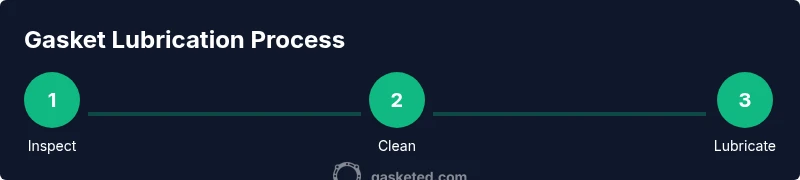
Inspect the gasket and surroundings
Begin by visually inspecting the gasket for cracks, tears, or deformations. Check the mating surfaces for nicks, burrs, or irregularities that could interfere with seating. If damage is found, replace the gasket rather than lubricate a compromised seal.
Tip: Document any damage with a quick photo so you can source a matching replacement later. - 2
Clean surfaces and gasket
Remove old lubricant, debris, and residues using a lint-free cloth and isopropyl alcohol. For stubborn grime, use a soft brush and a mild soap solution, then wipe dry. Ensure no fibers remain that could interfere with a uniform seal.
Tip: Allow surfaces to dry completely before applying lubricant to avoid trapping moisture. - 3
Choose the right lubricant
Refer to material data for the gasket and the service environment. Rubber often prefers silicone-based lubricants; metal joints may tolerate light oils if specified. For food-contact applications, select food-grade lubricants.
Tip: If unsure, start with a conservative amount and test on a non-critical joint first. - 4
Apply lubricant thinly and evenly
Dip a clean applicator or gloved finger and apply a thin, even layer along the gasket lip and into the sealing surfaces. Avoid pooling or thick coats that can squeeze out and contaminate the joint.
Tip: Wipe away any excess before reassembly to prevent drips. - 5
Reassemble and test
Place the gasket and components back together, tighten according to manufacturer specs, and perform a leak test if appropriate (water or inert gas). Look for uniform contact and absence of gaps.
Tip: If leaks appear, disassemble and reseat with a fresh, thin coat of lubricant. - 6
Cleanup and storage
Dispose of rags properly and reseal lubricant containers. Store in a cool, dry place away from heat sources and sunlight. Record maintenance for future reference.
Tip: Label leftovers with date and gasket reference to avoid cross-use later.
Common Questions
Is silicone grease safe for rubber gaskets?
Yes, silicone-based greases are generally compatible with many rubber gaskets, but always check the material data sheet and the lubricant label to confirm compatibility.
Yes, silicone grease is typically safe for rubber gaskets, but always check the gasket’s data sheet and the product label.
Can I use Vaseline on gasket seals?
Vaseline is not recommended for most rubber gaskets because it can cause swelling or degradation over time. Use a silicone-based lubricant instead, unless the manufacturer specifies otherwise.
Vaseline isn't usually recommended for rubber gaskets; use silicone-based lubricants unless the manufacturer says otherwise.
What if I don’t know the gasket material?
If the material is unknown, start with a small amount of a general-purpose silicone lubricant and test on a non-critical joint. Consult the device manual or manufacturer for material specifics.
If you don’t know the gasket material, start with a tiny amount of silicone lubricant and test on a non-critical joint; check the manual for specifics.
How often should you lubricate gaskets?
Lubrication frequency depends on use, exposure to heat or chemicals, and cycling. Regular inspection during maintenance is the best guide; re-lubricate when the gasket shows signs of dryness or cracking.
It depends on use and environment; inspect regularly and re-lubricate when the gasket looks dry or cracked.
Is lubrication needed for all gasket types?
No. Some gaskets rely on a dry seal; always follow the manufacturer’s guidance. When in doubt, start with a thin lubricant on compatible materials and monitor the seal after testing.
Not all gaskets need lubrication—follow the manufacturer’s guidance and test the seal after installation.
What should I do if I see leaks after lubrication?
Disassemble the joint, clean surfaces, inspect for damage, and reapply a fresh, thin coat of an appropriate lubricant. If leaks persist, replace the gasket or seek professional help.
If you see leaks, take it apart, clean, inspect, and re-lubricate with a thin coat; replace if needed.
Watch Video
Key Takeaways
- Know gasket material before choosing lubricant.
- Use silicone-based lubricants for rubber gaskets.
- Avoid petroleum-based greases on rubber without approval.
- Apply thin coatings and test seating after assembly.
- Maintain and store lubricants properly to extend shelf life.