How to Repair a Refrigerator Gasket: A DIY Guide
Learn how to repair a refrigerator gasket with a practical, step-by-step approach. Diagnose wear, clean and adjust seals, test door alignment, and know when to replace, all to restore a tight, energy-saving seal.


According to Gasketed, a worn refrigerator gasket can cause air leaks, frost, and higher energy bills. This guide shows how to diagnose problems, clean and test the seal, adjust doors, and replace the gasket when needed. Collect common tools, follow safe steps, and you’ll restore a tight, energy-efficient seal for many years of quiet operation.
How to repair a refrigerator gasket: overview
The door seal on a refrigerator is a simple, flexible gasket that keeps cold air inside and prevents warm air from entering. Over time, repeated opening, uneven door loads, and exposure to moisture can cause it to crack, become stiff, or detach slightly from the frame. When this happens, you may notice frost buildup near the door, increased condensation, or a louder compressor cycle. Learning how to repair a refrigerator gasket means understanding when a fix is cosmetic, when a realignment is enough, and when a full gasket replacement is necessary. This guide blends practical repair techniques with maintenance tips to help you save energy and extend the life of your fridge. The aim is to empower DIY enthusiasts to assess, repair, or replace the gasket safely and effectively.
The basics of how to repair a refrigerator gasket
A refrigerator gasket is a long, flexible strip that forms a seal around the door. It remains pliable through regular use and forms a tight seal when the door is closed. Wear can manifest as cracks, tears, or a gasket that sits away from the cabinet. The repair approach depends on the issue: light wear may respond to cleaning and realignment, while cracks or deep deformities usually require replacement. Realignment can fix gaps at the corners, and the right gasket size ensures a proper seal across the entire door perimeter.
Signs your gasket needs attention
Common indicators include visible cracks, sticky or stiff sections, air drafts around the door, frost near the gasket area, and the door not closing with a single firm shut. If the seal feels loose when you press it with a fingertip, the gasket is likely worn and loses its memory. Even if the door closes, if you can slip a dollar bill between the door and the cabinet with noticeable resistance, you may have a compromised seal. These signs help you decide whether a cleaning, realignment, or full replacement is required.
Cleaning and conditioning: a quick fix for minor wear
Before heavy repairs, start with a thorough cleaning of the gasket and the mounting surface. Use warm water with mild dish soap and a soft cloth to remove sticky grime that inhibits a good seal. Rinse with clean water and dry completely to prevent mold growth. For flexible gaskets, avoid petroleum-based cleaners that can dry them out; instead, use a gentle soap solution and air-dry or pat dry. Cleaning can restore pliability and help you assess the true condition of the gasket.
Door alignment and hinge adjustments: why they matter
A misaligned door can create gaps even with an intact gasket. Check that the door sits flush against the cabinet when closed and that the hinges are firmly attached. If the door sags slightly or leans, tighten the hinge screws in small increments and re-test the seal. In some models, you may need to adjust the strike plate or door alignment cams to restore a even contact around the full gasket perimeter. Proper alignment often eliminates leaks without replacing the gasket.
Replacement vs. repair: deciding what to do
If the gasket is cracked, torn, or has lost its elasticity to the point of no return, replacement is the most reliable fix. For minor wear and stiffness, cleaning, realignment, and conditioning can restore function temporarily and extend gasket life. Replacement allows you to restore a factory-grade seal and may improve energy efficiency. Always compare the cost of a replacement gasket and the potential energy savings against the time and effort required for a repair.
How to measure and choose a replacement gasket
Accurate measurement is essential for compatibility. Remove the gasket carefully and measure its width, height, and cross-section at multiple points along the door. Record the perimeter length and note any unusual contours around corners. Use these measurements when shopping for a replacement to ensure a proper fit. If you’re unsure of model compatibility, check the appliance’s manual or the manufacturer’s website, and bring photos of your door and current gasket when you shop. A correctly sized gasket will seat evenly and form a uniform seal around the entire door.
The replacement workflow: what to expect
A typical replacement workflow includes removing the old gasket, preparing the mounting channel, placing the new gasket, and verifying a secure seal around the door. Expect a 30–60 minute process for straightforward doors, with longer times for complex hinges or if the door must be removed. After installation, run the door closed for a few hours to allow the gasket to settle. A final check with a flashlight around the seal helps ensure there are no gaps.
Common mistakes to avoid
Avoid over-tightening hinge screws, which can warp the door or damage the cabinet. Don’t use tools that scratch or nick the mounting surface. Never apply solvent-based cleaners to rubber gaskets, as they can dry out the material. Ensure the gasket sits flat without twists or gaps at the corners. Lastly, do not rush the alignment; take time to test the seal by closing the door and checking for uniform resistance along the entire edge.
Maintenance tips for a longer gasket life
Regularly clean the gasket and the frame to prevent grime buildup that interferes with sealing. Inspect the gasket every 6–12 months and after any door impact. If you notice changes in door alignment, address them promptly to avoid accelerated wear. Consider replacing the gasket every few years as part of a proactive maintenance plan, especially in high-use kitchens. Proper maintenance helps ensure energy efficiency and food safety.
Safety and when to call a professional
Always unplug or switch off power before handling the door area to avoid electrical hazards. If you suspect a warped door, a broken frame, or persistent leaks after a repair or replacement, contact a professional technician. Some models require special tools or hinge removal that goes beyond basic DIY. Safety first protects both you and your appliance.
Energy savings, timing, and expected outcomes
A well-sealed door reduces cool air loss, which lowers energy consumption and helps maintain consistent temperatures. A properly installed gasket improves efficiency and can extend the life of the compressor by reducing cycling. Expect a noticeable improvement in door performance and energy bills when the seal is functioning correctly. Regular maintenance keeps your refrigerator running smoothly and safely.
Tools & Materials
- Soft cloths or microfiber towels(for cleaning and drying surfaces)
- Mild dish soap(use with warm water)
- Warm water(for cleaning)
- Non-abrasive sponge or soft brush(to scrub the gasket without damage)
- Measuring tape or ruler(to measure gasket dimensions)
- Replacement gasket (if needed)(choose a model-matching gasket)
- Screwdriver set (Phillips and flat-head)(for hinge screws or mounting screws)
- Flashlight(to inspect tight areas and edges)
- Optional gasket conditioner(if recommended by manufacturer)
- Gloves(protect hands during handling)
Steps
Estimated time: 60-90 minutes
- 1
Inspect gasket and door
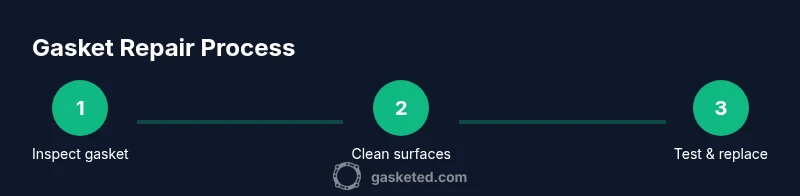
Begin by visually inspecting the gasket for cracks, tears, or visible gaps. Run your fingers along the seal to feel for stiff or brittle areas. Check that the door sits flush when closed and that there are no obvious misalignments.
Tip: Use a flashlight to check for cracks along the entire gasket perimeter. - 2
Test seal integrity
Close the door on a thin dollar bill or piece of paper and gently pull it; if the bill slips out easily, the seal may be worn. Do this at several points around the door to identify weak spots.
Tip: Test at both the top and bottom corners, as wear is often uneven. - 3
Clean gasket and mounting surface
Mix mild soap with warm water and clean both the gasket and the mounting channel. Rinse with clean water and dry thoroughly to prevent mold and to assess the true condition of the gasket.
Tip: Avoid strong solvents that can degrade rubber over time. - 4
Tighten or adjust hinges
If the door seems to sag, tighten hinge screws in small increments and recheck the seal. Misalignment can cause gaps even with an intact gasket.
Tip: Only tighten a quarter turn at a time to avoid stripping screws. - 5
Decide on replacement vs repair
If the gasket shows deep cracks or feels permanently stiff, replacement is usually best. For minor wear, cleaning and realignment can extend life.
Tip: Compare the replacement cost and effort to the expected energy savings. - 6
Install replacement gasket (if needed)
Remove the old gasket carefully from the door. Place the new gasket into the channel, starting at a corner and working along the edges. Ensure the gasket sits evenly and without twists.
Tip: Refer to the gasket's instructions for any model-specific steps. - 7
Recheck door alignment after install
Close the door and test seal around the entire perimeter. Look for even contact with no visible gaps. Re-tighten hinges if needed.
Tip: Make sure the door is fully closed during the test to avoid skewing results. - 8
Test long-term performance
Leave the door closed for a few hours and re-check the seal. A settled gasket should show improved contact and reduced drafts.
Tip: If leaks persist, re-evaluate gasket size and alignment.
Common Questions
Can a warped door prevent a gasket from sealing properly?
Yes. A door that doesn't sit flush can prevent the gasket from sealing correctly, even if the gasket itself is good. Check alignment and hinge mounting before assuming the gasket is the problem.
A warped door can stop sealing properly; check alignment and hinges.
Is it safe to use silicone sealant on a refrigerator gasket?
No. Avoid silicone or glue on gaskets or door seals. Use manufacturer-recommended gaskets and follow their installation instructions.
Avoid silicone sealants on fridge gaskets; use the right gasket.
How long does it take to replace a refrigerator gasket?
Most replacements take about 30 to 60 minutes, depending on the door design and your experience.
Most gasket replacements take about half an hour to an hour.
Will cleaning the gasket fix a leaky seal?
Cleaning removes grime that can prevent sealing, but cracks or hardening usually require replacement.
Cleaning helps, but a cracked gasket likely needs replacement.
Should I unplug the fridge before starting?
Yes. Unplugging reduces shock risk and protects components during gasket work.
Unplug the fridge before starting.
Can I repair a refrigerator gasket without removing the door?
Many repairs can be done with the door on, but some models require door removal for best access.
Sometimes you can repair with the door on; other times you must remove it.
Watch Video
Key Takeaways
- Inspect before you repair to choose the right action
- The dollar bill test helps verify seal quality
- Door alignment often fixes leaks without gasket replacement
- Choose replacement if cracks or stiffness are evident
- Regular maintenance saves energy and protects food safety