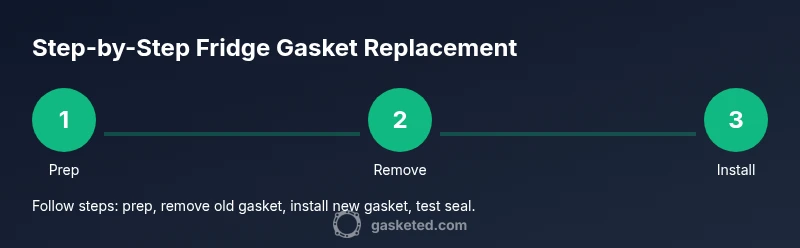
How to Replace Fridge Gasket: A DIY Guide
Learn how to replace fridge gasket to fix leaks, improve energy efficiency, and extend the life of your fridge. This step-by-step DIY guide covers diagnosis, tools, removal, installation, testing, and maintenance.


By following this guide, you will replace a fridge gasket to restore a tight door seal and improve energy efficiency. You’ll learn how to identify a worn gasket, gather the right tools, remove the old seal, fit a replacement, and test the result. This DIY repair helps prevent cold air leaks and frost buildup, saving energy and money.
Why replacing a fridge gasket matters
Replacing a worn fridge gasket is essential because a damaged seal allows warm room air to flow into the fridge and cold air to escape. This simple problem can drive up compressor run time, frost buildup, and energy bills. If you're wondering how to replace fridge gasket, you can do it with common household tools and a careful approach. A good gasket restores the airtight seal around the door, keeps food at the right temperature, and reduces condensation on the exterior.
Before you begin, confirm the gasket is the source of the issue. Look for tears, cracks, or gaps when the door is closed. A flashlight can help you spot light shining through the seal. Even small gaps can permit air exchange; the door may feel stiff or misaligned. Keep in mind that weather conditions and door habit play a role; a heavier gasket may require a stronger hinge alignment. In this guide, the Gasketed team shares a practical method to diagnose, replace, and test a fridge gasket so you can return to reliable cooling quickly.
Identifying the right gasket type and size
Gasket types vary by model and door configuration. Check the model number and measured gasket dimensions before purchasing a replacement. A correctly sized gasket ensures an even seal around the entire door, preventing air leaks at the corners. If the current gasket has been deformed by improper door alignment, address the hinge or strike issues alongside the gasket replacement. The goal is a uniform seal that holds when the door is closed firmly.
Tools and materials overview
You’ll need a few common tools and a replacement gasket. Having everything ready reduces downtime and helps the process go smoothly. Gather mild soap, warm water, a clean cloth, a hair dryer or heat gun (low setting) to soften the gasket, and the replacement gasket that matches your fridge’s model. Optional but helpful: a small flat-blade screwdriver or plastic pry tool for easing the gasket off the door channel.
Safety and preparation steps
Unplug the fridge or switch off the circuit to avoid any electrical risk. Remove all items from the door shelves that could snag the gasket during removal. Place a towel under the door to catch any water during cleaning. If your gasket is stiff or brittle, avoid forcing it; warming it slightly with a hair dryer makes it more pliable and easier to work with.
Preparing the new gasket for installation
Lay the replacement gasket flat on a clean surface and allow it to relax for at least one hour to several hours, depending on climate. Gasket manufacturers sometimes recommend soaking or flexing the gasket to reduce memory. If your new gasket has a bevel on the inner lip, align it with the door channel so the gasket sits evenly when closed.
Installing the new gasket: step-by-step overview
Position the gasket against the door, starting at the top hinge area and working downward. Secure the gasket into the door channel with gentle pressure, making sure there are no gaps around the frame. If the gasket has screws or rivets, reinstall them carefully using the original hardware. Check that the gasket sits flush with the door edge all the way around.
Checking alignment and testing
Close the door with moderate force to check for uniform contact along the seal. Run a simple water test by spraying a fine mist around the door edge to see if droplets bead or streak away. If you notice leaks, recheck the gasket seating or adjust the hinge alignment. A properly installed gasket should require only a light touch to close and stay sealed.
Maintenance tips to extend gasket life
Regularly clean the gasket with mild soap and water to prevent grime buildup that can affect sealing. Avoid over-tightening door shelves that press on the gasket. If you notice continuing leaks, inspect the door alignment and replace the gasket if it shows cracking or tearing. Keeping the seal dry and pliable extends its life.
Tools & Materials
- Fridge gasket (OEM or compatible replacement)(Match model number and door type)
- Soft cloths or microfiber towels(For cleaning and drying)
- Warm water and mild dish soap(Gentle cleaning solution)
- Plastic putty knife or plastic pry tool(Eases gasket removal without damage)
- Hair dryer or heat gun (low heat)(Softens gasket for easier installation)
- Isopropyl alcohol (70% or higher)(For adhesive residue cleanup)
Steps
Estimated time: 45-75 minutes
- 1
Safety and prep
Unplug the fridge, clear the door shelves, and protect the floor. This reduces electrical risk and prevents items from snagging the gasket during removal.
Tip: Have a helper hold the door if it’s heavy to avoid pinching. - 2
Remove old gasket lip
Gently pull the gasket away from the door channel starting at a corner using a plastic prying tool. Do not yank; work slowly to avoid stretching the channel.
Tip: Take photos of how the gasket sits for reference during reinstallation. - 3
Clean the door edge
Wipe the door edge with warm soapy water to remove grime. Dry thoroughly to ensure the new gasket sits evenly.
Tip: Inspect for damaged door channels that may need repair. - 4
Prepare the new gasket
Lay the replacement gasket on a flat surface and let it relax for 30-60 minutes. If stiff, warm the lip with a hair dryer to improve flexibility.
Tip: Do not force the gasket into shape; gradual bending works best. - 5
Install the gasket into the channel
Starting at the top corner, press the gasket into the door channel, working around the perimeter. Ensure the inner lip sits flush against the glass or frame.
Tip: If the gasket has screws, reinstall with even torque. - 6
Check alignment and seal
Close the door gently and feel for uniform contact along the entire edge. Re-seat any sections that aren’t sealing properly.
Tip: Use a flashlight to check for light showing through the seal. - 7
Final test
Run a quick ice-cold bottle test or water spray test to confirm there are no leaks. If leaks appear, re-adjust or reseat the gasket.
Tip: Remember, some minor leaks are normal until the gasket settles. - 8
Cleanup and maintenance
Wipe away any residue, reconnect power, and restock shelves. Keep the gasket clean to extend its life.
Tip: Record the date of replacement for future maintenance.
Common Questions
How do I know if my fridge gasket really needs replacing?
Look for cracks, tears, or warping along the gasket. If the door doesn’t seal flushly or you notice frost buildup near the door, replacement is likely needed.
Check for cracks and air leaks; if the door won’t seal, you likely need a new gasket.
Can I reuse an old gasket?
Reusing an old gasket is not recommended if it is cracked or stretched. A worn gasket reduces sealing efficiency and can cause energy waste.
Generally, reuse is not advised if damaged; replace for best results.
Do I need special tools to replace a fridge gasket?
Most replacements require only basic tools: a plastic pry tool, a soft cloth, soapy water, and the new gasket. Some models may need a screwdriver.
No special tools are usually required; a few common tools will do.
What if the gasket sits uneven after installation?
If the gasket sits uneven, inspect the door frame for damage and check that the gasket is fully seated in the channel. Adjust hinges if needed.
Make sure the gasket sits flush all around and adjust hinges if needed.
Watch Video
Key Takeaways
- Assess gasket condition before replacing
- Choose the correct gasket size and type
- Follow a gentle, stepwise installation
- Test the seal and re-seat as needed
- Maintain the gasket to extend life